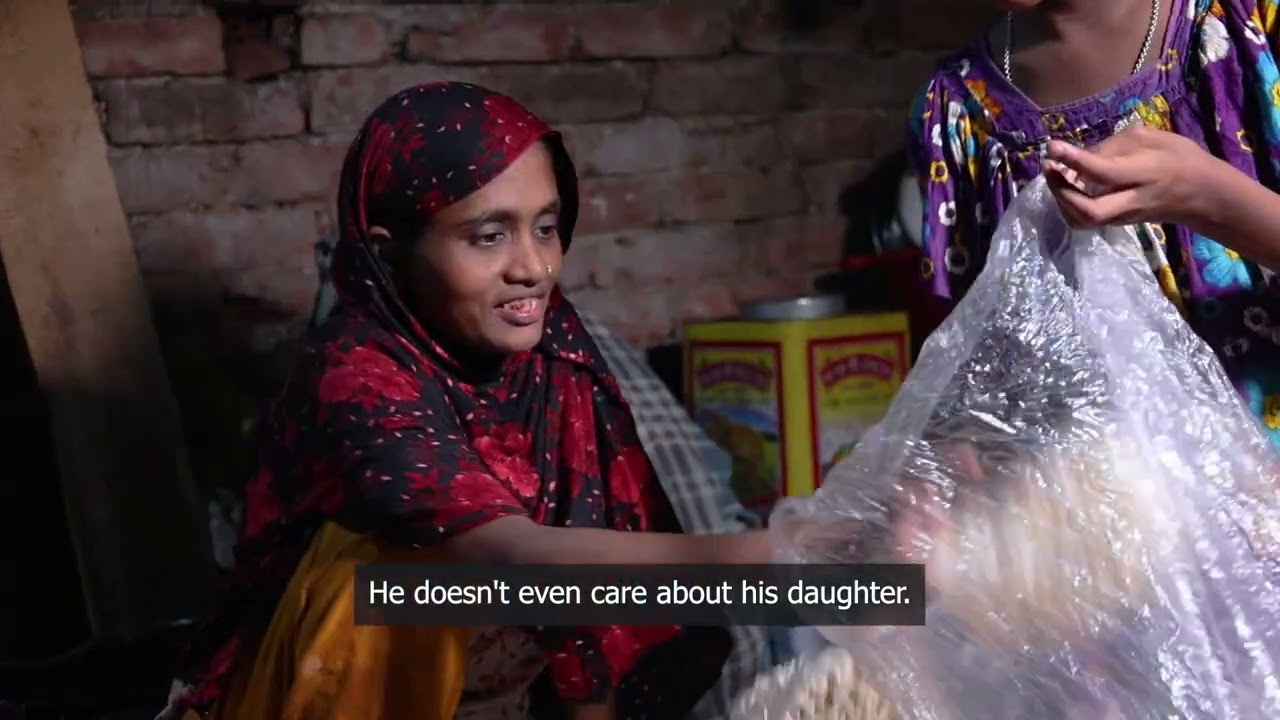
Climate change in Bangladesh is causing far more than physical destruction. As communities lose their ancestral homes to river erosion, cyclones, tidal surges, and salinity intrusion, they also experience deep non-economic losses such as the erosion of cultural identity, mental health impacts, community fragmentation, and the loss of their sense of belonging. This video highlights these often overlooked dimensions of climate change while showcasing the remarkable resilience of people who continue to adapt and rebuild their lives with determination.
In Barisal City, many climate-displaced families have taken shelter in informal settlements after being forced from their original homes. Living in overcrowded and vulnerable urban spaces, they face challenges linked to unsafe housing, poor sanitation, limited access to services, declining livelihoods, and loss of social networks.
Through the CCASE project, Christian Aid and AVAS supported these communities with climate-friendly WASH facilities, climate-smart agriculture solutions, income-generating opportunities, capacity-building training, and extensive awareness initiatives including community road shows.
Health support, legal support, and additional livelihood assistance were also integrated to ensure holistic recovery and improved well-being for displaced families. These combined interventions strengthened resilience, enhanced safety and dignity, and helped people regain stability despite the hardships of displacement.
The video is particularly relevant for donors, policymakers, climate advocates, Christian Aid teams across the globe, researchers, students, civil society networks, and anyone interested in climate justice, humanitarian action, and community-led adaptation.
Find out more at https://caid.org.uk
Информация по комментариям в разработке