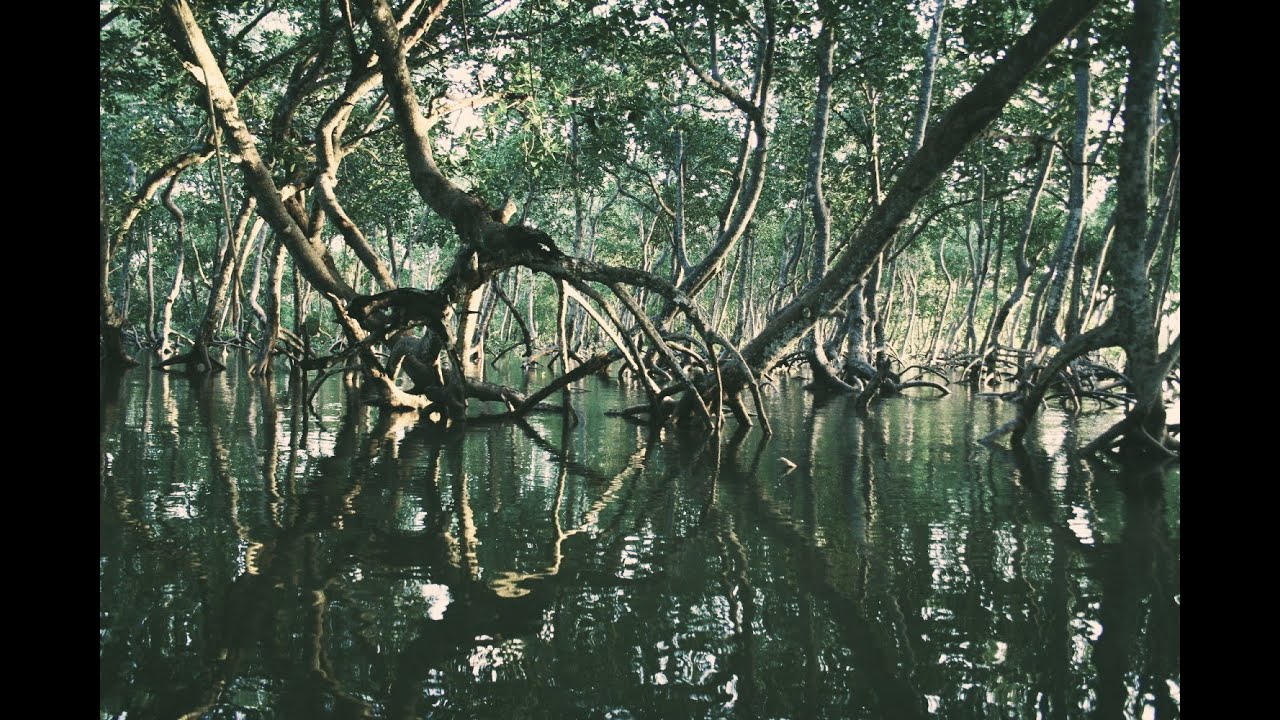
This documentary, produced by Oxford Scientific Films in 1970, presents an in-depth exploration of mangrove ecosystems. It highlights the biological diversity, ecological significance, and adaptive strategies of various species inhabiting these unique coastal environments. The film aims to increase public awareness and understanding of mangrove forests' vital role in maintaining coastal stability and supporting marine biodiversity.
Mangrove ecosystems are coastal habitats characterized by halophytic trees and shrubs adapted to saline conditions. These ecosystems are predominantly found in tropical and subtropical regions, playing a crucial role in coastal protection, carbon sequestration, and providing habitats for diverse flora and fauna. The documentary "Mangrove" offers a comprehensive look at these ecosystems, focusing on their ecological importance and the intricate relationships between species.
Materials and Methods: The documentary employs a range of cinematographic techniques to capture the complexities of mangrove ecosystems. Underwater filming, time-lapse sequences, and close-up shots provide viewers with a detailed and dynamic perspective. Field observations and expert commentary further enhance the documentary's scientific rigor. Interviews with leading ecologists and marine biologists provide additional insights into the ecological dynamics and conservation status of mangrove forests.
Results: The documentary reveals several key aspects of mangrove ecosystems:
Flora and Fauna: The film documents various plant species, including red mangroves (Rhizophora mangle), black mangroves (Avicennia germinans), and white mangroves (Laguncularia racemosa). It also highlights the diverse animal life, such as crabs, shrimp, mollusks, and a multitude of bird species that rely on mangroves for shelter and food. Among the fauna, particular attention is given to species like the mangrove snapper and the American crocodile, illustrating their dependence on the mangrove environment for survival.
Adaptations: The documentary illustrates the unique adaptations of mangrove species, such as aerial roots (pneumatophores), salt-excreting leaves, and viviparous seedlings that enable survival in challenging environments. These adaptations are crucial for coping with high salinity, tidal fluctuations, and low oxygen levels in the soil. The film captures the complexity of these adaptations through close-up shots and slow-motion sequences, providing a detailed view of how these mechanisms function.
Ecological Significance: Emphasizing the ecological importance of mangroves, the documentary showcases their role in stabilizing shorelines, reducing erosion, and acting as natural barriers against storm surges. Additionally, it highlights the carbon sequestration potential of mangroves, which helps mitigate climate change. Mangrove forests are depicted as critical nurseries for numerous marine species, providing a safe haven for juvenile fish and invertebrates. The film also touches on the importance of mangroves in nutrient cycling and their role in maintaining water quality in coastal areas.
Human Interaction: The documentary delves into the ways in which human populations interact with mangrove ecosystems. It presents traditional uses of mangrove resources, such as harvesting wood for construction and fuel, and gathering edible species. Interviews with local communities reveal the cultural and economic significance of mangroves, underscoring the need for sustainable management practices.
Conservation Challenges: The film addresses the threats facing mangrove ecosystems, including deforestation, coastal development, and pollution. It underscores the need for conservation efforts to protect these vital habitats. Case studies from different regions are presented, showing successful conservation initiatives and the challenges still faced by many mangrove forests. The documentary calls for increased scientific research, public awareness, and policy interventions to safeguard these ecosystems.
Discussion: Through its visual and narrative elements, "Mangrove" effectively conveys the significance of mangrove ecosystems. The documentary serves as an educational tool, raising awareness about the importance of preserving these habitats. It calls for concerted efforts from governments, conservation organizations, and local communities to implement sustainable practices and protect mangrove forests. The film also highlights the need for international cooperation in addressing the global threats to mangrove ecosystems and promoting their conservation.
The documentary serves as a valuable resource for scientists, educators, and conservationists in their efforts to promote mangrove conservation and sustainability. Its message remains relevant today, as mangrove ecosystems continue to face significant threats and require urgent conservation action.

Информация по комментариям в разработке