In scuba diving, balance is an often-overlooked skill that can make a world of difference to your experience underwater. For divers, the interplay between the quadriceps, hip flexors, ankle mobility, and calves plays a crucial role in maintaining stability, body positioning, and buoyancy control. These muscles, if properly conditioned and flexible, can help prevent cramps, improve finning efficiency, and provide more control while navigating the currents.
Episode 4 is all about exploring the physical requirements for balanced diving and how yoga can assist in building a strong foundation. In this episode, you'll discover how targeted yoga poses not only help stretch and strengthen the body but also promote mindfulness—a key to staying calm and in control beneath the surface.
The Importance of Lower Body Strength and Flexibility for Divers
When diving, a stable lower body keeps you streamlined and efficient in the water. This stability is heavily reliant on the quadriceps and hip flexors, which act as primary stabilizers for the legs. Whether you’re hovering in neutral buoyancy or kicking to move, these muscles are at work. A lack of flexibility or strength in these areas can throw off your balance, making it harder to control your buoyancy or move efficiently.
Calves also come into play by preventing cramps, particularly during long dives, while ankle mobility is essential for proper fin control. When your ankles are flexible, each kick requires less effort, and you’re able to move more smoothly, enhancing your overall diving experience.
Yoga Poses for a Balanced Diver
Incorporating yoga into your diving routine can help enhance lower body strength, flexibility, and balance. Here are some key poses covered in this episode that focus on these crucial areas:
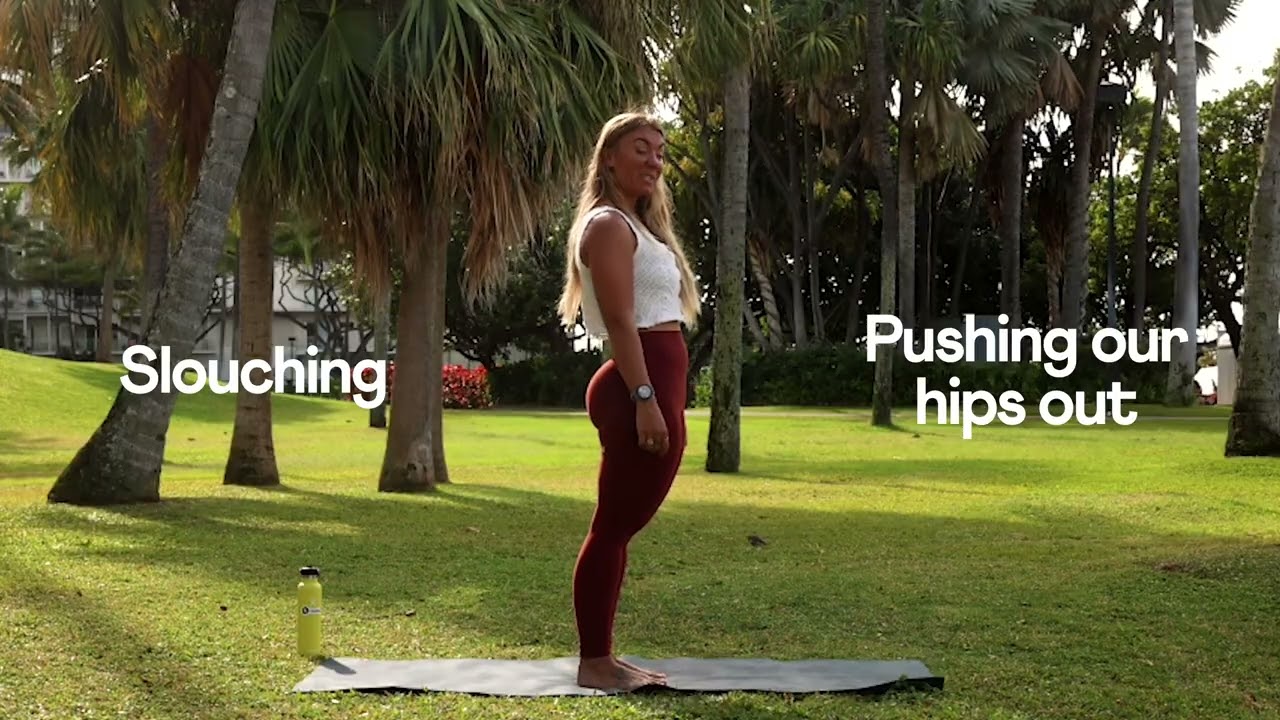
1. Mountain Pose (Tadasana): This foundational pose helps develop awareness of your body’s alignment and promotes core strength. By standing tall and engaging each muscle group, you create a strong sense of balance and mindfulness—skills that easily translate to underwater stability.
2. One-Leg Quad Stretch Variations: Stretching the quadriceps is vital for divers, and this pose is done with variations such as supine twists and hip openers to ensure the quads and hip flexors are both stretched and strengthened.
3. Calf Stretches (Standing or Sitting): These stretches are crucial for keeping the calves limber and preventing cramps during long dives. Whether performed standing or seated, the goal is to lengthen the muscles and improve flexibility.
4. Utthan Pristhasana (Low Lunge Quad Stretch Variation): This pose targets the hip flexors and quadriceps, creating space and flexibility in these key areas. With its low lunge base, it also opens the hips and strengthens the legs, helping divers maintain a balanced position underwater.
5. Supine Quad Stretch: Done lying down, this gentle stretch focuses on the quadriceps and is excellent for enhancing flexibility without straining the knees or hips.
Building a Strong Foundation
Whether you're new to yoga or an experienced practitioner, these exercises can benefit anyone looking to improve their control and efficiency underwater.
However, it’s important to approach these poses mindfully. As with any exercise, over stretching or performing them incorrectly can lead to injury. Listen to your body, move with intention, and stop if you feel any discomfort.
By creating a foundation of balance, flexibility, and awareness, you’ll set yourself up for more relaxed, efficient, and enjoyable dives—ready to navigate the ocean with ease.
#yoga #yogateacher #yogapractice #yogafordivers #themindfulmvmnt #divewithbuddy #yogaforsurfers #ocean #diving #scubadiving #pranayama #breathwork

Информация по комментариям в разработке