Support Thinking Critical at Ko-fi. Monthly subscriptions receive bonus content and early access to some channel content.
Ko-fi.com/thinkingcritical
Thank you for supporting the channel!
Thinking Critical Discord: / discord
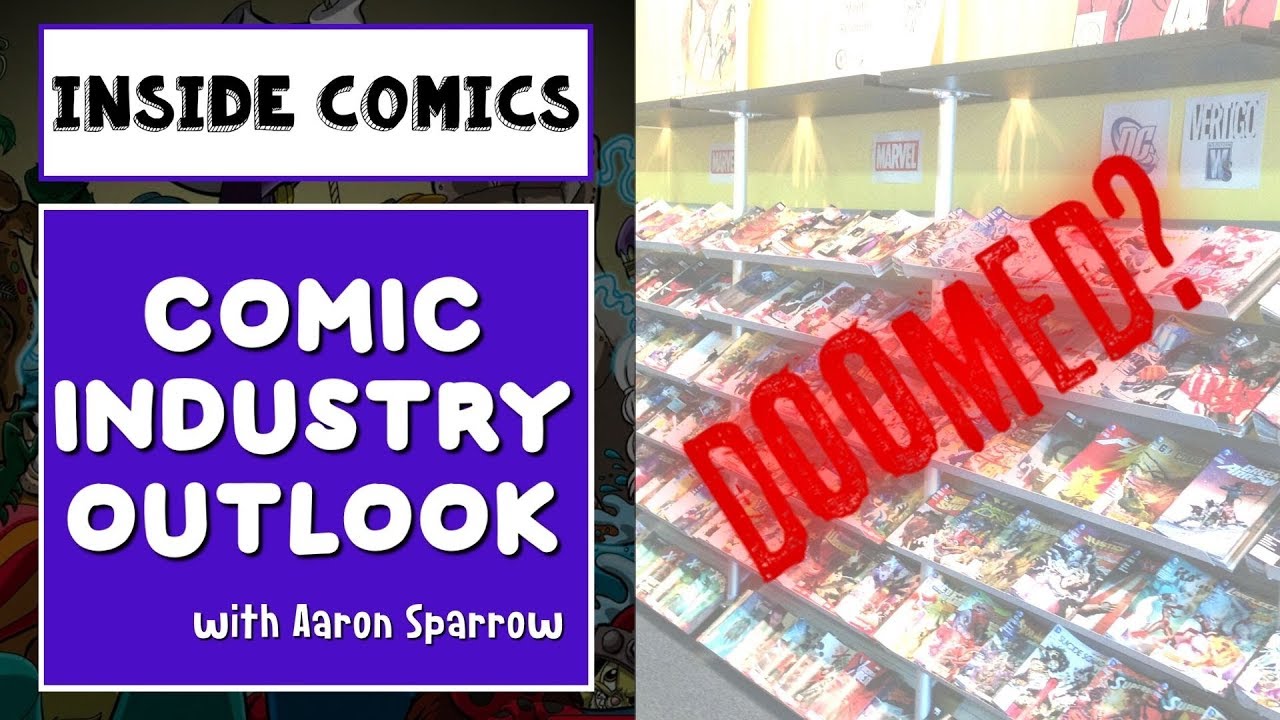
Are Marvel & DC Comics Really Close to Failing?
https://screenrant.com/marvel-dc-comi...
If you read the headlines, you might firmly believe that the comic book industry is in a state of total, imminent crisis. Back in 2017, a "Meet the Publishers" panel at San Diego Comic-Con kicked off a storm when the heads of DC Comics states an intention to "stop the collapse of the comic book industry." DC eventually insisted it was something of a misquote, but the sentiment created a very real sense that all is not well in the comic book world. At a time when comic book adaptations are bigger than ever... public interest in the actual comics seems to be waning.
Too many books aren't selling, and that's due to a variety of causes: constant relaunches, cycles of miniseries and first-issues, where retailers struggle to estimate just how many copies they need to actually have in stock in the first place. Worse still, industry figures have suggested that a solid 90% of stock that comes off the shelves has zero value as an 'archived' back issue. That's according to Phil Boyle of Coliseum of Comics, who spoke firsthand in an editorial for ICv2 of his own losses on issues going unsold in the first weeks:in which he gave a sense of just how bad things are getting.
In order to purchase a comic, a prospective reader has to go out of their way to find a local comic book retailer that happens to stock the book they're interested in. This kind of approach poses significant barriers to casual readers, who are thinking of dipping their toe into comics. What's more, pricing doesn't help; most comics sell for between $3.99 and $5.99 for a single issue. Assuming this potential reader actually goes to a comic book shop, they'll find themselves bombarded with options, and frankly able to afford only one or two of them.
To use an example, if a new reader wants to pick up a Spider-Man comic, which one should they go for? Amazing Spider-Man (which publishes bi-weekly, with three issues due to come out in March 2019 as a result), Spider-Man: Life Story, Marvel's Spider-Man: City At War, the Spider-Man: Far From Home Prelude, or even Spider-Man/Deadpool? And that's not even counting additional webhead-related titles, such as Venom, Spider-Gwen: Ghost Spider, Miles Morales: Spider-Man, or Superior Spider-Man.
The problems in the Direct Market are, realistically, being worsened by the publishers; they're taking short-term strategies that are designed to give a brief boost in monthly sales, at the expense of building an actual ongoing relationship with the readers. Sadly, retailers identify Marvel Comics as a particular problem. Just as in the '90s, many of Marvel's sales are driven by variant covers, often at an exaggerated price.
The challenge facing all comic book publishers is just how to respond to the current situation. DC, for example, has already chosen to reduce their line by somewhere between 10 and 15 percent in order to lessen the amount of content on the shelves at any one time; they're also looking closely at reducing the number of collected editions for the same reason, and considering adding material to print versions that wouldn't be available in a digital format. Both Marvel and DC are experimenting with different distribution models that avoid the Direct Market, with DC's Black Label initiative and Marvel's Scholastic deal.
DC Needs to "Reinvent What We're Doing Digitally," Says Publisher
https://www.hollywoodreporter.com/hea...
DC’s publishing arm spent the first half of the year in a transitionary period, laying off 3 percent of its workforce, closing the long-standing Vertigo imprint and taking Mad Magazine off newsstands as it transfers to a predominantly reprint publication. In a new interview, publishers Jim Lee and Dan DiDio identified remaining problem areas that they expect to address moving forward.
Talking to comics industry analysis site ICv2, DC publisher Lee talks about the difficulties surrounding DC’s digital comic book sales, noting that they have "been pretty flat in recent years."
He explains, "a lot [of the audience] is moving to subscription, and that is having a downward pressure on transactional sales. But I think it's discouraging in general because everyone talks about digital being the future. If there's anything that should continue to grow year-in, year-out, it should be that channel. The fact that it's kind of plateaued and we've hit a wall speaks to a lot of different things. We need to reinvent what we're doing digitally."
#comicsales #comicbooks #comicindustry
Contact Thinking Critical:
Twitter: / wes_from_tc
Email [email protected]

Информация по комментариям в разработке