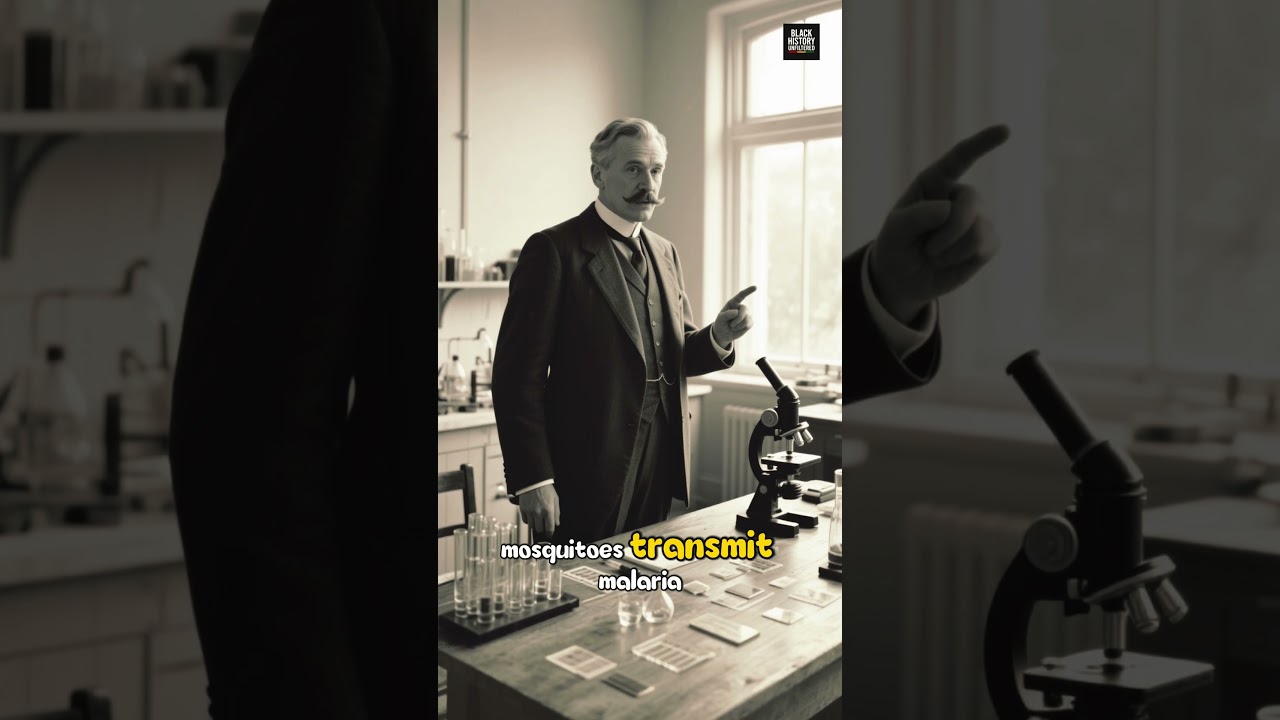
In 1856, British explorer Sir Richard Burton documented something remarkable in Somalia: local nomads told him that mosquitoes transmitted malaria—medical knowledge passed down through generations. Burton's response in his book "First Footsteps in East Africa" was to dismiss it as "superstition" that "probably arises from the fact that mosquitoes and fevers become formidable about the same time." He couldn't accept that Africans possessed medical knowledge Europeans lacked. Forty-one years later, in 1897, British medical officer Ronald Ross "discovered" that malaria was transmitted by mosquitoes while working in India. In 1902, Ross was awarded the Nobel Prize for Physiology or Medicine for this finding, celebrated globally as a revolutionary medical breakthrough. But as documented by the New England Journal of Medicine in 1993: "Ironically, in 1854, 44 years before the transmission of malaria by mosquitoes was proved, the famed British explorer Sir Richard Burton recorded, but dismissed, the Somali belief that mosquitoes caused malaria." This reveals a devastating pattern of colonial knowledge theft: African indigenous wisdom dismissed as primitive superstition, only to be "rediscovered" decades later and celebrated as European genius. From agricultural innovations to astronomical observations to medical treatments, African knowledge has been systematically erased from history and repackaged under European names. This isn't just about one Nobel Prize—it's about centuries of intellectual theft that robbed Africa of credit for contributions that shaped modern civilization.
Follow Black History Unfiltered for the stories they tried to bury.
#BlackHistory, #SomaliHistory, #NobelPrize, #KnowledgeTheft, #ColonialHistory, #AfricanKnowledge, #UntoldHistory, #RichardBurton, #RonaldRoss, #Malaria, #IndigenousKnowledge, #HistoricalTruth, #Viral, #Trending, #AfricanWisdom, #Reels, #TrendingNow, #MedicalHistory, #EducationalContent, #HiddenHistory
Nobel Prize African knowledge, Richard Burton Somalia 1856, Ronald Ross malaria discovery, Somali medical knowledge, colonial knowledge theft, indigenous African medicine, First Footsteps in East Africa, mosquito malaria transmission, New England Journal Medicine, African intellectual property, knowledge erasure, colonial science, European discovery myth, stolen African innovations, medical history, untold Black history, indigenous knowledge systems, intellectual colonialism

Информация по комментариям в разработке