The Chernobyl disaster, which occurred on April 26, 1986, is one of the darkest chapters in modern history. It was not just a technological catastrophe, but also a case of government secrecy, mismanagement, and negligence. The explosion at Reactor 4 of the Chernobyl Nuclear Power Plant in the Soviet Union (now Ukraine) released a massive amount of radioactive material into the atmosphere, spreading across Europe.
Here are some key dark elements of the Chernobyl disaster:
1. Design Flaws and Human Error
The Chernobyl reactor had significant design flaws, especially in the RBMK reactor used at the plant. Its safety systems were insufficient, and during a safety test, operators disabled critical systems, leading to the explosion. The disaster was partly due to poor training and the pressure placed on workers to perform experiments that they were not adequately prepared for.
2. Government Secrecy
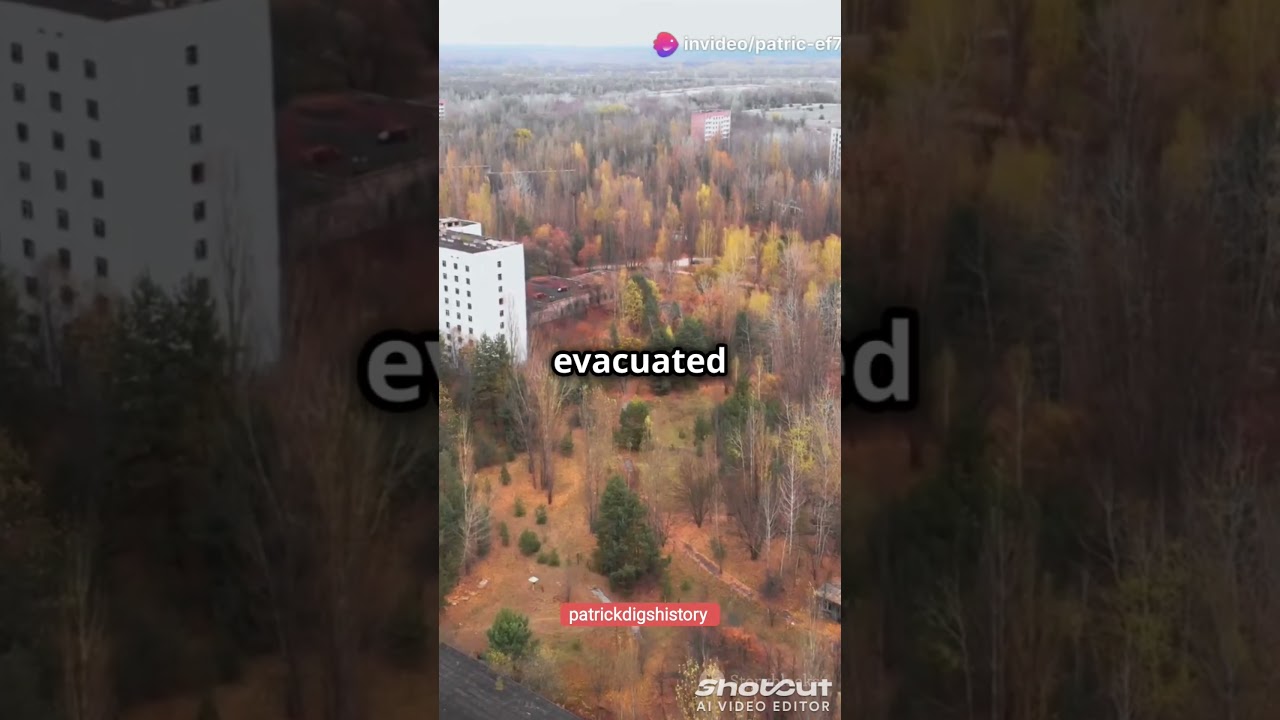
In the immediate aftermath of the explosion, Soviet authorities tried to cover up the scale of the disaster. They delayed evacuations and did not initially inform the public or even their own government officials of the severity. For example, the nearby city of Pripyat, home to plant workers and their families, was not evacuated until 36 hours after the explosion, exposing tens of thousands to dangerous levels of radiation.
3. Misinformation
Soviet officials downplayed the extent of the catastrophe both domestically and internationally. When Sweden detected unusually high radiation levels two days after the explosion, the Soviet Union was forced to admit that an accident had occurred. However, they continued to minimize the scale and consequences of the event.
4. Environmental Impact
The explosion released at least 400 times more radiation than the atomic bomb dropped on Hiroshima. The radioactive fallout spread across large parts of Europe, contaminating land and water for decades. Forests near Chernobyl, known as the "Red Forest," turned red and died due to the intense radiation. To this day, the Exclusion Zone remains one of the most contaminated areas in the world.
5. Health Consequences
The radiation released from Chernobyl has caused long-term health effects. The most immediate impact was on the plant workers and first responders, known as "liquidators." Many of them were not informed of the radiation risks and were inadequately protected. Over 30 of these workers died within months of acute radiation syndrome. In the years following, thousands more have suffered from radiation-related illnesses, including cancer, particularly thyroid cancer among children exposed to the fallout.
6. Political Fallout
The Chernobyl disaster played a significant role in the eventual dissolution of the Soviet Union. It exposed the failings of the Soviet government and its inability to protect its citizens or address large-scale crises effectively. Mikhail Gorbachev, the then Soviet leader, later acknowledged that Chernobyl was a turning point that accelerated the collapse of the USSR, as it highlighted the state's incompetence and the lack of transparency.
7. Long-Term Legacy
The legacy of Chernobyl continues to haunt the region. The area surrounding the plant, known as the Chernobyl Exclusion Zone, remains largely uninhabitable. Despite this, some people have returned to live in the zone, and the wildlife has surprisingly flourished in the absence of humans. Yet, radiation levels remain dangerous in certain areas, and the full environmental and health impacts may not be known for centuries.
8. "Liquidators" and Sacrifices
The Soviet government enlisted over 600,000 "liquidators" to clean up the aftermath of the disaster. These individuals worked in extremely dangerous conditions, often with little protective gear, to remove radioactive debris, build the sarcophagus over the reactor, and contain the contamination. Many of them suffered severe health issues or died prematurely due to their exposure.
Chernobyl represents not only a technological and environmental disaster but also a failure of governance, transparency, and human responsibility. The lessons from Chernobyl continue to shape nuclear safety regulations worldwide, but the human and environmental cost of the disaster remains a painful reminder of the consequences of negligence and secrecy.

Информация по комментариям в разработке