Pericle Fazzini
(Grottammare, Ascoli Piceno, 1913 – Roma, 1987
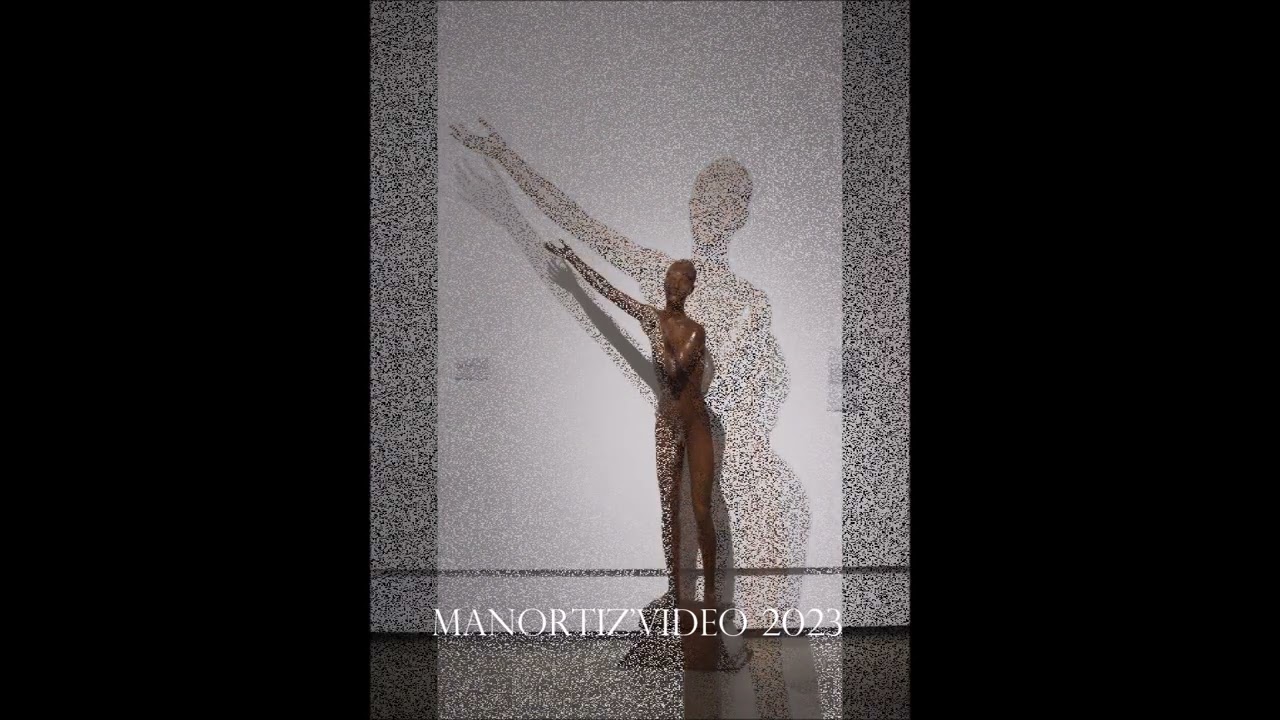
Giovane che declama,Young Man Declaiming, 1937-38
legno di noce, 158x87x29,5 cm
Collezione eredi Fazzini
Pericle Fazzini, the sculptor of the wind on display in Rome
Pericle Fazzini (4 May 1913 – 4 December 1987) was an Italian painter and sculptor. He is notable for works such as La Resurrezione in the Paul VI Audience Hall.
One hundred works by Pericle Fazzini are on display from 25 March to 2 July 2023 in Rome at the Villa Borghese Orangery, now home to the Carlo Bilotti Museum.
The unmissable exhibition Pericle Fazzini, the sculptor of the windedited by Alessandro Masi, with Roberta Serra and Chiara Barbato, and contributions in the catalog by Bruno Racine, Claudio Strinati and Salvatore Italia.
The exhibition, promoted by Roma Culture, Capitoline Superintendency for Cultural Heritage and from “Pericle Fazzini” Foundation and Historical Archivepresents a selection of numerous works by the artist from the Marche region among sculptures, sketches, drawings and graphics.
Pericle Fazzini, the sculptor of the wind
The works of Pericle Fazzini, “the sculptor of the wind”, as the great poet defined him Joseph Ungarettiare finally back on display in Rome after thirty years, on the occasion of 110th anniversary of his birth. The exhibition, curated by the art historian Alessandro Masi, in collaboration with Roberta Serra and Chiara Barbato, traces the entire creative life of the master from the Marches, through small and large sculptures, among woods, bronzes and plaster casts, drawings and graphic works: from the first tests of the Thirties and Forties such as “Woman in the storm” (1932) and “Sibilla” (1947) up to the original sketches of the “Resurrection” of the Pier Luigi Nervi room in Vatican, the last construction site of a single artist after Michelangelo’s Sistine Chapel. Of particular interest are the “Portrait of Anita” (1933), the “Young Man Declaiming” (1937-38), the “Portrait of Sibilla Aleramo” (1947), the “Man Who Screams” (1949-50) and the “Prophet” (1949), the latter rarely exhibited.
The intense dialogue between Faith and Art
The career of the talented artist, one of the most popular authors of the “Roman School”, born in Grottammare in the Marche region, in the province of Ascoli Piceno, on May 4, 1913 and died in Rome on December 4, 1987, is one of the highest examples of sacred art of the twentieth century. His yearning for beauty as the unveiling of Divine marks a turning point in contemporary plastic research by translating the sacred text of the Scriptures into a dialogue form between Faith and Art. Son of a poor Piceno carpenter, Pericle Fazzini got to know his fame thanks to the poet Mario Rivosecchi who introduced him to the circles of the Rome of the Mafai, Scipione, Mazzacurati, Ziveri and the gallery owner Anna Laetitia Pecci Blunt (Galleria La Cometa), who marked a turning point in art in an expressionist and anti-rhetorical sense against any regime and celebratory art form of fascism.
Pericle Fazzini on display at the MoMA in New York
Preserved in major museums around the worldPericle Fazzini’s sculptures find space in important private and public collections such as the Moma of New Yorkthe National Gallery of Modern Art in Romethe Guggenheim Collection in Venice, the Center Pompidou in Paris and the Momat in Tokyo. A rich, detailed and informed catalogue, published by De Luca Editori d’Arte, contains texts by Alessandro Masi, Bruno Racine, Claudio Strinati, Salvatore Italia, Roberta Serra and Chiara Barbato. Linked to the exhibition and soon to be published, a second volume dedicated to the writings of Pericle Fazzini will be edited by the historian of the Italian language Giulio Ferroni.
https://news.italy24.press/art/423519...

Информация по комментариям в разработке