The Art of Traditional Chinese Umbrella Making: A Timeless Craft
Ancient Beginnings: Roots in Early China
The history of traditional Chinese umbrella making dates back more than 2,000 years. The earliest umbrellas appeared during the Zhou Dynasty (1046–256 BCE), crafted from bamboo and covered with oiled paper to make them waterproof. These umbrellas were initially used by aristocrats and government officials as symbols of power and respect.
During the Han Dynasty (206 BCE – 220 CE), bamboo umbrellas became even more elaborate, featuring intricate designs and symbolic artwork, such as dragons and nature motifs. This era marked the beginning of their cultural significance in China.
Symbolism in Chinese Culture
Chinese umbrellas were not just tools for protection from rain or sun—they carried deep symbolic meanings. In Chinese tradition, an umbrella represents protection and balance, believed to generate Yang energy, which shields the owner from negative influences. They were also used in weddings as symbols of prosperity and protection and played an essential role in religious ceremonies and imperial processions.
Crafting the Traditional Umbrella: A Fusion of Art and Skill
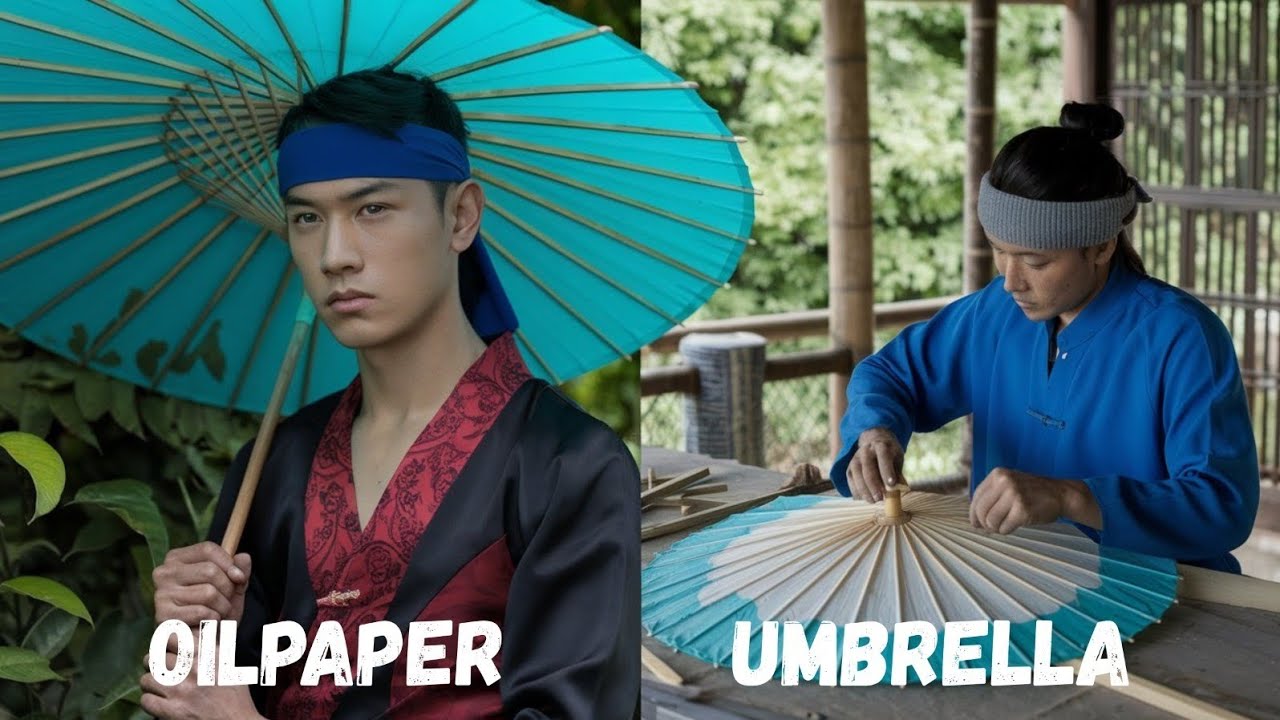
Making a traditional Chinese umbrella requires great craftsmanship and patience, following a detailed process:
Preparing the Bamboo – Selecting, drying, and cutting bamboo stalks to precise lengths.
Shaping the Frame – Heating and bending the bamboo to form the umbrella's structure.
Creating the Canopy – Handcrafting the paper covering and coating it with protective oil.
Final Assembly – Binding the frame with the canopy using delicate strings and adding decorative details like tassels and hand-painted designs.
At Mytikraft, we celebrate and share the beauty of traditional craftsmanship, highlighting timeless arts such as Chinese umbrella making.
Expansion Across Asia and the World
With the rise of trade along the Silk Road, the craft of umbrella making spread to Japan, Korea, and Thailand, where each culture developed its unique style. In Japan, it became known as "Wagasa," often used in tea ceremonies, while in Thailand, the town of "Borsang" became famous for its colorful, hand-painted umbrellas.
Challenges in the Modern Era and Preservation of Tradition
With industrialization and the rise of modern plastic and metal umbrellas, traditional craftsmanship declined. However, dedicated artisans—like Lao Wei in our story—continue to keep the tradition alive. Workshops and exhibitions now attract tourists and cultural enthusiasts, preserving the artistry of handmade umbrellas.
At Mytikraft, we support these artisans by sharing their stories and showcasing their incredible work to a global audience.
A Legacy That Endures
Today, traditional Chinese umbrellas remain a symbol of elegance and cultural heritage. They are used in festivals, performances like Peking Opera, and traditional dances. Despite the passage of time, these umbrellas continue to tell the stories of the past, carrying an art form that refuses to fade.
Subscribe Mytikraft to discover more timeless crafts and cultural treasures!
#TraditionalCraftsmanship
#ChineseUmbrella
#HandmadeHeritage
#TimelessArt
#fyp
#foryoupage
#trending

Информация по комментариям в разработке