Logo video2dn
  • Сохранить видео с ютуба
  • Категории
    • Музыка
    • Кино и Анимация
    • Автомобили
    • Животные
    • Спорт
    • Путешествия
    • Игры
    • Люди и Блоги
    • Юмор
    • Развлечения
    • Новости и Политика
    • Howto и Стиль
    • Diy своими руками
    • Образование
    • Наука и Технологии
    • Некоммерческие Организации
  • О сайте

Скачать или смотреть ‘Wasabi Receptor’ detects wide variety of toxic chemicals

  • UC San Francisco (UCSF)
  • 2020-07-21
  • 1555
‘Wasabi Receptor’ detects wide variety of toxic chemicals
  • ok logo

Скачать ‘Wasabi Receptor’ detects wide variety of toxic chemicals бесплатно в качестве 4к (2к / 1080p)

У нас вы можете скачать бесплатно ‘Wasabi Receptor’ detects wide variety of toxic chemicals или посмотреть видео с ютуба в максимальном доступном качестве.

Для скачивания выберите вариант из формы ниже:

  • Информация по загрузке:

Cкачать музыку ‘Wasabi Receptor’ detects wide variety of toxic chemicals бесплатно в формате MP3:

Если иконки загрузки не отобразились, ПОЖАЛУЙСТА, НАЖМИТЕ ЗДЕСЬ или обновите страницу
Если у вас возникли трудности с загрузкой, пожалуйста, свяжитесь с нами по контактам, указанным в нижней части страницы.
Спасибо за использование сервиса video2dn.com

Описание к видео ‘Wasabi Receptor’ detects wide variety of toxic chemicals

Acrid smoke and fresh-chopped onions don’t have much in common — other than evoking an eye-watering urge to run to another room. Remarkably, the irritant chemicals in both smoke and onions — as well as garlic, horseradish and wasabi, and an assortment of potent toxins such as formaldehyde — all trigger this protective response by activating a single sensory molecule in the nerve cells of our mucous membranes.


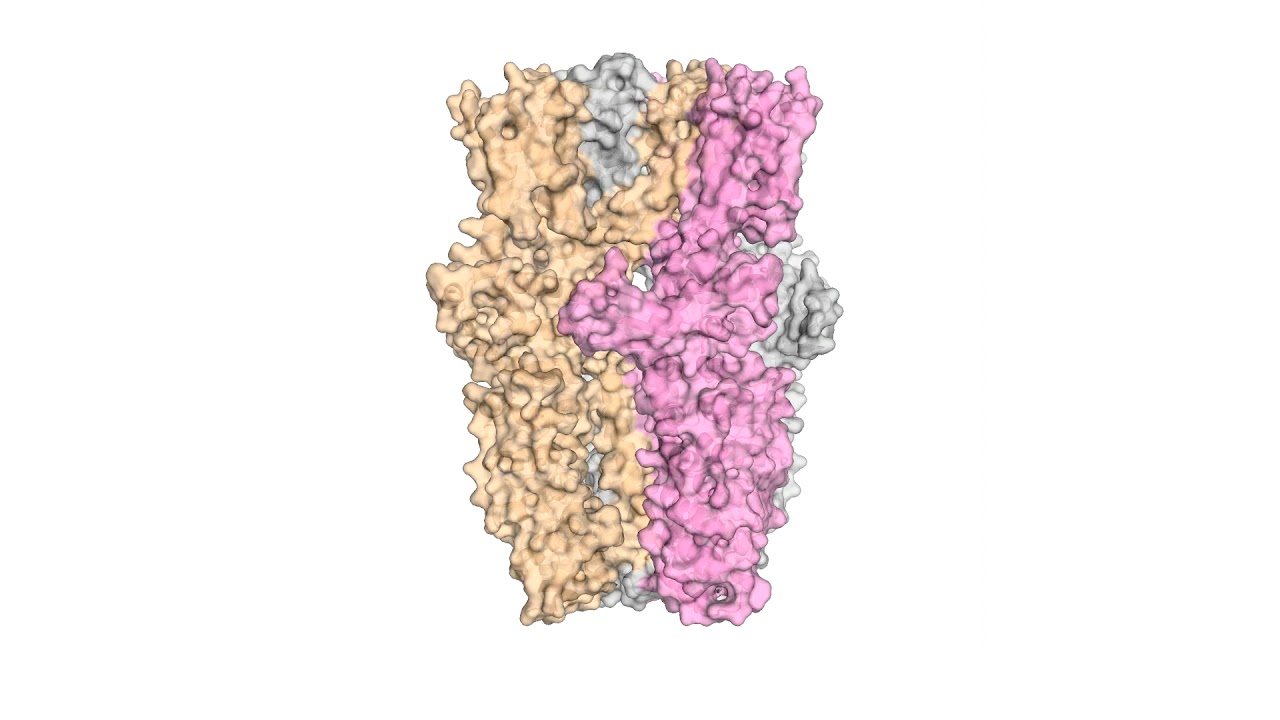
UC San Francisco researchers David Julius, PhD, and Yifan Cheng, PhD, described the atomic structure — back in 2015, using cutting-edge cryo-electron microscopy (cryoEM) techniques to which Cheng and UCSF colleagues have made important contributions. But only now have they determined how this one molecule manages to sense such a diverse variety of dangerous chemicals — and do so with enough sensitivity to let you flee before suffering too much tissue damage.


In a new study published in Nature, Julius and Cheng’s research team showed that TRPA1 molecules on sensory nerves sense these reactive chemicals — broadly called electrophiles — when they bind to two sites on the sensor molecule, physically flipping a molecular lever in the process, which allows sodium and calcium to flow into and activate the nerve cell.


This mechanism is unlike anything the scientists had seen before. Most molecular sensors of this kind have a precisely shaped “pocket” that recognizes the shape of the specific molecule they are sensitive to, like a lock and key. But TRPA1 manages to recognize many differently shaped irritant chemicals by forgoing this approach, instead testing for any chemical that can make the kind of reactive bond that could ultimately cause damage to sensitive tissues. In addition, the fact that two different electrophile binding sites need to be triggered to activate TRPA1 makes sure the sensor’s potent irritant response is only activated by real threats.


“We think this is the protein's way of splitting the difference between being able to recognize many different chemical irritants, but also making sure you maintain sufficient sensitivity so that you don’t walk into a cloud of forlmaldehyde," said Julius, the Morris Herzstein Chair in Molecular Biology and Medicine and chair of the Department of Physiology at UCSF, who was recently awarded the prestigious Breakthrough Prize and Kavli Prize for his work understanding the molecular mechanisms of pain.


The study represented a collaboration between John King, a graduate student in the Julius lab, and Jianhua Zhao, PhD, a postdoctoral fellow of the Cheng lab. The researchers first imaged TRPA1 at nearlyatomic resolution in multiple stages of being activated by several different electrophilic molecules — something that would have been unthinkable only a few years ago without advances in cryoEM technology spearheaded by Cheng’s group in collaboration with the UCSF lab of David Agard, PhD.


Based on these images and the Julius lab’s expertise in ion channel physiology, the researchers were able to make and test predictions about how TRPA1 works.


“What makes this paper beautiful,” Julius said, “was the close collaboration between Jianhua and John, which allowed us to reveal multiple structural portraits of TRPA1 in different phases of its activity, then modify the protein in the lab to test our ideas about its function.”


“I think this represents the future of structural biology,” added Cheng, a professor in the Department of Biochemistry and Biophysics and Howard Hughes Medical Institute investigator. “The days of just getting one structure and publishing a paper are over. Now we have the technology to tell complex, interesting stories about the molecular machines that make our cells function.”


In addition to responding to environmental irritants and toxins, TRPA1 is also thought to play a role in internal aches and pains — from certain types of itch to the joint pain of rheumatoid arthritis. Certain forms of chemotherapy are also known to trigger an overreaction by TRPA1 sensors in the bladder, leading to serious chronic pain that can make patients abandon the treatment.


The “wasabi receptor” (as TRPA1 is sometimes known) and related molecules are considered a top targetfor the development of new pain drugs capable of stifling these sensations at their source — without the dangerous side effects of opioids and other common analgesics.Since airway inflammation is often triggered by environmental irritants such as smoke, drugs targeting TRPA1 could also find roles in reducing the effects of asthma and chronic obstructive pulmonary disease, the authors said.
Комментарии

Информация по комментариям в разработке

Похожие видео

  • Альфред Кох – Путин 1990-х, бандиты, НТВ, Навальный / вДудь
    Альфред Кох – Путин 1990-х, бандиты, НТВ, Навальный / вДудь
    14 часов назад
  • BIOESSAYS: How the TRPA1 receptor transmits painful stimuli
    BIOESSAYS: How the TRPA1 receptor transmits painful stimuli
    10 лет назад
  • Фильм Алексея Семихатова «ГРАВИТАЦИЯ»
    Фильм Алексея Семихатова «ГРАВИТАЦИЯ»
    9 часов назад
  • НОВАЯ НОРМА ДАВЛЕНИЯ 2026 году! Это спасет вам жизнь!
    НОВАЯ НОРМА ДАВЛЕНИЯ 2026 году! Это спасет вам жизнь!
    8 часов назад
  • The Truth About Wasabi - Speaking of Chemistry
    The Truth About Wasabi - Speaking of Chemistry
    9 лет назад
  • Peptide modulators of TRPA1 receptor
    Peptide modulators of TRPA1 receptor
    8 лет назад
  • Арестович: 4 года войны - провалы и достижения.
    Арестович: 4 года войны - провалы и достижения.
    5 часов назад
  • Революция в мире искусственных хрусталиков? – ЭТОТ МЕТОД позволяет получить зрение без последствий
    Революция в мире искусственных хрусталиков? – ЭТОТ МЕТОД позволяет получить зрение без последствий
    3 дня назад
  • Темнее чем Vantablack - поглощает 99.9923% света
    Темнее чем Vantablack - поглощает 99.9923% света
    7 лет назад
  • 2020 Neuroscience Kavli Prize Interview with David Julius and Ardem Patapoutian
    2020 Neuroscience Kavli Prize Interview with David Julius and Ardem Patapoutian
    3 года назад
  • ПСЖ – Монако | Лига чемпионов. Обзор ответного стыкового матча
    ПСЖ – Монако | Лига чемпионов. Обзор ответного стыкового матча
    2 часа назад
  • Nobel Prize lecture: David Julius, Nobel Prize in Physiology or Medicine 2021
    Nobel Prize lecture: David Julius, Nobel Prize in Physiology or Medicine 2021
    4 года назад
  • Процедура посева в четырех квадрантах: как правильно засеять чашку Петри для получения изолирован...
    Процедура посева в четырех квадрантах: как правильно засеять чашку Петри для получения изолирован...
    4 года назад
  • 🤯 Bombshell study reveals toxic chemicals in US oats
    🤯 Bombshell study reveals toxic chemicals in US oats
    1 год назад
  • Can toxic chemicals in your clothing make you sick?
    Can toxic chemicals in your clothing make you sick?
    1 год назад
  • ДЕТИ ПУТИНА: как живут, отдыхают и где они прячутся
    ДЕТИ ПУТИНА: как живут, отдыхают и где они прячутся
    17 часов назад
  • TRP Receptors and Bladder Sensation - Lori Birder - ICS 2016 Tokyo
    TRP Receptors and Bladder Sensation - Lori Birder - ICS 2016 Tokyo
    9 лет назад
  • Способ увидеть невидимое: как создают суперлинзы из оптических метаматериалов
    Способ увидеть невидимое: как создают суперлинзы из оптических метаматериалов
    10 дней назад
  • ASCB Celldance 2014-Cytotoxic T-Cells on Patrol-Alex Ritter HD
    ASCB Celldance 2014-Cytotoxic T-Cells on Patrol-Alex Ritter HD
    9 лет назад
  • Шульман о делах против детей. Билл Гейтс признался в изменах с россиянками. Удары ВСУ по России
    Шульман о делах против детей. Билл Гейтс признался в изменах с россиянками. Удары ВСУ по России
    Трансляция закончилась 7 часов назад
  • О нас
  • Контакты
  • Отказ от ответственности - Disclaimer
  • Условия использования сайта - TOS
  • Политика конфиденциальности

video2dn Copyright © 2023 - 2025

Контакты для правообладателей video2contact@gmail.com