Logo video2dn
  • Сохранить видео с ютуба
  • Категории
    • Музыка
    • Кино и Анимация
    • Автомобили
    • Животные
    • Спорт
    • Путешествия
    • Игры
    • Люди и Блоги
    • Юмор
    • Развлечения
    • Новости и Политика
    • Howto и Стиль
    • Diy своими руками
    • Образование
    • Наука и Технологии
    • Некоммерческие Организации
  • О сайте

Скачать или смотреть N.1 "The Moral Reading" (vs. Originalism?)

  • Steven Kelts
  • 2020-12-04
  • 583
N.1 "The Moral Reading" (vs. Originalism?)
  • ok logo

Скачать N.1 "The Moral Reading" (vs. Originalism?) бесплатно в качестве 4к (2к / 1080p)

У нас вы можете скачать бесплатно N.1 "The Moral Reading" (vs. Originalism?) или посмотреть видео с ютуба в максимальном доступном качестве.

Для скачивания выберите вариант из формы ниже:

  • Информация по загрузке:

Cкачать музыку N.1 "The Moral Reading" (vs. Originalism?) бесплатно в формате MP3:

Если иконки загрузки не отобразились, ПОЖАЛУЙСТА, НАЖМИТЕ ЗДЕСЬ или обновите страницу
Если у вас возникли трудности с загрузкой, пожалуйста, свяжитесь с нами по контактам, указанным в нижней части страницы.
Спасибо за использование сервиса video2dn.com

Описание к видео N.1 "The Moral Reading" (vs. Originalism?)

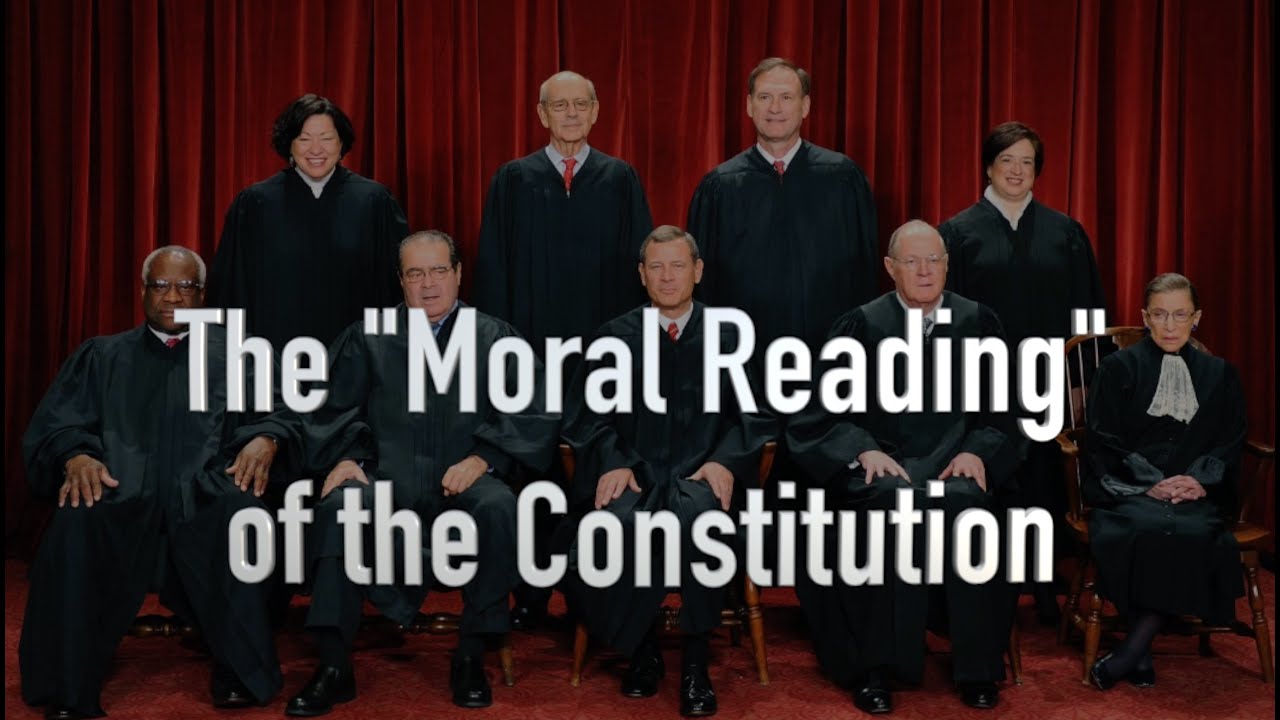
This video introduces students to Ronald Dworkin's idea of the "Moral Reading" of the Constitution. The video uses a few graphic techniques to: 1) Ask a guiding "reading" question, 2) outline the lecture as a whole, 3) provide consistent cues about the concepts being analyzed, and 4) perhaps most importantly, show the viewers "how" their professor extracts a particular meaning from a quote.

This last is perhaps the biggest mystery for students of political theory, esp. those with non-elite educational backgrounds, or from familial/social backgrounds where learning is implicitly tied to authority structures. They think their job is to learn "what" their teacher says, so they listen to their professors for conclusions and "main points." Their professor is the authority on the topic; they are supposed to passively learn what he/she knows. Research suggests that when these students are asked to insert themselves into a scholarly conversation, or show "how" a conclusion is reached (and esp., to disagree with the conclusion reached by the professor), they are at a distinct disadvantage. By showing them precisely "how" to take a quote and extract key concepts from it, we start to level this playing field.

One big complaint about student writing is that the "evidence" quoted doesn't match the argument. As a professor, you've seen it. A student will make a claim about X, give a quote that is instead about Y, and then follow up with a statement about Z. You can see that they are "trying" to express something connected about the readings, but they aren't "doing" it. Why not? Let me tell you a little secret: they're as mystified as you are. They are doing precisely what they "saw" you do in lecture... talk about the text, quote stuff, talk about more stuff from the text. So when they get a comment from you about the lack of connection between claim and evidence, they're at a loss. And they'll do the same on the next paper. If you don't show them explicitly that the claims you're making are in the keywords/concepts of the text you quote, who will? In this video, you'll see that you can use visual cues to indicate the keywords you're analyzing, explicitly linking them to the argument you're making. It then becomes much easier for them to do the same.

Комментарии

Информация по комментариям в разработке

Похожие видео

  • О нас
  • Контакты
  • Отказ от ответственности - Disclaimer
  • Условия использования сайта - TOS
  • Политика конфиденциальности

video2dn Copyright © 2023 - 2025

Контакты для правообладателей [email protected]