Piedmont (or Piemonte in Italian) is a beautiful region located in the northwestern part of Italy, bordered by Switzerland and France. Known for its stunning landscapes, rich history, and incredible food and wine, it offers a lot to explore. Here’s a guide to some key aspects of exploring Piedmont:
1. Main Cities
Turin (Torino): The capital city of Piedmont, famous for its baroque architecture, museums, and royal history. Some highlights include:
Palazzo Reale: The former residence of the Savoy royal family.
Egyptian Museum: One of the most significant collections of Egyptian artifacts outside of Cairo.
Mole Antonelliana: A symbol of the city, home to the National Museum of Cinema.
Alba: Known for its truffles, especially the famous white truffles of Alba, and is also a hub for fine wines, including Barolo.
Asti: Known for its sparkling wines, especially Asti Spumante, and its medieval architecture.
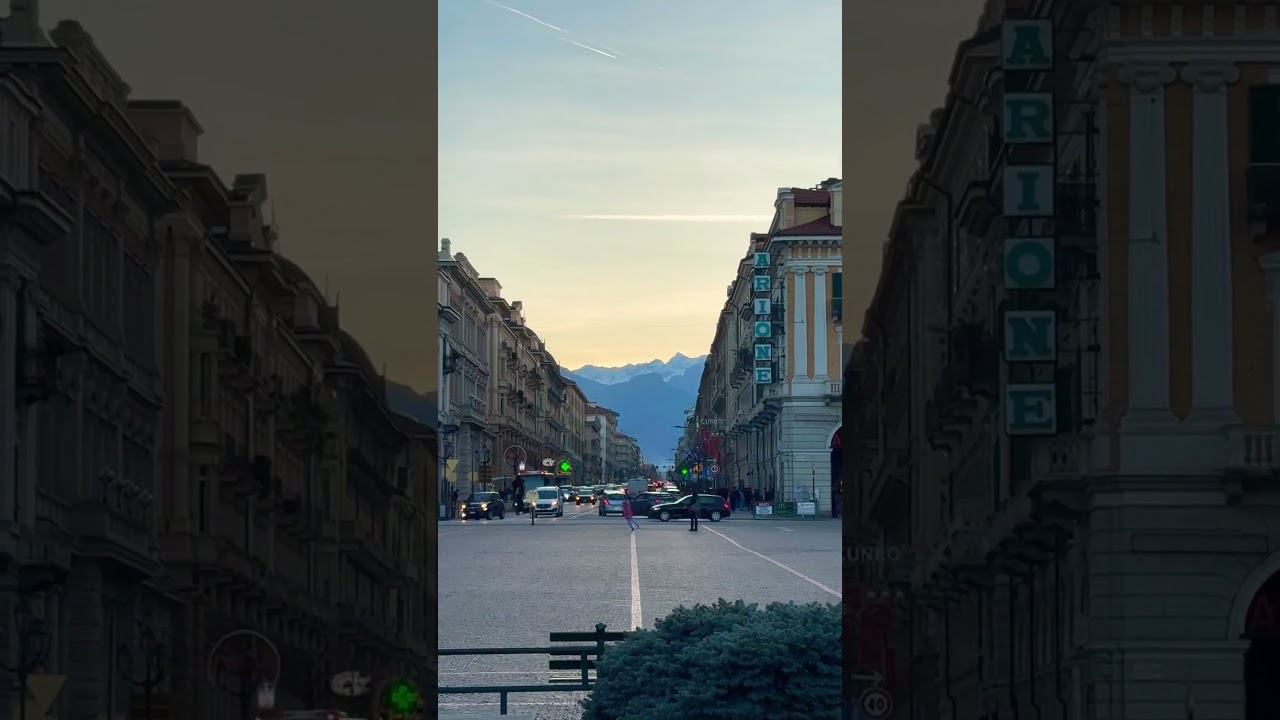
Cuneo: A beautiful city with French influences, nestled between the Alps and vineyards.
2. Wine Country
Piedmont is one of the top wine-producing regions in Italy. Some of the most prestigious wines in the world come from here:
Barolo and Barbaresco: Made from the Nebbiolo grape, these are two of Italy’s most celebrated wines.
Barbera d'Asti: A versatile, easy-drinking wine.
Moscato d'Asti: A sweet, sparkling wine, often served with dessert.
The Langhe, Roero, and Monferrato hills are UNESCO World Heritage sites due to their historical winemaking traditions and picturesque landscapes.
3. Culinary Highlights
White Truffles: The town of Alba is especially known for its truffles. The Alba Truffle Fair (Fiera del Tartufo) takes place each fall.
Cheeses: Piedmont produces exceptional cheeses, including Toma and Castelmagno.
Agnolotti: A type of stuffed pasta, traditionally filled with roasted meat.
Bagna Cauda: A warm dip made from garlic, anchovies, and olive oil, often served with vegetables.
4. Natural Attractions
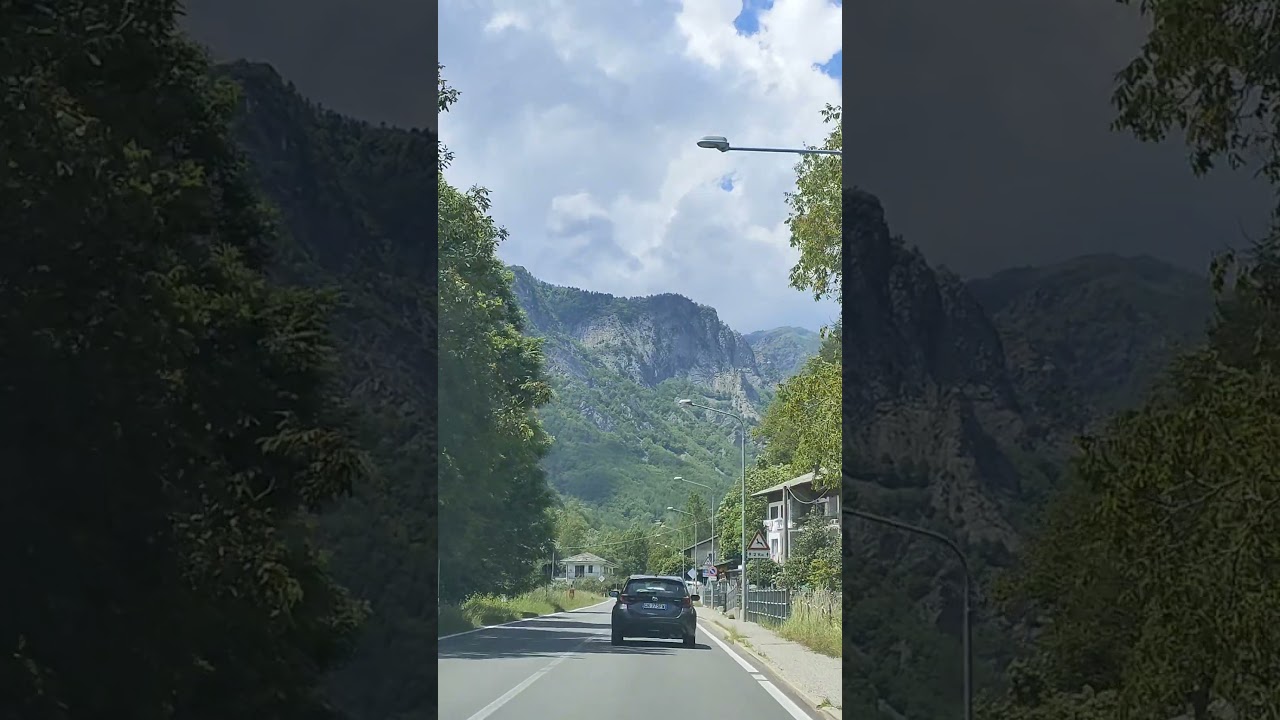
The Alps: Piedmont is home to part of the Italian Alps, which makes it a prime spot for hiking and skiing. The Gran Paradiso National Park, shared with the Aosta Valley region, offers stunning alpine scenery and wildlife.
Lake Maggiore: Located partly in Piedmont and partly in Lombardy and Switzerland, this lake is a serene escape with charming lakeside towns like Stresa and the beautiful Borromean Islands.
Val Grande National Park: One of the wildest and largest nature reserves in Italy, perfect for those who love hiking and outdoor adventures.
5. Cultural Heritage
Sacra di San Michele: A medieval abbey perched high on a mountain overlooking the Susa Valley. It’s one of Piedmont’s most iconic landmarks.
Ivrea: Known for its ancient history and the Ivrea Carnival, which features a famous "Battle of the Oranges."
Royal Residences of the House of Savoy: This UNESCO-listed group of palaces and hunting lodges showcases the opulence of the Savoy dynasty, including the Venaria Reale near Turin.
6. Festivals
Alba White Truffle Fair: Held every autumn, this event attracts food lovers from all over the world.
Palio di Asti: A horse race in the town of Asti, with origins dating back to the 13th century, it’s similar to the more famous Palio in Siena but with its own traditions.
Slow Food Movement: Piedmont is the birthplace of the global Slow Food movement, which emphasizes locally produced, high-quality food.
7. Winter Sports
Piedmont is also a winter wonderland for ski enthusiasts. The Via Lattea (Milky Way) ski area, which includes resorts like Sestriere and Sauze d'Oulx, was the site of the 2006 Winter Olympics.
Practical Tips:
Best Time to Visit: Spring and autumn are ideal, especially during the harvest season when the wine and truffle festivals are in full swing. Winter is best for skiing, while summer can be hot but great for hiking in the Alps.
Getting Around: Renting a car is the easiest way to explore the countryside and vineyards, though major cities like Turin are well-connected by trains.

Информация по комментариям в разработке