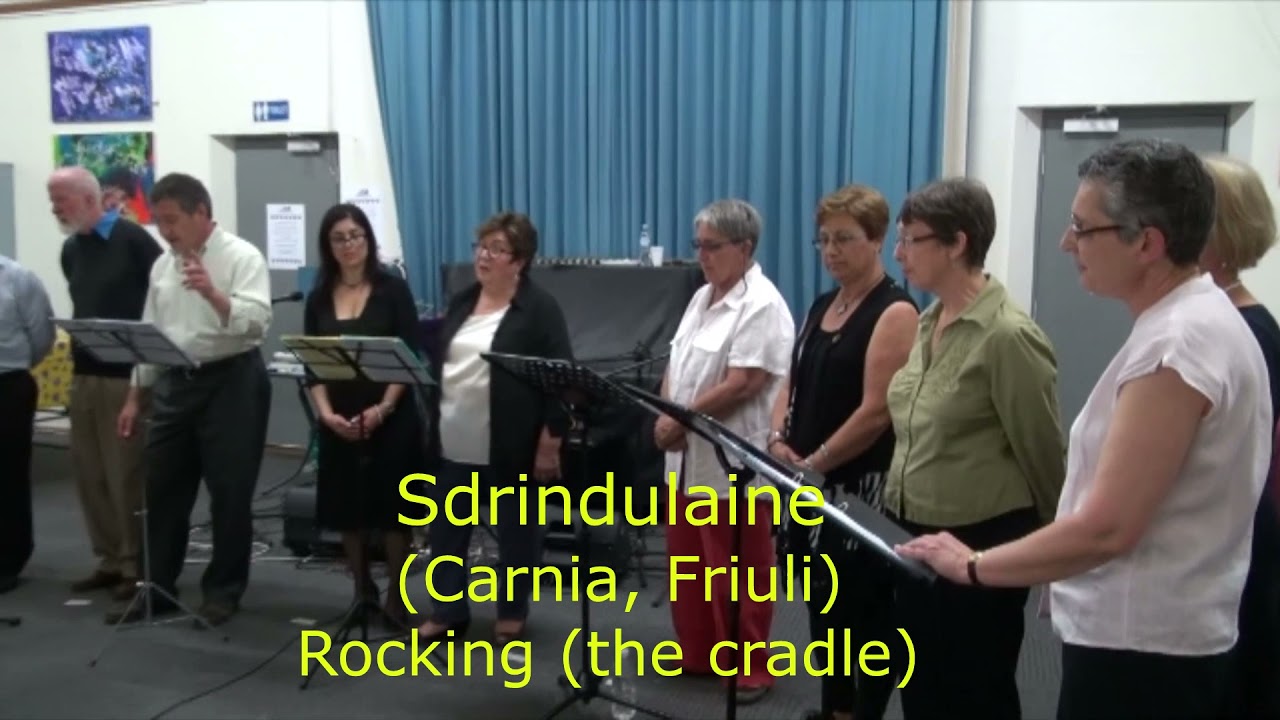
Rocking (the cradle) [Carnia, Friuli]
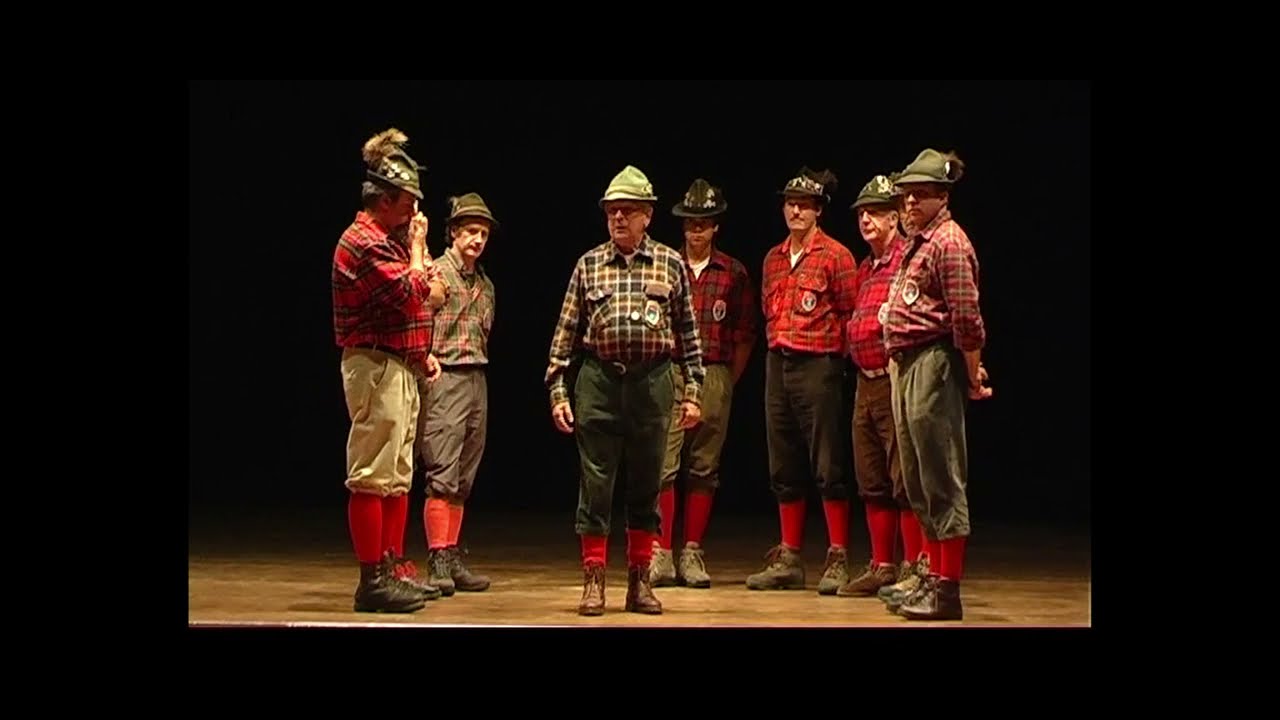
From the concert "Il Calendario dell’altra Italia” (The calendar of the other Italy) by the Italian Folk Ensemble - Adelaide, Australia November 2015. Performance of traditional and popular songs of the Italian people.
The first part of the following villotte, comes from a recording made in Òvaro, 1954. The second stanza, comes to us from Ferruccio Poiana, father of Louis Poiana, musician of the Italian Folk Ensemble. The modern villotte of Friuli are, in part, derived from the songs for 3 or 4 voices (parts) that flourished in the 15th and 16th centuries. Over the centuries, they have been adapted and reworked by local poets and composers. Today they are rarely sung in the original form.
La prima parte della villotte che segue, viene da una registrazione fatta nel 1954 ad Òvaro. La seconda strofa, ci arriva da Ferruccio Poiana, papà di Louis Poiana, musicista dell’Italian Folk Ensemble. Le villotte odierne del Friuli sono, in parte, derivate dai canti per tre o quattro voci che fiorirono nei 15º e 16º secolo. Con il passar dei secoli, esse sono state adattate e rielaborate da poeti e compositori locali. Oggi sono raramente cantate nella forma originale.
Sdrindulaine
sdrindulaine che bambinute.
Sdrindulaine …
Sdrindulaine …
Ch’a si torni,
ch'a si torni a indurmidì.
Al e il pulç,
al e il pulç ch’a la tormente. [x 3]
No le lase,
no le lase mai durmì.
Rocking,
rocking the baby.
Rocking, ...
Rocking, ...
So that she may,
so that she may go back to sleep.
It’s the flea
it’s the flea that torments her. [x 3]
It doesn’t let her,
it doesn’t let her ever sleep.
Dondola, dondola la bambinella. / … / … // sì che torni, sì che torni ad addormentarsi. // È la pulce, / è la pulce che la tormenta. / … / … // Non la lascia, non la lascia mai dormire.
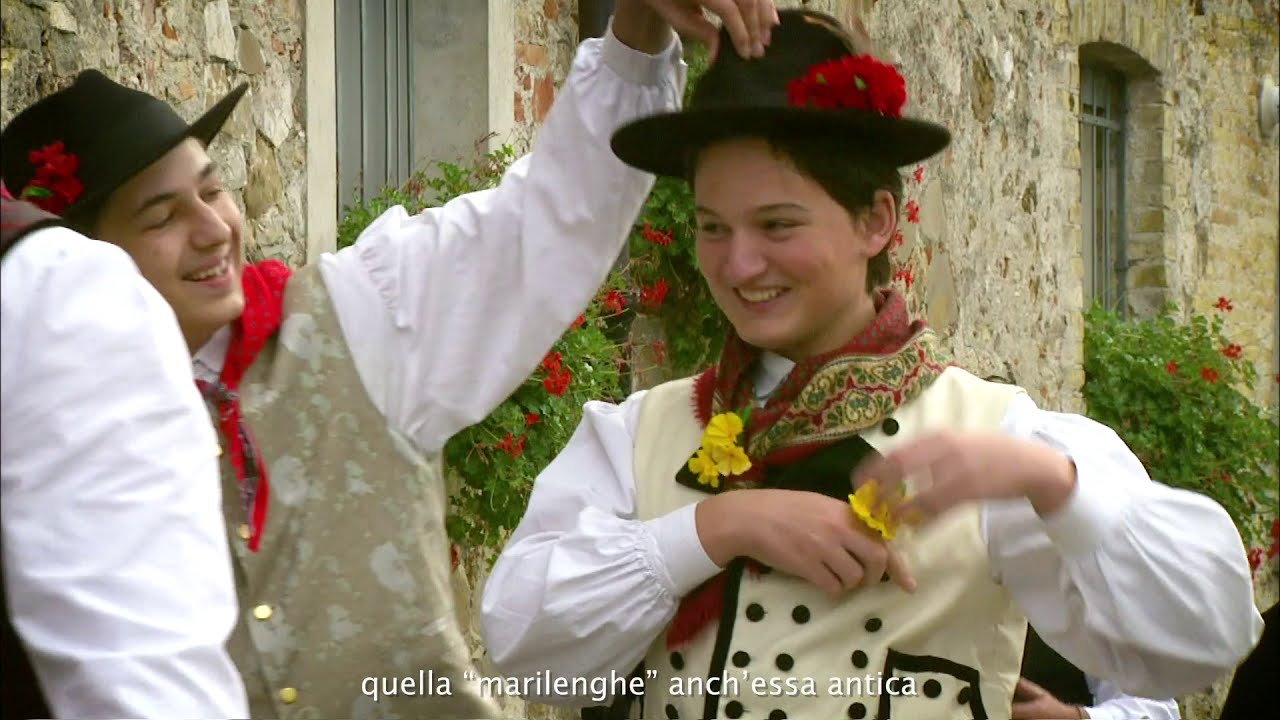
The Italian Folk Ensemble (Adelaide) has been for over 40 years, studying and performing traditional and popular songs and dances of the Italian people, fully respecting their individual musical style and their cultural context. These songs cover a wide spectrum of emotions and experiences of the people of Italy through the ages, and as such, they are a unique medium to learn Italian culture and history.
Graphic: Mother and Child - 1869; Eastman Johnson









Информация по комментариям в разработке