Logo video2dn
  • Сохранить видео с ютуба
  • Категории
    • Музыка
    • Кино и Анимация
    • Автомобили
    • Животные
    • Спорт
    • Путешествия
    • Игры
    • Люди и Блоги
    • Юмор
    • Развлечения
    • Новости и Политика
    • Howto и Стиль
    • Diy своими руками
    • Образование
    • Наука и Технологии
    • Некоммерческие Организации
  • О сайте

Скачать или смотреть How to Perform CPR Life Saving Steps

  • Abhishek Lal
  • 2024-08-29
  • 15
How to Perform CPR  Life Saving Steps
CPRemergency treatmentCardiopulmonary resuscitationhospital emergencylife saving
  • ok logo

Скачать How to Perform CPR Life Saving Steps бесплатно в качестве 4к (2к / 1080p)

У нас вы можете скачать бесплатно How to Perform CPR Life Saving Steps или посмотреть видео с ютуба в максимальном доступном качестве.

Для скачивания выберите вариант из формы ниже:

  • Информация по загрузке:

Cкачать музыку How to Perform CPR Life Saving Steps бесплатно в формате MP3:

Если иконки загрузки не отобразились, ПОЖАЛУЙСТА, НАЖМИТЕ ЗДЕСЬ или обновите страницу
Если у вас возникли трудности с загрузкой, пожалуйста, свяжитесь с нами по контактам, указанным в нижней части страницы.
Спасибо за использование сервиса video2dn.com

Описание к видео How to Perform CPR Life Saving Steps

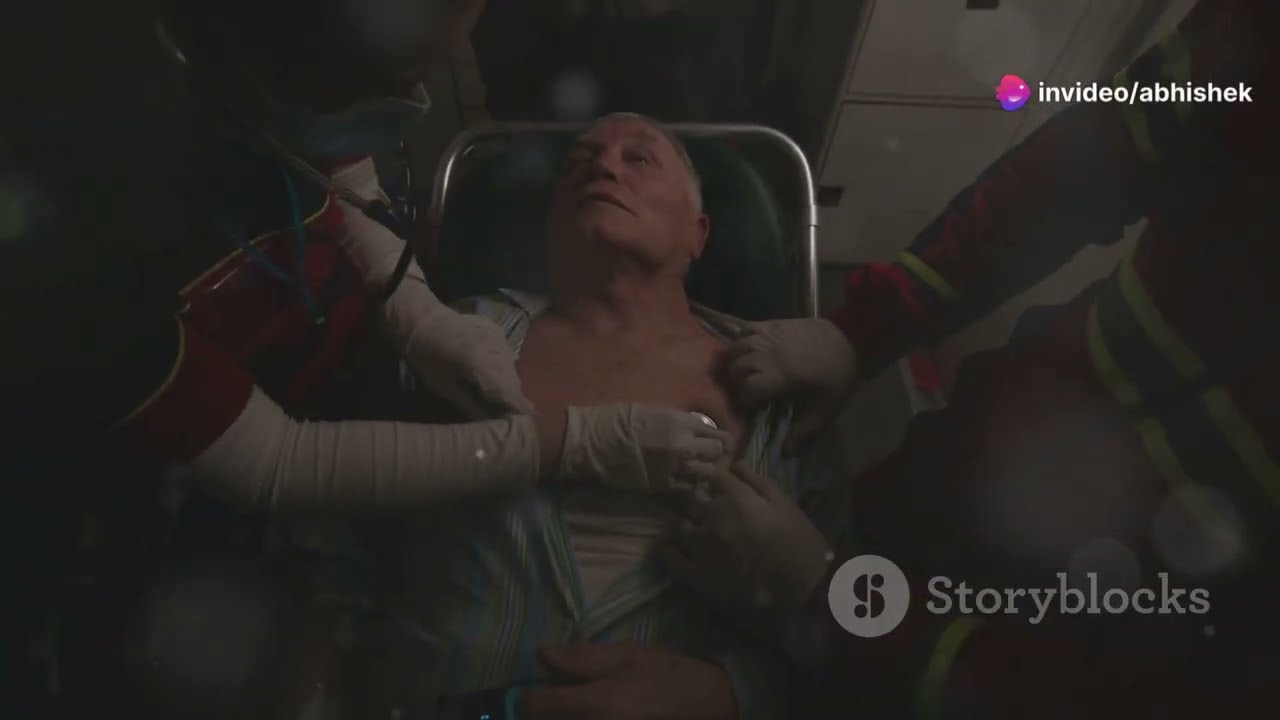
Cardiopulmonary resuscitation (CPR) is a life-saving technique used in emergencies when someone's heartbeat or breathing has stopped. It aims to restore blood flow and oxygen to the brain and other vital organs until normal heart function can be restored or professional medical help arrives. Here’s a breakdown of the key aspects of CPR:

*Components of CPR:*

1. *Chest Compressions:*
**Purpose**: To mimic the pumping action of the heart, which helps circulate blood to the brain and other organs.
**Technique**: Place the heel of one hand (or both hands, if using two) on the center of the person’s chest, between the nipples. Press down hard and fast, at a rate of about 100-120 compressions per minute, with a depth of 2-2.4 inches (5-6 cm) in adults.
**Recoil**: Allow the chest to fully return to its normal position after each compression. This is crucial for effective blood flow.

2. *Rescue Breaths:*
**Purpose**: To provide oxygen to the lungs, especially in cases of respiratory arrest.
**Technique**: After 30 chest compressions, give 2 rescue breaths. Ensure the person’s airway is open by tilting their head back and lifting their chin. Pinch their nose, cover their mouth with yours to create an airtight seal, and give a breath that lasts about 1 second, making the chest rise visibly. Each breath should be given slowly and gently.

3. *Hands-Only CPR:*
**For Untrained Bystanders**: If you're unsure of how to give rescue breaths or are not trained in CPR, you can perform hands-only CPR. This involves providing continuous chest compressions without rescue breaths. It is still effective and recommended in many situations, particularly for adults with sudden cardiac arrest.

*When to Perform CPR:*

**Recognize Signs**: CPR is necessary if a person is unresponsive and not breathing normally (or only gasping). If there is no pulse, start CPR immediately.
**Call for Help**: Before starting CPR, if possible, call emergency services or have someone else do it while you begin the procedure. If alone, perform CPR for about 2 minutes before calling for help.

*Steps to Perform CPR:*

1. **Check for Responsiveness**: Tap the person and shout, "Are you okay?" If there is no response, proceed with CPR.
2. **Call for Emergency Help**: If alone, call emergency services immediately. If someone is with you, have them call while you start CPR.
3. **Start Chest Compressions**: Position your hands on the center of the chest and begin compressions.
4. **Give Rescue Breaths (if trained)**: After 30 compressions, give 2 breaths. Continue the cycle of 30 compressions and 2 breaths.
5. **Continue CPR**: Keep performing CPR until emergency help arrives or the person shows signs of recovery (e.g., begins to breathe or move).

*Important Considerations:*

**Chest Compressions Only**: For bystanders who are not trained in CPR, hands-only CPR is still effective and preferred over doing nothing.
**Safety**: Ensure that the scene is safe before providing aid. Avoid moving the person unnecessarily, especially if there is suspected spinal injury.

*CPR Training:*

**Training**: Taking a CPR course from a certified organization (such as the American Heart Association or the Red Cross) can provide hands-on practice and confidence in performing CPR correctly.
**Certification**: CPR certification courses often include training in both adult and pediatric CPR, as well as in using an automated external defibrillator (AED).

CPR can significantly improve the chances of survival for individuals experiencing cardiac arrest or other life-threatening emergencies. Knowing how to perform CPR and acting quickly can make a critical difference in saving lives.

Комментарии

Информация по комментариям в разработке

Похожие видео

  • О нас
  • Контакты
  • Отказ от ответственности - Disclaimer
  • Условия использования сайта - TOS
  • Политика конфиденциальности

video2dn Copyright © 2023 - 2025

Контакты для правообладателей [email protected]