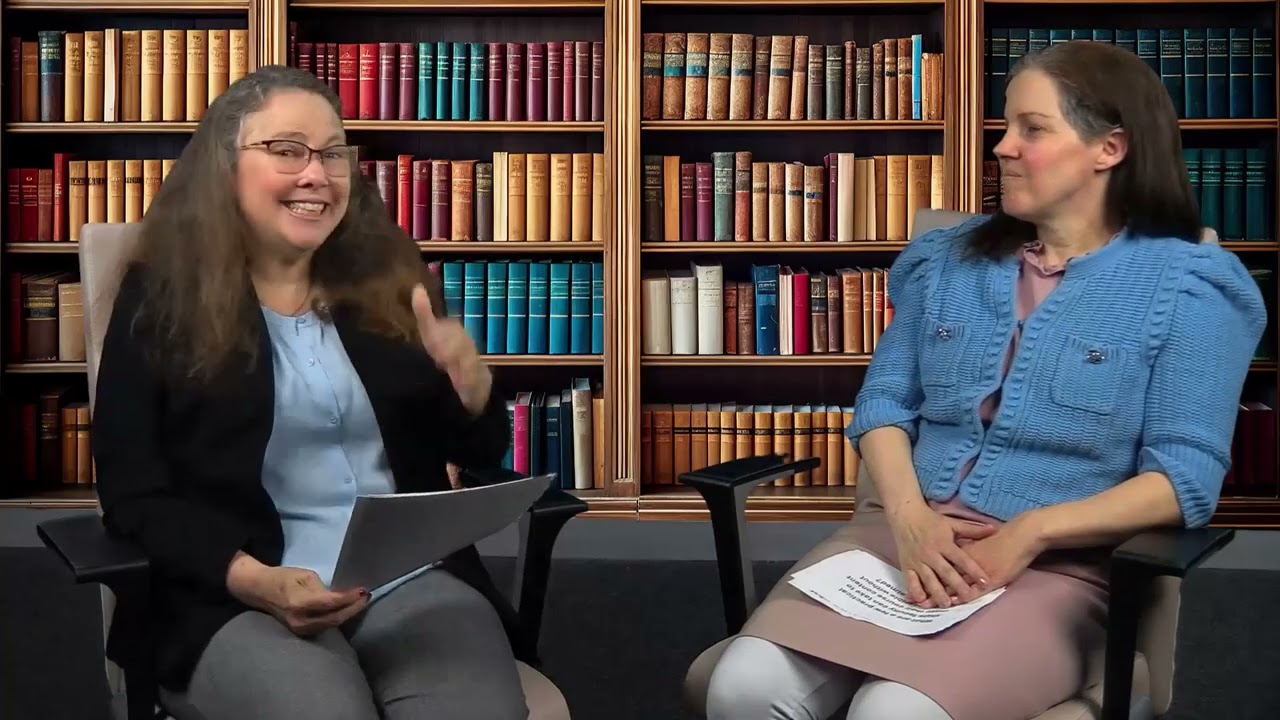
In this episode of the CRTLE Accessibility Video Series, Dr. Peggy Semingson (Center for Research on Teaching and Learning Excellence) sits down with Laura Hopkins, UT Arlington’s Electronic and Information Resources (EIR) Compliance Lead and Accessibility Coordinator, for a practical, faculty‑centered conversation about digital accessibility and why it matters for teaching, learning, and student success.
This conversation reframes accessibility not as a compliance burden, but as good teaching practice—highlighting how small, intentional design choices can significantly improve the learning experience for all students. Laura explains what EIR means at UTA, what types of digital materials are covered (from Canvas content and PDFs to videos, software, and websites), and how accessibility intersects with everyday instructional decisions faculty already make.
Key topics covered include:
What digital accessibility means in practice—and why it applies to everyone, not only students with documented accommodations
How Canvas and Ally can help faculty identify accessibility issues, with guidance on what to prioritize first
The three severe accessibility issues that must be addressed immediately (including non‑OCR’d documents, encrypted files, and seizure‑inducing images)
The most common major issues across UTA courses—such as missing alt text, poor color contrast, heading structure, untagged documents, broken links, and missing captions—and why these are more manageable than they may seem
A realistic, faculty‑friendly approach to remediation that emphasizes habits over perfection, including the “touch a document once” strategy
Why accessibility improves clarity, navigation, and engagement for multilingual students, students with temporary impairments, and learners across contexts
How accessibility reduces barriers and frustration, making course materials easier to use for everyone
Laura also walks through the robust support network available at UTA, including:
The EIR Accessibility Resource Toolkit (videos, guides, and self‑service resources): go.uta.edu/EIRA
Support from the Center for Distance Education (CDE) for Canvas and Ally
Training opportunities led by Knowledge Services and campus partners
CRTLE’s role as a one‑stop hub connecting faculty to accessibility resources and guidance
The conversation also addresses important realities faculty face, including:
When exceptions may be appropriate for materials that cannot be made accessible due to their nature (and how the ServiceNow exception process works)
Why documentation matters for compliance
What’s changing with the Department of Justice ADA regulations, including the April 2026 deadline and why building accessible habits now protects both students and the institution
The key takeaway: Accessibility and student success are inseparable. Designing with accessibility in mind reduces barriers, supports learning, and creates a more inclusive campus experience—without requiring faculty to do everything at once or do it alone.
Whether you are just getting started or refining existing practices, this video offers reassurance, clarity, and practical next steps for making accessibility part of everyday teaching.
📌 Resources mentioned:
EIR Accessibility Toolkit: https://go.uta.edu/EIRA
CRTLE Accessibility Resources
Center for Distance Education (CDE) support
For additional questions or suggestions, faculty and staff are encouraged to reach out and stay connected—accessibility is shared work, and we’re in it together.
Laura Hopkins is the EIR Compliance Lead in the Office of Information Technology at the University of Texas at Arlington, where she also serves as UTA’s designated Electronic and Information Resources (EIR) Accessibility Coordinator. In this role, Laura leads campus‑wide efforts to ensure that digital content—including course materials, websites, software, and electronic systems—meets accessibility standards and complies with state and federal regulations.












Информация по комментариям в разработке