ON JANUARY 4, 2010, A massive landslide thundered down the sides of the remote Hunza Valley in the Gilgit Baltistan Region of Northern Pakistan. The village of Attabad was buried, killing 20 people and destroying 26 homes. The disaster, however, was far from over. The landslide had dammed the Hunza River, and the rapidly rising waters of the newly formed lake threatened villages both below and above the dam.
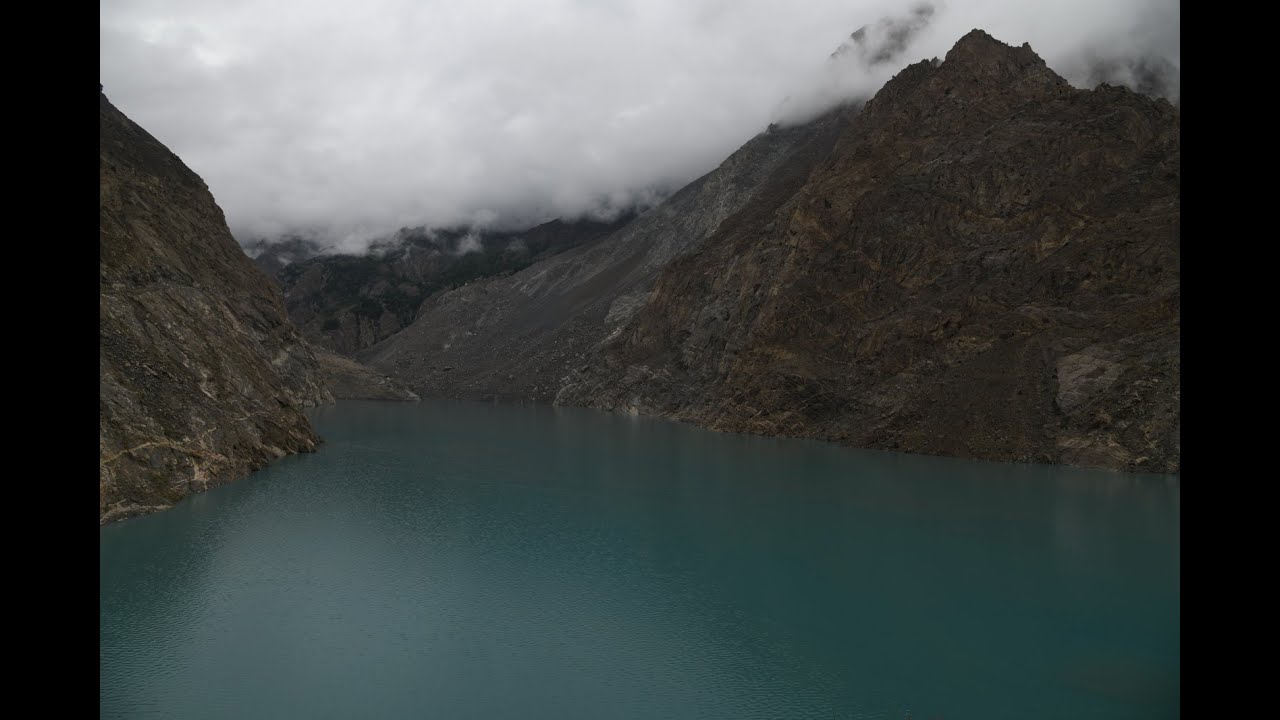
The waters behind the newly formed natural dam soon rose to a depth of more than 300 feet, creating a lake that eventually measured 13 miles in length. As the lake grew, it displaced some 6,000 people from upstream villages and flooded a 12-mile stretch of the Karakoram Highway, leaving the region stranded.
In May 2010, local authorities excavated a spillway to guide the flow over the dam. A month later, however, too much water was flowing over the landslide. Below the dam, lower Shishkat was completely submerged and Gulmit partly flooded.
By August 2010, the spillway was beginning to perform well. But by that time, as many as 25,000 individuals had been affected, either as a result of the initial landslide, flooding, or due to the destruction of the highway. The government provided aid to the victims, but many remained in fear of further disaster. If the dam burst, 50,000 people living downstream could be in peril, as well as a road that served as an important trade link with China.
Thankfully, the dam held. And from the disaster came an unexpected attraction that would eventually lead to a tourism boom in the area: Attabad Lake, a shimmering turquoise lake that is now one of the main attractions in the Gilgit-Baltistan region of Pakistan.
The lake’s chilly waters are a stunning turquoise in spring and early summer, when meltwater from the surrounding mountains deposits glacial silt into the lake. In winter, the lake typically freezes over.
Most visitors come to enjoy this spectacular landscape when the lake is ice-free. Various recreational activities take place on and around the lake, including boating, jet skiing, and fishing. And with the rise in tourism, an increasing number of hotels and guesthouses have sprung up around the lake, as well as a handful of campsites.
Presumably, the influx of tourists has benefited many of the locals who were affected by the landslide. And now that the highway has been rebuilt with new tunnels, access is better than it was before. Still, if you take a boat out onto the calm surface of Attabad Lake, it’s strange to think that 300 meters below you sits a once-lively village.
Know Before You Go
Attabad Lake is about half an hour east of Karimabad, the capital of the Hunza District in the Gilgit-Baltistan province of Pakistan (Karimabad, incidentally, was named one of the five "Best Tourist Sites" in Pakistan by The Guardian). If you arrive independently, you can arrange trips on the lake with local guides or in Karimabad. Most boat trips tend to last at least an hour. Alternatively, you can organize five-day tours from Islamabad, which often include the Hunza Valley, Attabad Lake, and the Pakistan-China border region.
Climate/Weather Condition:
The climate is moderate during summers reaching a maximum of 31 Degrees Celsius. The best weather to visit is from April to October. Tourists from all over the world come flooding in during the peak seasons.
Activities at Attabad Lake
Boating
During the summer season, you can get the chance to swim and boat in the Attabad Lake as well as visit it during the summer. There are several boat designs that show Pakistan’s art and are decorated with the colors of traditional and cultural patterns and designs. For instance, when the boat goes to the middle point of the lake, the impression of paradise can be felt.
Jet Skiing
The lake authorities are now offering jet skiing on the Attabad lake as a new service. Jet skiing can be a lot more adventurous in the summer season when the temperatures rise. The deep blue water of the lake provides an excellent opportunity for this activity.
Ice Skating
Lake water freezes during the winter and provides the best platform for ice skating during the winter season. Ice skating is enjoyed by a large number of tourists and locals during the winter.
Attabad Lake Tunnel
In Gilgit Baltistan the Attabad Lake tunnel system consists of five tunnels that run through Gojal Valley in Upper Hunza. Located in the Gojal Valley of Hunza, Gilgit Baltistan, the Attabad Lake Tunnels are a series of five tunnels that connect to the Attabad Lake. After the road was replaced by this masterpiece, also known as the ‘Pakistan-China Friendship Tunnels,’ construction began in 2015.
At 2.500 meters above sea level the tunnels are totally paved and are located at the height of 2.500 meters. At the cost of $275 million, the new section consists of two bridges, 78 culverts, five tunnels and a total length of 24 km. using the tunnel, tourists can now travel between China and Islamabad.

Информация по комментариям в разработке