19th-Century Railway Transportation
Railway transportation in the 19th century marked a turning point in human history. Introduced widely in the early 1800s, trains became a powerful symbol of technological progress and the Industrial Revolution, transforming how people and goods moved across countries with unprecedented speed and efficiency.
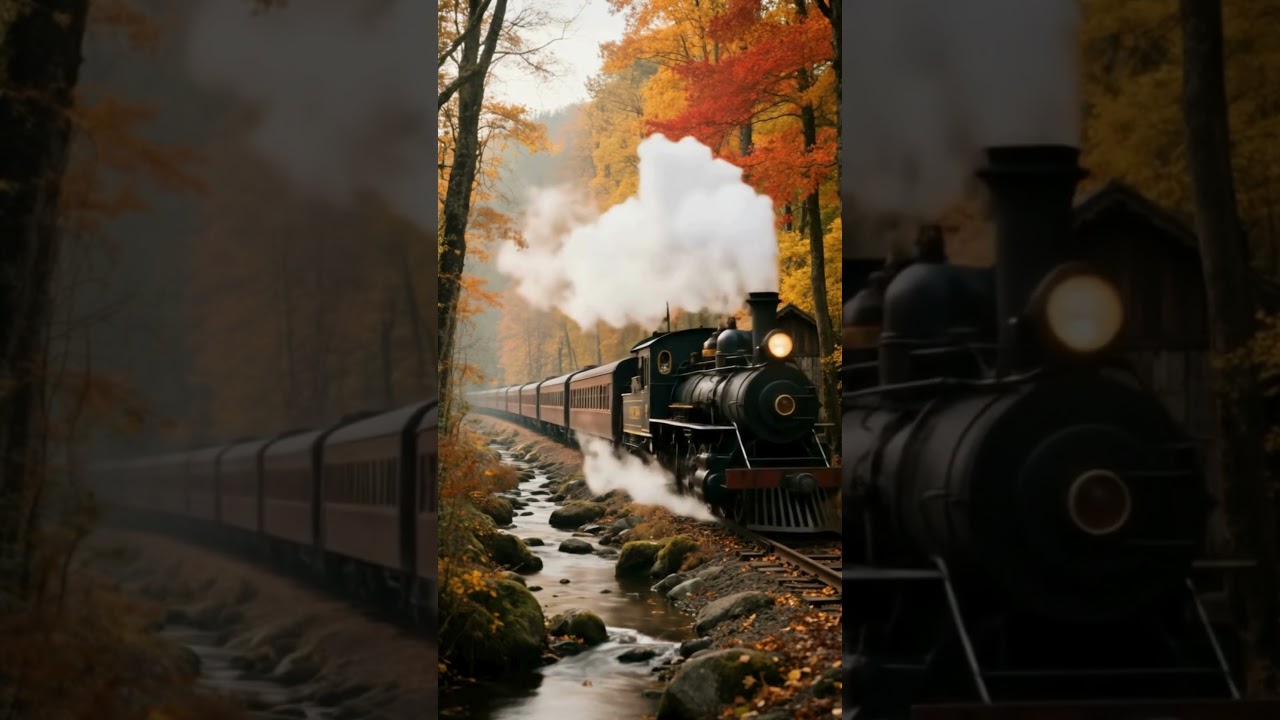
Steam locomotives, the heart of the railway system, burned coal to heat water in large boilers. The resulting high-pressure steam powered pistons and massive iron wheels. White or black smoke billowed from tall chimneys, signaling the presence of this roaring machine of progress.
Rail tracks, made of iron or steel and supported by wooden sleepers, stretched across vast landscapes—connecting cities, towns, mines, farms, and factories. Travel that once took days by horse-drawn carriage could now be done in mere hours.
Trains served two primary purposes:
Passenger transport – From working-class laborers to the upper class, trains offered faster, safer travel for work, leisure, and migration.
Freight transport – Coal, timber, steel, textiles, grain, and manufactured goods were carried in bulk, fueling industrial growth and urban expansion.
Railway stations became new social and economic hubs, ranging from simple wooden platforms to grand architectural landmarks. They were places of reunion and farewell, of bustling activity and quiet anticipation. The sound of the whistle, the chug of the engine, and the rhythmic clatter of wheels became part of everyday life.
While safety standards were still developing—braking systems were primitive and accidents not uncommon—railways symbolized hope, progress, and a new era of connectedness. They united regions, accelerated commerce, and opened up the world for millions, permanently reshaping modern civilization.
#train
#railway
#railroad
#travel
#transportation
#future
#19thcenturytrain
#steamtrain
#steamlocomotive
#railwayhistory
#trainhistory
#industrialrevolution
#vintagetrain
#oldtrain
#historicaltrain
#locomotion
#georgestephenson
#railwayheritage

Информация по комментариям в разработке