Why Are Portuguese Genetically Different From Spaniards
Two nations.
One peninsula.
Over 1,200 years of shared history.
Portugal and Spain sit side by side in southwestern Europe. They speak similar languages. They share food, culture, and religion.
So why can modern DNA studies sometimes tell them apart?
Tonight, we uncover the hidden genetic story of Iberia — and how geography, conquest, and centuries of political rivalry shaped the people of Portugal and Spain.
Long before Portugal or Spain existed, the Iberian Peninsula was home to ancient tribes.
Among them were the early Iberians and later the Celts, who moved into the region from Central Europe.
Then came Rome.
For nearly 600 years, the peninsula was part of the mighty Roman Empire. Roman rule unified the region politically, culturally, and genetically.
Latin replaced local languages. Roads connected cities. Trade expanded.
The people of Iberia became Romanized — but they remained regionally distinct.
When Rome fell, Germanic tribes moved in.
One of the most powerful were the Visigoths, who ruled much of Iberia from the 5th to 8th centuries.
Their numbers were relatively small, but they left cultural and minor genetic influence.
Still, the population remained largely descended from Romanized Iberians.
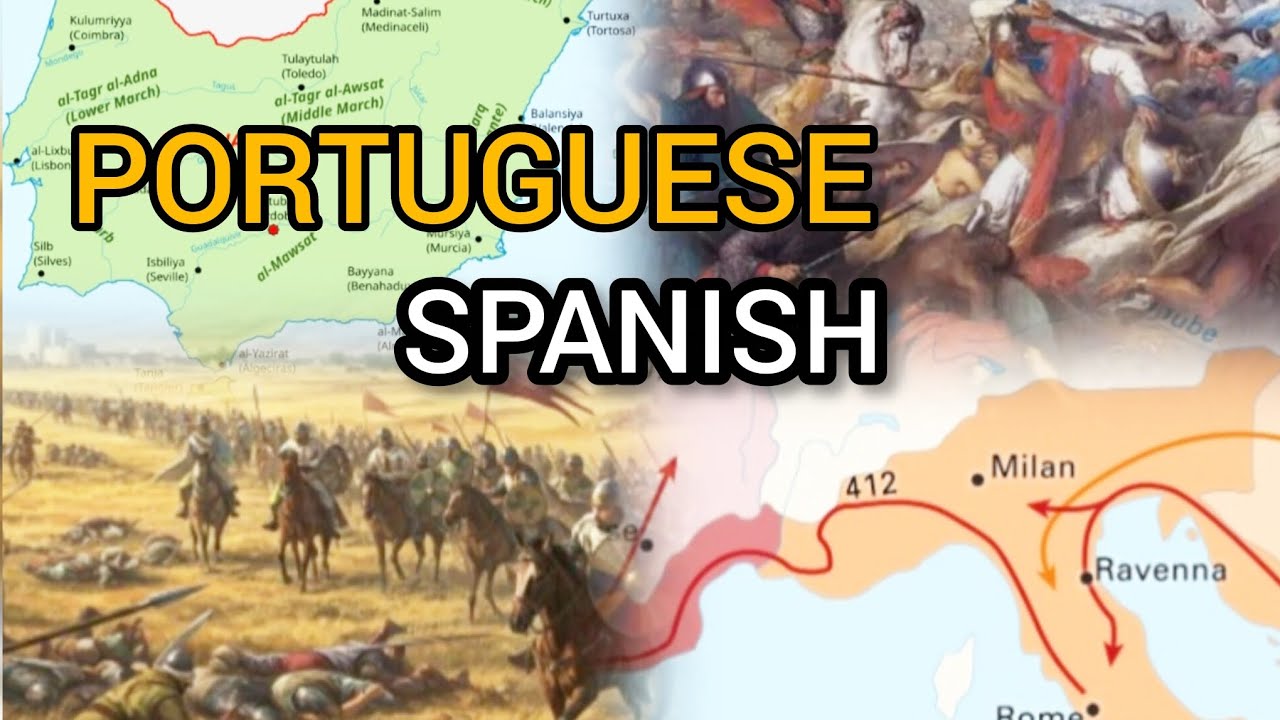
Then, in 711 AD, everything changed.
Muslim forces from North Africa crossed the Strait of Gibraltar and rapidly conquered most of Iberia.
For centuries, much of modern Spain and Portugal was part of Islamic-ruled territories.
This period would later be known as the Reconquista — the long Christian campaign to retake the peninsula.
Here’s where subtle differences begin:
Southern Spain remained under Muslim rule for nearly 800 years.
Portugal, particularly in the north, regained territory earlier.
As a result, southern Spanish populations show slightly higher North African genetic influence compared to most Portuguese regions.
The differences are small — but measurable.
To Americans, Europe looks small.
But medieval Iberia was not easy to travel across.
Mountain systems like the Sistema Central divided regions internally.
Villages were isolated.
Marriages happened locally.
Over centuries, isolation leads to genetic clustering.
Even without dramatic migrations, small variations accumulate over time.
In 1143, Portugal became an independent kingdom after the Treaty of Zamora.
From that moment forward, Portugal and the kingdoms that would later unite as Spain developed separately.
Different royal families.
Different colonial empires.
Different migration patterns.
For over 800 years, these were distinct political worlds.
And when populations remain mostly separate for that long, genetic drift naturally occurs.
Small differences slowly grow clearer.
Both nations became global empires.
Portugal looked west and south — to Brazil and Africa.
Spain built vast colonies across the Americas.
These global connections brought cultural exchange — but surprisingly limited reverse migration into Iberia during early centuries.
So mainland populations remained relatively stable.
That stability preserved regional genetic patterns.
Today, geneticists analyze thousands of DNA markers across populations.
The result?
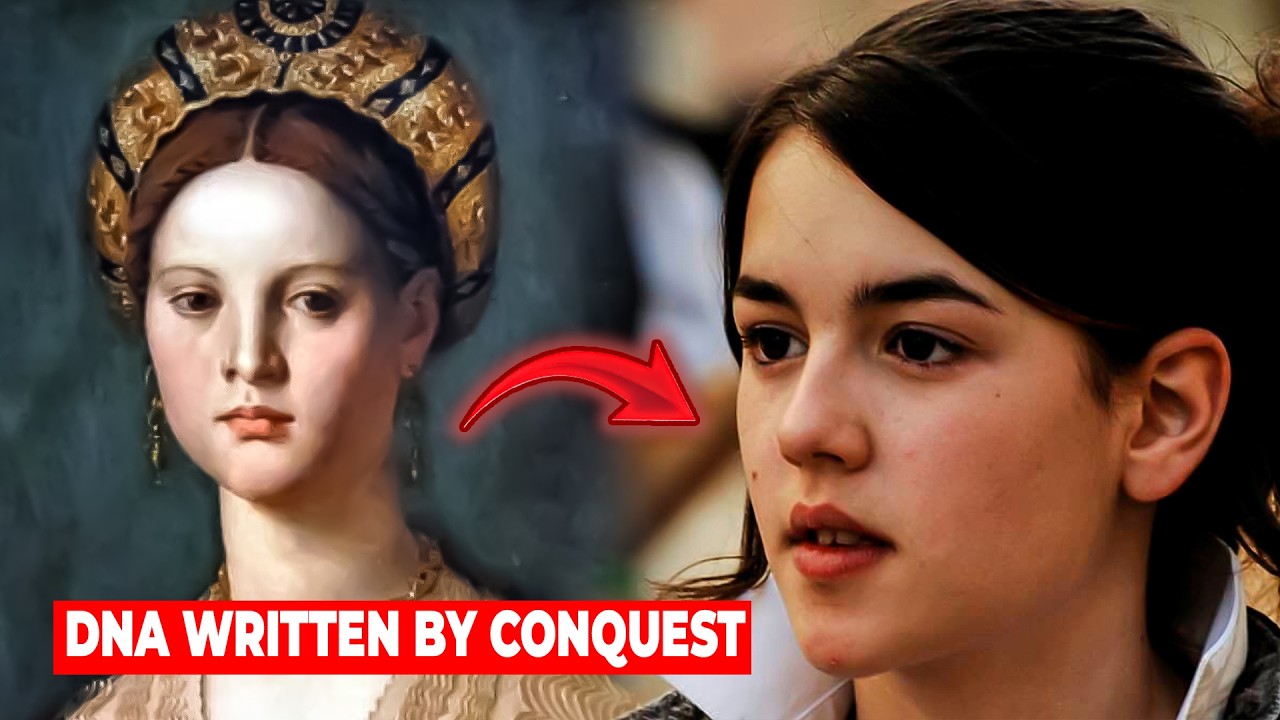
Portuguese and Spanish people form a shared Iberian genetic cluster — but with subtle regional variation.
In fact, northern and southern Spain sometimes differ more from each other than Portugal differs from parts of Spain.
So the story isn’t about dramatic division.
It’s about time.
Geography.
And centuries of history leaving faint fingerprints in our DNA.
Portugal and Spain are not genetically distant nations.
They are close relatives shaped by the same ancient civilizations.
But history leaves traces.
Mountain ranges matter.
Empires matter.
And 800 years of political separation matter.
In the end, the Iberian Peninsula tells a powerful lesson:
Even small differences — given enough time — become part of identity.
#PortugalVsSpain
#IberianHistory
#PortugueseVsSpanish
#EuropeanHistory
#HistoryDocumentary
#Reconquista
#MedievalHistory
#RomanEmpire
#Visigoths
#IberianPeninsula
#SpainHistory
#PortugalHistory
#WorldHistory
#HistoryExplained
#AncientEurope
#GeneticHistory
#DNAHistory
#WesternCivilization
#HistoryChannelStyle
#DocumentaryFilm
#LearnHistory
#GeopoliticsHistory
#EuropeanOrigins










Информация по комментариям в разработке