Making all kinds of Die casting, Gravity ,High Pressures, Sand Casting,SPM machinery, Plastic Mould, Sheet metal ,Product Development. If any requirement please contact below Given Address
JPM TECHNOLOGY
First Floor,Plot No.35/A,
Road No.3, Phase -1, IDA Jeedimetla,
Hyderabad.500055, India,
[email protected]
Cell: +919492854461, 9030742007,
Gravity Die Casting: Also known as permanent mold casting, it's a metal casting process where molten metal is poured into a metal mold cavity under the force of gravity. This process is suitable for high-volume production of complex-shaped parts with excellent dimensional accuracy and surface finish.
Manufacturing Process: In gravity die casting, the process typically starts with mold preparation, where the mold cavity and gating system are created. Then, the mold is preheated to a specific temperature to optimize metal flow and solidification. Molten metal is poured into the mold, filling the cavity. After solidification, the casting is removed from the mold, trimmed, and subjected to finishing operations as needed.
Design: Design considerations in gravity die casting include part geometry, draft angles, fillets, and ribs to facilitate mold filling and release. The gating system design influences metal flow and solidification, while cooling channel design affects cooling rates and part quality.
Machining: After casting, some parts may require machining operations such as milling, drilling, turning, or grinding to achieve final dimensions, tolerances, and surface finish.
Casting Trial: Casting trials are essential to optimize process parameters, such as pouring temperature, cooling time, and mold release agents. They help identify potential issues early in the production cycle, ensuring consistent quality in subsequent runs.
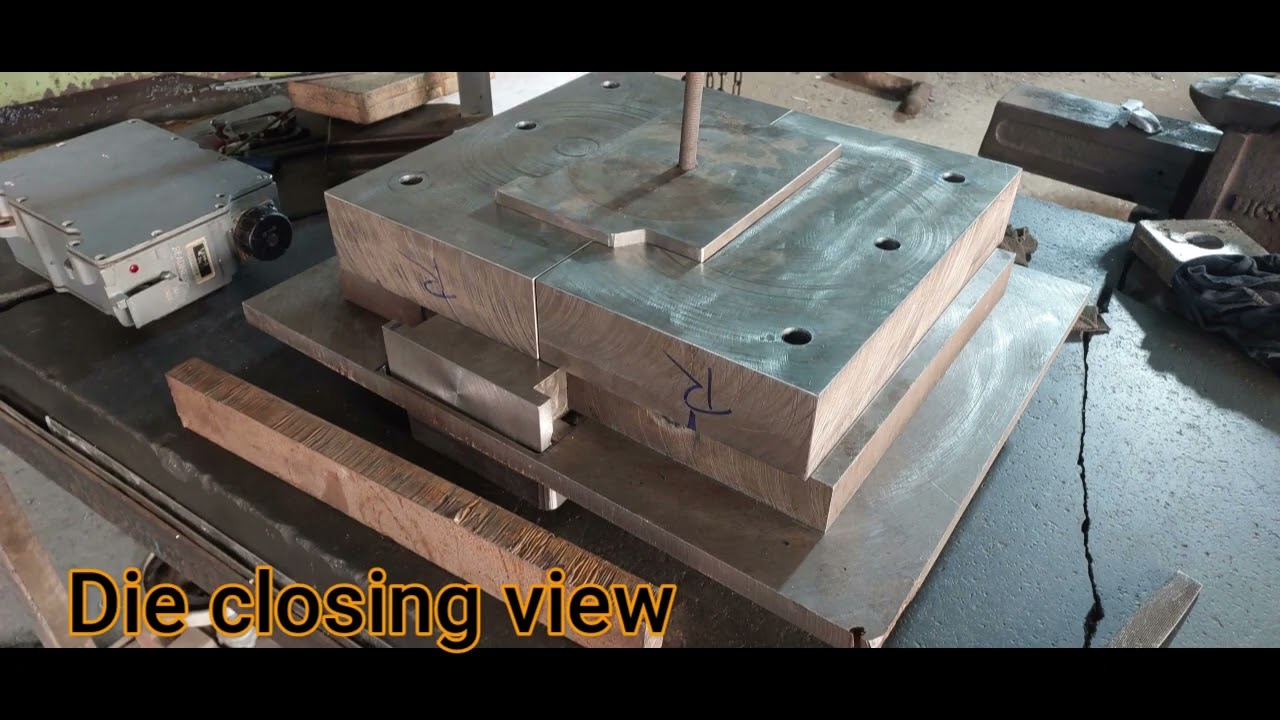
Die Matching: Proper die matching ensures that mold halves or sections align accurately, preventing defects such as misruns or cold shuts.
Die Polish: Die polishing involves smoothening mold surfaces to minimize surface defects and improve casting quality. Polishing also aids in releasing the casting from the mold cavity.
Material Selection: Material selection is crucial for achieving desired mechanical properties, thermal conductivity, corrosion resistance, and cost-effectiveness in the final casting.
Stage-wise Operations: Stage-wise operations involve sequential steps from mold preparation to finishing, each critical for producing high-quality castings. These stages may include mold assembly, preheating, metal pouring, solidification, mold opening, part removal, trimming, deburring, inspection, and finishing.
Metal Alloy: Common metal alloys used in gravity die casting include aluminum, zinc, and magnesium alloys, chosen based on specific application requirements such as strength, weight, corrosion resistance, and thermal conductivity.
Mold Cavity: The mold cavity defines the shape and dimensions of the casting. It is carefully designed to minimize defects and optimize metal flow during the casting process.
Cooling Channels: Cooling channels within the mold dissipate heat generated during casting, controlling solidification rates and minimizing thermal gradients to prevent defects like shrinkage and porosity.
Gate Design: Gate design influences metal flow velocity, turbulence, and direction into the mold cavity, affecting casting quality, surface finish, and mechanical properties.
Runner System: The runner system connects the pouring basin (sprue) to the mold cavity, distributing molten metal evenly and facilitating efficient filling of the mold cavity.
Pouring Temperature: The pouring temperature is critical for achieving proper fluidity and filling of the mold cavity while avoiding defects like cold shuts and misruns.
Metal Flow: Metal flow characteristics, including velocity, turbulence, and pressure, influence casting quality, solidification, and defect formation.
Defect Analysis: Defect analysis involves identifying, categorizing, and mitigating casting defects through systematic inspection, root cause analysis, and process improvement.
Die Preheating: Die preheating minimizes thermal shock, improves metal flow, and enhances casting surface finish by reducing mold surface temperature gradients.
Mold Release Agents: Mold release agents facilitate part ejection by reducing friction between the casting and mold surfaces, preventing sticking or tearing.
Mold Coatings: Mold coatings improve mold surface properties, such as hardness, thermal conductivity, and release characteristics, extending mold life and enhancing casting quality.
Trimming: Trimming removes excess material or flash from castings to achieve final dimensions, tolerances, and surface finish.
Deburring: Deburring removes sharp edges, burrs, or surface imperfections from castings to enhance safety, aesthetics, and functionality.

Информация по комментариям в разработке