The most powerful hurricane ever to strike Jamaica has left devastation scientists are calling "beyond catastrophic."
185 mph winds. A central pressure of 892 millibars rivaling the most intense hurricanes in recorded history. Over 60 lives lost. 90,000 displaced. And while Jamaica struggles to count the dead, this monster carved a path toward Cuba — still a major hurricane, still deadly.
Hurricane Melissa made direct landfall near New Hope, Westmoreland Parish on November 28, 2025 — slamming Jamaica's southwestern coast with maximum sustained winds of 185 mph. The strongest hurricane ever recorded to make landfall on the island. Ever.
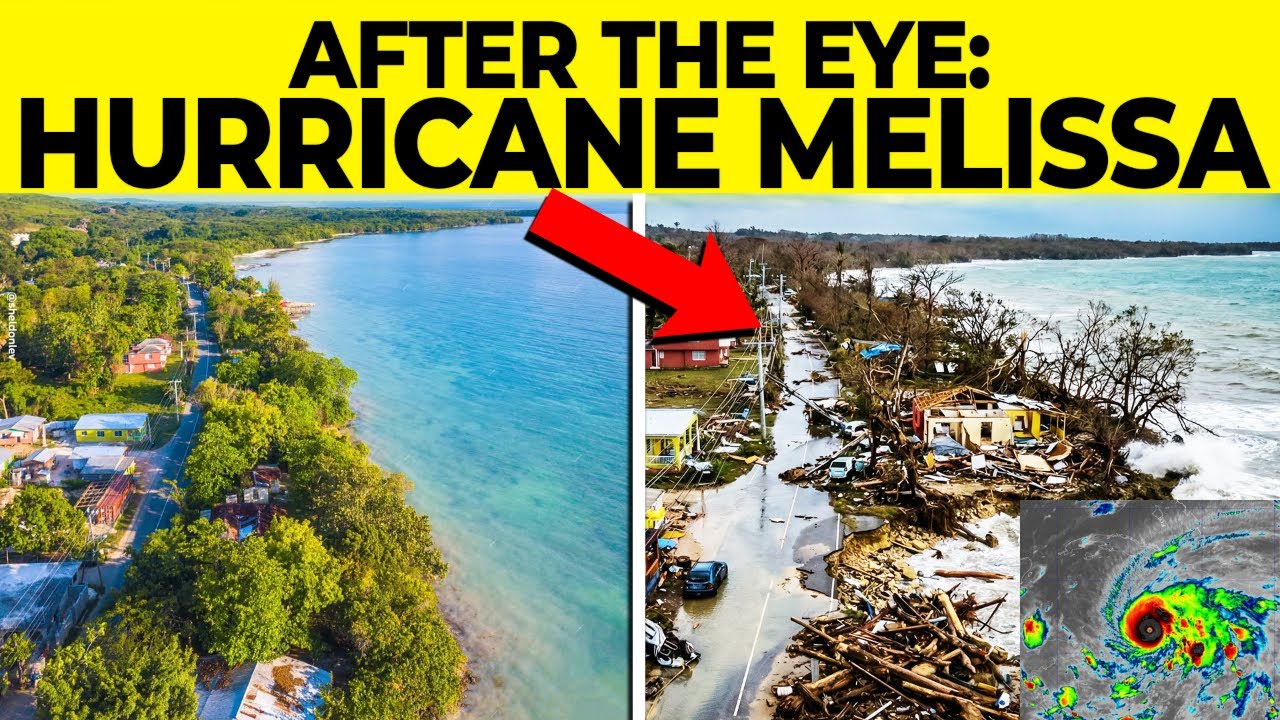
Entire communities obliterated. Forests stripped bare. Coastal settlements completely submerged. NASA satellite imagery shows mountainsides scarred by landslides and massive swaths of Jamaica underwater. This storm didn't just break records — it shattered them.
This documentary reveals:
✅ The November 28th Category 5 landfall with 185 mph winds
✅ How 892 millibar pressure matches the catastrophic 1935 Labor Day Hurricane
✅ 15-30 inches of rain (40" in some areas) — 3+ feet of water in hours
✅ 45-54 confirmed deaths with 15 missing (numbers still rising)
✅ 90,000 people displaced, 1,300+ still in shelters weeks later
✅ 15-20 foot storm surge submerging single-story buildings
✅ One-third of Jamaica losing power — 530,000 customers in the dark
✅ Rapid intensification from tropical storm to Cat 5 in just 48 hours
✅ Climate change attribution: warmer oceans fueled explosive strengthening
✅ 700,000 Cubans evacuated as Melissa struck as Category 3 hurricane
✅ Leptospirosis outbreak killing 6+ in contaminated floodwaters
The numbers are brutal: 892 millibars central pressure. 15-30" rainfall widespread. 40" in isolated areas. 15-20 foot storm surge. Over 6,000 displaced in first 24 hours alone. 800 emergency shelters activated nationwide. Hospitals damaged or destroyed. Water systems failed. Roads washed out. Bridges collapsed. Telecommunications networks went silent across western Jamaica.
This was rapid intensification gone extreme. Melissa formed November 21st. By November 25th, it was a tropical storm. Then it exploded — jumping from tropical storm to Category 5 in just two days. Wind speeds increased over 100 mph in less than 48 hours. Abnormally warm sea surface temperatures acted like rocket fuel. Forecasters raced to update warnings as satellite imagery showed a tight, symmetric core with a clear eye forming.
Hurricane Gilbert, 1988 — Jamaica's previous strongest storm — was Category 3. Melissa exceeded Gilbert's wind speed, central pressure, and rainfall intensity. It became the strongest hurricane ever recorded to make direct landfall on Jamaica. And like Gilbert, it moved on to strike Cuba as a still-powerful major hurricane.
Cuba's response saved lives: 700,000 evacuated before Melissa made landfall as Category 3 on November 29th near Santiago de Cuba. No storm-related deaths reported — but extensive flooding, infrastructure damage, and power outages across eastern provinces.
The disaster continues: Leptospirosis — a deadly bacterial disease spread through contaminated floodwater — has killed at least 6 in Jamaica. Standing water, damaged sanitation, and displaced populations create ideal conditions for cholera, typhoid, and dengue outbreaks. Jamaica was still recovering from Hurricane Beryl when Melissa struck — compounding vulnerabilities.
World Weather Attribution study conclusion: Climate change made Melissa worse. Warmer ocean temperatures — elevated by decades of greenhouse gas emissions — fueled the rapid intensification to Category 5. The report's title: "Climate change enhanced intensity of Hurricane Melissa, testing limits of adaptation in Jamaica and eastern Cuba."
Over 1,000 people still living in emergency shelters weeks later because they have no homes. Critical hospitals remain damaged. One-third of Jamaica still without reliable electricity. And climate models predict storms like this — rapid intensifiers exploding from tropical storm to Category 5 in 48 hours — will become more common.
⚠️ Contains footage of Category 5 hurricane destruction, catastrophic flooding, mass evacuations, and disaster aftermath
🎬 Comprehensive storm analysis with satellite imagery, meteorological data, and climate attribution research
#HurricaneMelissa #Jamaica #Category5 #Caribbean #TropicalCyclone #ClimateChange #NaturalDisaster #StormSurge #Cuba #RapidIntensification #BreakingNews #DisasterRelief
The Caribbean will be rebuilding for years. The death toll may still rise. This isn't a story with an ending. This is a warning.

Информация по комментариям в разработке