Ososo, a Kingdom nestled in the hill in Akoko-Edo, Edo State, is known today for its cool climate and rocky skyline. Beneath the beauty, however, lies one of Nigeria’s longest running traditional disputes, a struggle over who has the right to wear the crown of the Oloso of Ososo.
A Kingdom That Was Never Meant to Have One King. Before the British arrived, Ososo was not a centralized kingdom. It was a confederation of four (some times counted as five) autonomous quarters called Unukus.
Anni – the eldest and traditionally the most senior
Egbetua – second in historical precedence
Okhe – third in the order of settlement
Ikpena – the youngest
(Udurevbo is occasionally listed separately or as part of Egbetua)
Each quarter had its own land, its own priests, its own chiefs, and its own decision-making council. Leadership was collective; seniority mattered, but no single person ruled the entire town.
The Colonial Intervention (c. 1910–1920s) When British indirect rule reached the Akoko-Edo hills, administrators hated loose federations. To collect taxes and issue orders more easily, they demanded “one paramount chief” per community' in Ososo, the colonial officers picked the Okhe quarter, due to the "cooperativeness of their local leaders" often cited and created the title of Oloso (later formalized as a “recognized chieftaincy”). A warrant was issued, and from that moment, only candidates from Okhe were recognized as paramount ruler. What had been a balanced, quarter-based system was frozen into a permanent hierarchy with Okhe on top.
A Hundred Years of Grievance. Since the 1920s, every single recognized Oloso has come from Okhe. The other three (or four) quarters watched power, prestige, and development resources concentrate in one section of town. Petitions, court cases, and protests followed almost every coronation, but successive governments in Edo (and earlier Bendel) State upheld the colonial-era declaration.
To the excluded quarters, the Oloso stool became a symbol of colonial injustice preserved by modern governments. To Okhe, it was their legally recognized, century-old right.
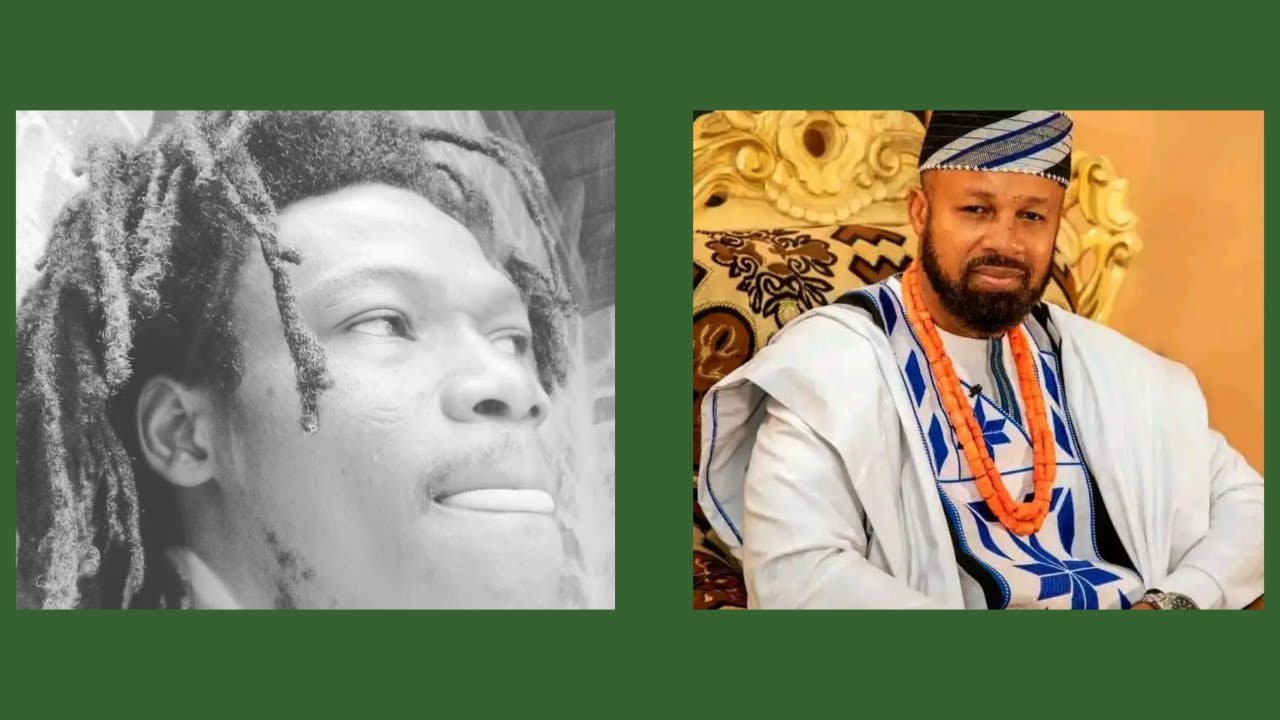
The 2025 Turning Point. When Bamidele Obaitan (from Okhe) was crowned as Okuodu III in 2024, the protests were louder than ever. Anni, Egbetua, and Ikpena quarters argued that the selection violated even the spirit of the existing (flawed) law, and that Ososo’s customs never supported perpetual monopoly.
On 13 November 2025, the new Edo State Governor, Senator Monday Okpebholo, revoked the appointment, declared the throne vacant, and ordered the quarters to produce a consensus candidate explicitly referencing “rotation principles” and the need to heal a wound that began over a century ago.
The Heart of the Matter.
The Ososo crisis is not just about one throne. It is a textbook example of how a single colonial administrative decision can scar a community for generations, turning brothers into rivals and rewriting history into grievance. For the first time in more than a hundred years, there is official acknowledgment that the original imposition may have been a mistake. Whether the quarters can now agree on a candidate and on a fair rotation system for the future, will decide if Ososo finally closes the wound the British opened in the hills a lifetime ago.
#Ososo
#OlosoOfOsoso
#OsosoCrisis
#EdoChieftaincy
#AkokoEdo
#ColonialLegacy
#OkuoduIII
#MondayOkpebholo
#OsosoThrone
#NigerianTraditionalRulers
#OsosoHistory
#EdoState
#ChieftaincyDispute
#RotationOfPower
#JusticeForOsoso

Информация по комментариям в разработке