update May 12 2018: I used a 16mp 1/2.3" (6.17mm by 4.55mm) sensor on a Xiaomi Yi sports action camera with lens removed, and mounted the camera body on a Nikon lens cap, achieved 1000 lines per frame height on a sunny breezy day at 1:00pm in the afternoon, heat waves were blurring the two pages of 8 /12" x 11" target at about 50 yards, took over a dozen photos, puts the lens at 220 lines per millimeter. image is on flickr,com: https://www.flickr.com/photos/3194291...
4233 lines per frame height if on a full frame sensor, my sensor in a full frame size, would equal 73 megapixels, approximately. for 4233 lines of resolution on a full frame sensor it would need about 107 megapixels if two pixel width were needed for one line of display. Generally, MTF allows for a greater average so a 66% MTF would be acceptable on a target image, where 2/3 of the lines being clear enough and 1/3 failing to display resolution, so 70 megapixel full frame sensor would capture similar center results. The Canon EOS 5DS R has 50.6 megapixels.
4536 is a closer number, I over sample the target, the edge of the frame should be at the inside edge of the border line, didn't see that in the view finder, I have to over sample the value by X 1.2 which equals 4536, if 1400 lines per frame height is the acceptable value. Crap factor of the Nikon 1 is X 2.7. So 1400 X 2.7 = 3780, times that by 1.2 = 4536 lines per frame height.
if my math is wrong please comment.
It looked like I was running out of pixels when I looked real close at the files.
Nikon 1 J1 Mirrorless introduces no vibration into the optical path system unlike a conventional penta prism mirrored focal plane shutter system does. Taken on a cloudy day. Over a grass lawn. Distance guess around 30 yards. Target was two sheets of bond paper width. White car behind target. Two black pieces of electrical tape were added to get the best of black, below center left and below center right. I shot a series of about 20-30 images, on a cloudy day, it went from clam to breezy, and bright cloud filtered sun shine to dense cloud covered sun, fully over cast, no blue sky, the worst images were of course from shaking, wind breeze, water vaporizing out of the grass during cloud filter sun shine, I could see the image moving in the screen, the best images were during cloudiness, dead clam after a firm breeze, when this image was likely taken. and of course focus, it's a manual focus lens, so multiple refocusing routines from one image to another.
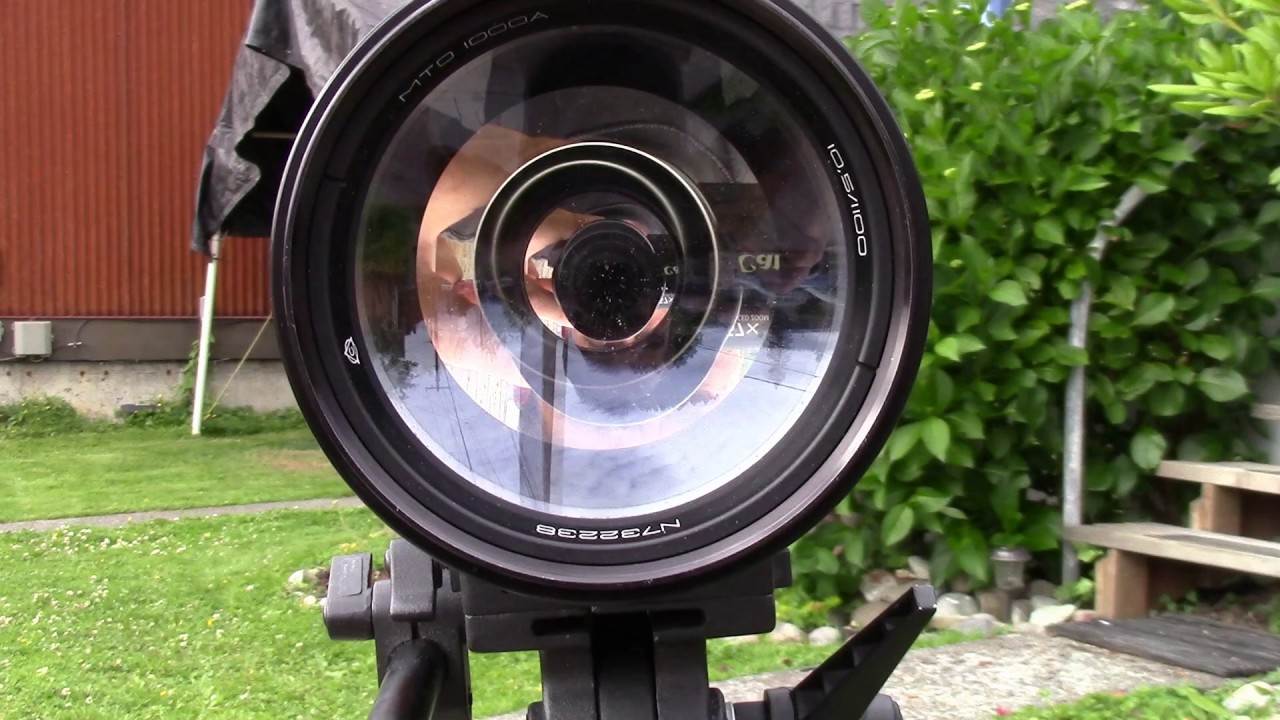
I use this lens for the Peregrine Falcons at Snoqualmie Falls, the lens can be found on Ebay for $200-500.

Информация по комментариям в разработке