Overcoming Despair: Escaping the Ziklag Trap
Scripture References
1 Samuel 27:1-12 ↗ ; Romans 7 ↗ ; 1 Samuel 23:2 ↗ ; 1 Samuel 30:7-8 ↗ ; 2 Samuel 6 ↗ ; 2 Timothy 3:16-17 ↗ ; Proverbs 3:5-6 ↗ ; Romans 11:29 ↗ ; John 10:10 ↗ ; Proverbs 12:22 ↗ ; 2 Corinthians 6:14 ↗ ; 1 John 1:9 ↗ ; Romans 5:8 ↗ Introduction
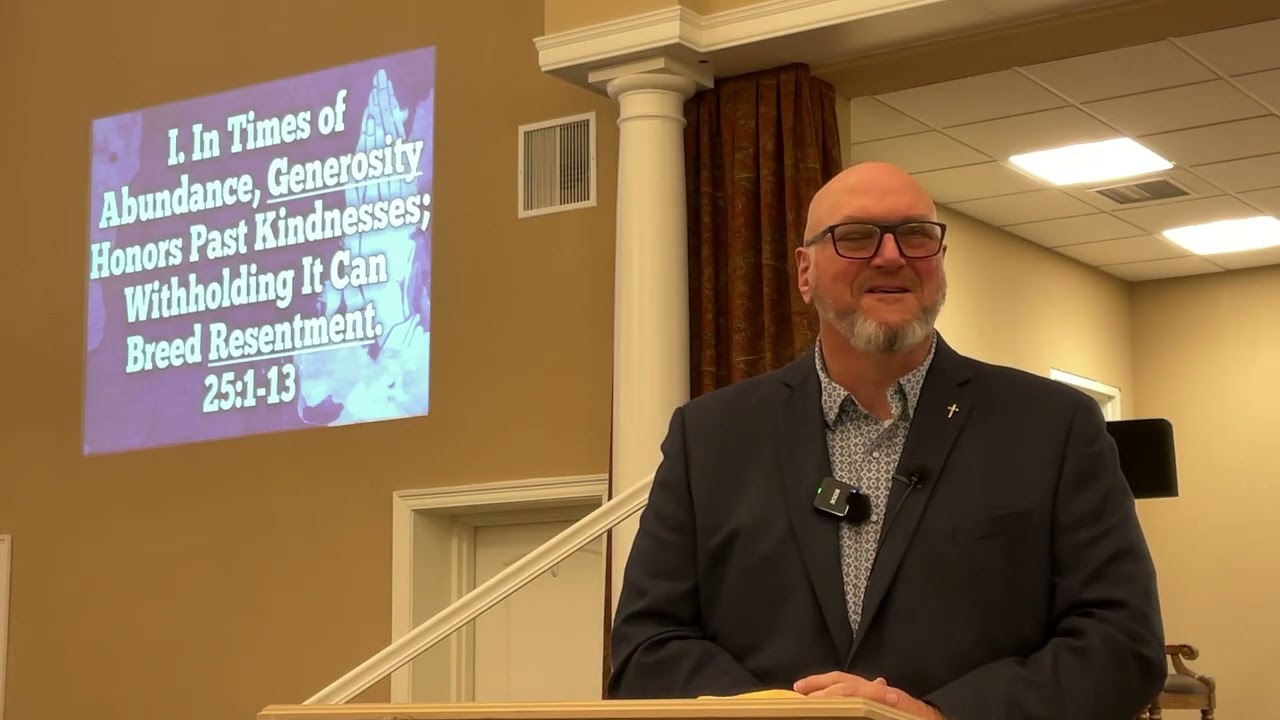
The pastor surveyed common spiritual enemies—apathy, self-righteousness, ignorance of Scripture—and identified a subtler giant: despair. Using 1 Samuel 27 ↗ , he traced how David, wearied by Saul’s pursuit, slipped into faith-eroding discouragement that birthed pragmatic, God-absent decisions. The sermon’s life-point: “Despair-driven decisions lead to compromise and a double life; instead of fleeing to the world, trust God’s promises.”Key Points / Exposition
1. A Decision Born of Despair (1 Samuel 27:1-3 ↗
)
•“David said to himself…”—internal reasoning replaced prayer.•Despair defined: prolonged trial + hopeless, self-directed logic.•Pragmatism’s dangers:
• Elevates human logic over Scripture’s sufficiency (2 Tim 3:16-17).
• Justifies unbiblical means for a perceived “greater good” (2 Sam 6 example).
• Breeds worldliness and erodes integrity, leading to seeker-friendly compromise.•Illustration: David fled to Gath, aligning with Israel’s arch-enemy rather than relying on prior divine deliverances.2. Ziklag’s False Peace (1 Samuel 27:4-7 ↗
)
•Saul stopped pursuing; David received the frontier town of Ziklag.•Outward relief masked inward exile—16 months with no recorded psalm or worship.•“Relief without repentance is relocation from God’s presence.”•The “Ziklag slide:” temporary comfort + distance from accountability = spiritual stagnation.3. Raids, Lies, and No Survivors—“Ziklag-gate” (1 Samuel 27:8-12 ↗
)
•Entrenched habit: David routinely annihilated local tribes, leaving no witnesses.•Motivation: self-preservation, not holy war; he deceived Achish to appear loyal.•Spiral of compromise: unbelief ➜ deception ➜ violence ➜ deeper deceit.•Achish’s misjudgment (“He will be my servant forever”) ignored God’s irrevocable call on David (Rom 11:29).4. God’s Mercy Amid the Compromise
•Though David lived a double life, God preserved him, proving mercy outweighs failure.•The cross is ultimate evidence: while sinners, Christ died for us (Rom 5:8).Major Lessons & Revelations
•Despair is a faith-corroding enemy that tempts believers to rely on self rather than God.•Pragmatism, unmoored from Scripture, inevitably clashes with God’s holiness.•Temporary peace attained through compromise produces spiritual barrenness.•God’s steadfast love pursues His people even in their lowest, restoring those who repent.Practical Application
1.Pause at the first sign of despair; replace “self-talk” with prayerful inquiry.2.Hold every decision against the authority and sufficiency of Scripture.3.Refuse “quick-fix” compromises—unequally-yoked partnerships, half-truths, secret sins.4.Recall past deliverances to strengthen present faith.5.If already in a Ziklag season, repent immediately (1 John 1:9 ↗ ) and re-engage in worship, Scripture, and accountable fellowship.Conclusion & Call to Response
The message climaxed with an invitation: do not let despair drive you deeper into hiding. God does not deal with us according to our failures but according to His mercy. Whether needing salvation or restoration, step out of secrecy, trust Christ, and walk in integrity.Prayer
Opening intercession: petitioned God to comfort those in prolonged trials, reminding them of Christ’s promise never to leave nor forsake.
Salvation prayer: confessed sin, acknowledged Christ’s death and resurrection, asked Jesus to become Lord, and sought new life and forgiveness.References & Resources
•R.C. Sproul on “pragmatism of expediency over righteousness.”•Illustration: “Ziklag slide” compared to the repetitive “Electric Slide” line dance—movement without progress.















Информация по комментариям в разработке