Interest in online dating peaked at a five-year high this summer, according to Google Trends, which tracks popular user search requests.
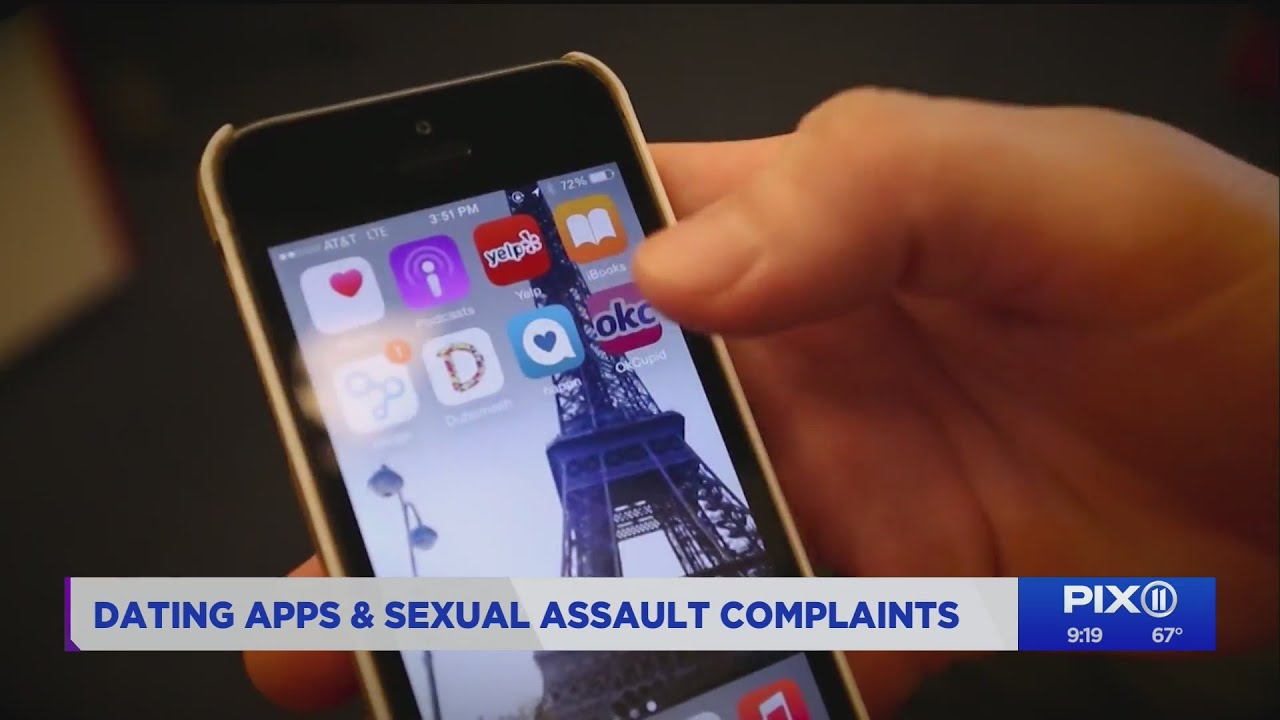
But, a recent report from ProPublica and Columbia Journalism found online dating companies aren’t necessarily equipped to appropriately handle user complaints related to sexual assault allegations.
“They’ve just been garbage at actually having meaningful responses to victims who’ve reported violence on their apps,” said Carrie Goldberg, a Brooklyn attorney specializing in sexual privacy violations.
Goldberg consulted on the ProPublica report, which revealed dating platforms often hire low-paid "content moderators" to respond to sexual assault complaints. These employees have no special training and must meet hourly quotas.
Also uncovered in the report was a pattern of unanswered complaints or boilerplate responses, which Goldberg said can traumatize victims a second time.
The majority of online dating platforms are owned by Match Group -- including Match, OkCupid, Tinder, Hinge, Plenty of Fish, and Our Time -- representing about 90% of the online dating market. Bumble is the second-most popular dating app and is not owned by Match Group.
“Bumble, by far, is leagues ahead of the other apps,” said Goldberg. “We’ve just found them to be so much more responsive.”
Regardless of the platform, where there’s a will, there’s a way.
“We’ve seen, even within Match Group, where if somebody gets banned on one Match product, like OkCupid, they might come create a profile on Tinder,” explained Goldberg.
But it’s rare for any company to be held legally responsible for a user’s offline actions. Goldberg blames that partly on an often-cited portion of the 1996 Federal Communication Decency Act - Section 230 - which shields website hosts from claims related to user-posted content.
PIX11 reached out to Bumble and Match Group for comment. Match Group declined to give an interview or answer any questions. Instead, the company directed us to it’s safety policies, which include an online network of tools to detect fraud, verify user identity, and flag inappropriate behavior. Match Group said each brand has a robust customer care team that reports serious violations to a centralized safety repository.
Bumble did answer PIX11’s questions. The company told us its default policy is to believe the victim or survivor, and immediately ban the accused from the platform while it investigates. Bumble said any harassment or assault complaint is routed to its dedicated safety support team, which can also provide information about counseling services and law enforcement.
Goldberg, however, isn’t quite sold. “Don’t trust the app,” she said. “Don’t trust that they’re doing anything to prevent predators and abusers from being there.

Информация по комментариям в разработке