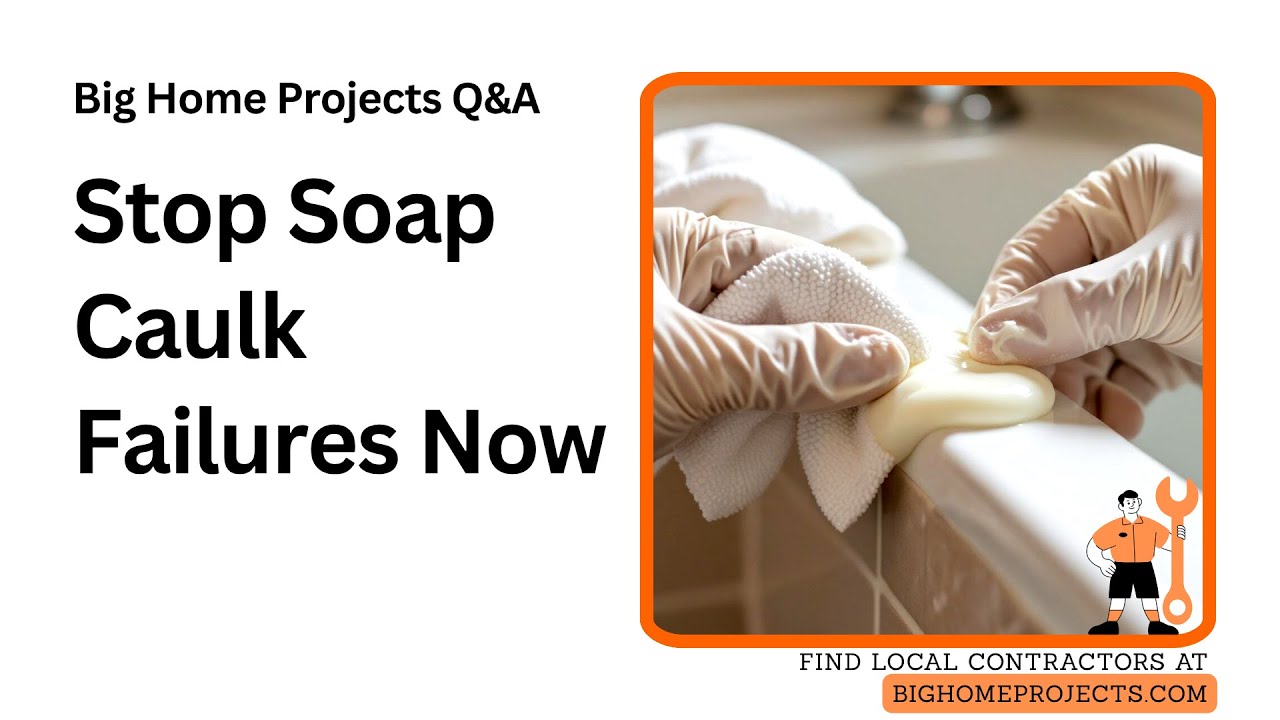
Using soap and water to smooth silicone caulk can reduce adhesion and cause seal failure, so learn proper silicone caulking techniques like working on clean, dry surfaces, tooling with a dry finger or tool, using a backer rod for larger gaps, and following manufacturer temperature and cure-time guidelines for durable bathroom and kitchen waterproofing. This guide covers silicone caulk bonding issues, caulk application tips, surface preparation steps, troubleshooting common caulking mistakes, and best practices for sealing tubs, showers, sinks, windows, and exterior joints to prevent leaks and mold.
About Us
At BigHomeProjects.com, we are dedicated to connecting homeowners and investors with reliable contractors across a wide range of trades. Our comprehensive website directory provides detailed information on each contractor, including their licenses, insurance, bonding status, accepted payment methods, and specific services offered. We feature a diverse selection of specialists, including HVAC, fencing, landscaping, concrete, septic systems, handyman services, general contracting, windows installation, roofing, and many more. Whether you need a plumber, electrician, or any of these other trades, our platform makes it easy to find the right professional for your project. With a focus on transparency and trust, we empower customers to make informed decisions while ensuring that contractors can showcase their expertise and reach potential clients effectively.
Recommended Links:
Contractor Directory Website: https://www.bighomeprojects.com/
List your Business with Us: https://bighomeprojects.com/add-listi...
Subscribe to our Newsletter: https://acumbamail.com/newform/web/Yh...
silicone caulk tips, caulk tooling technique, avoid soap residue, caulk surface preparation, backer rod use, bathroom caulking guide, waterproof seal best practices, caulk curing conditions, tool caulk dry finger, caulk adhesion troubleshooting
Информация по комментариям в разработке