About the Guest(s):
Dr. Leah Kelley is a distinguished neurodivergent education consultant, author, activist, educator, and parent. With 25 years of experience as a public school teacher, her roles have included primary teacher, inclusion resource teacher, and SEL Mental Health helping teacher. Leah is known for her national and international presentations on neurodiversity, advocacy, and inclusion, as well as her popular blog “30 Days of Autism.” She is a sought-after speaker recognized for her storytelling and practical wisdom, encapsulated in her book “The Person Who Arrives: Connecting Disability Studies to Educational Practice for Teachers, Parents, and Others.”
Dr. Kari Gustafson is an instructor and researcher specializing at the intersection of neurodiversity, disability studies, education, and role-playing games. Kari holds a Ph.D. in Philosophy of Education from Simon Fraser University, where their dissertation delved into relationality and inclusion within role-playing games like D&D. Currently a faculty member in the Disability and Community Studies program at Douglas College, Kari brings a unique perspective to educational practices that prioritize strength-based collaboration and inclusivity.
Episode Summary:
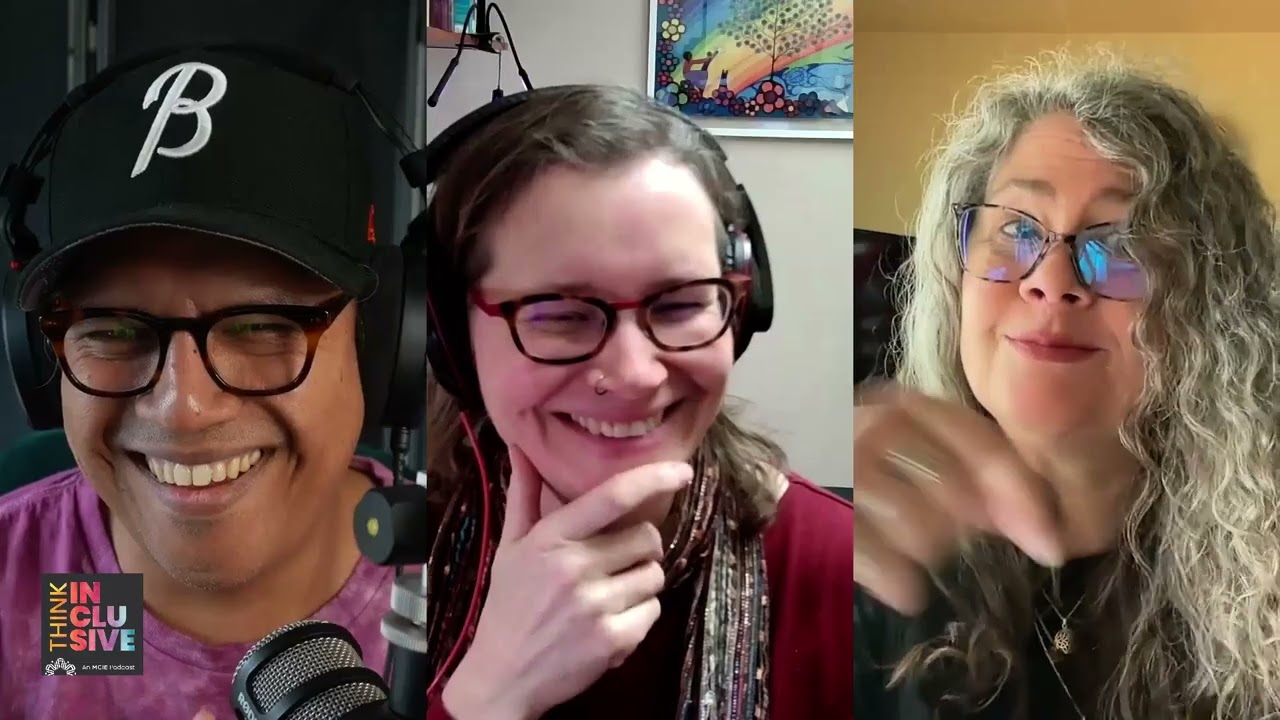
In this episode of Think Inclusive, host Tim Villegas engages in a thought-provoking discussion with Dr. Leah Kelley and Dr. Kari Gustafson. The conversation delves into the importance of play and creativity within the context of inclusion, education, and disability studies. As advocates for neurodiversity, Leah and Kari offer insightful perspectives on how play can be an essential tool for both personal growth and collaborative learning, especially for individuals with disabilities.
Dr. Leah Kelley and Dr. Kari Gustafson share their journey in developing a narrative podcast that explores themes of play and creativity. They discuss how societal pressures often deprioritize play for children, especially those with disabilities, in favor of structured therapies. The episode highlights the significance of reclaiming play as a powerful tool for imagination and transformation. By fostering inclusive spaces where strengths are celebrated and collaboration is encouraged, educators and parents can facilitate environments where children—and adults alike—thrive.
Throughout the episode, the guests emphasize the role of play in fostering inclusivity and creativity in educational settings. Dr. Kari Gustafson’s research into role-playing games like D&D illustrates how structured play can create supportive community dynamics where diverse strengths are valued. Listeners are encouraged to reflect on how embracing play can lead to more inclusive, joyful, and engaged learning environments for everyone.
Complete show notes and transcript: https://mcie.org/think-inclusive/expl...
Key Takeaways:
-Play is a vital tool for imagination, personal growth, and collaborative learning in neurodiverse and inclusive settings.
-Societal pressures often replace play with structured therapies, particularly for children with disabilities, emphasizing the need to reclaim play.
-Role-playing games, such as D&D, offer collaborative storytelling experiences that promote inclusivity and value diverse strengths.
Embracing play can lead to increased joy and energy, benefiting personal well-being and educational outcomes.
-Facilitating inclusive environments that prioritize creativity and play helps individuals thrive and fosters strength-based collaboration.
Resources:
Leah’s blog: https://30daysofautism.blog/
Kari’s LinkedIn: / kari-gustafson-78083435
Thank you to our sponsor, IXL: https://ixl.com/inclusive

Информация по комментариям в разработке