PODCAST:
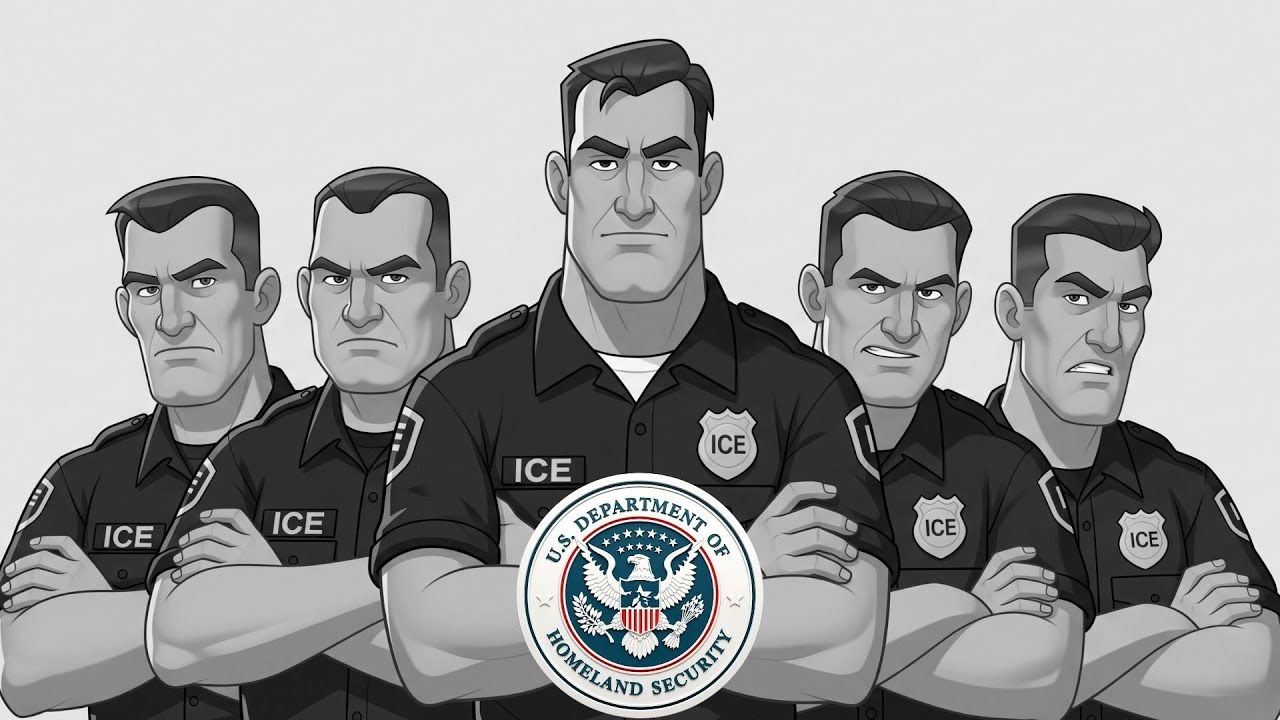
U.S. Immigration and Customs Enforcement (ICE) is a federal agency under DHS responsible for enforcing immigration laws and combating cross-border crime. Today, ICE faces scrutiny over detention practices, immigration policies, and its role amid ongoing political debates on immigration reform in America.
PLEASE SUBSCRIBE FOR MORE LEGAL PODCASTS.
Immigration and Customs Enforcement (ICE) is a federal law enforcement agency under the Department of Homeland Security responsible for enforcing immigration laws and investigating crimes related to border security, customs, trade, and immigration.
History
ICE was created in 2003 following the September 11 attacks as part of the largest government reorganization since World War II. The agency consolidated functions from the former Immigration and Naturalization Service (INS) and U.S. Customs Service. This restructuring aimed to improve national security by unifying immigration enforcement and customs operations under the newly formed Department of Homeland Security.
How ICE Works
ICE operates through two main divisions:
Homeland Security Investigations (HSI) investigates transnational crimes including human trafficking, drug smuggling, cybercrime, and trade fraud. HSI is ICE's largest investigative arm, working both domestically and internationally.
Enforcement and Removal Operations (ERO) focuses on identifying, arresting, and removing individuals who violate immigration laws. ERO manages detention facilities and coordinates deportations, prioritizing individuals with criminal records, recent border crossers, and those who have violated removal orders.
The agency works with local law enforcement through programs like 287(g), which allows trained local officers to perform certain immigration functions, and maintains a network of detention centers across the country.
Trump Administration Challenges and Controversies
The Trump administration significantly expanded ICE operations, leading to numerous controversies:
Increased Enforcement: ICE arrests rose dramatically, including individuals with no criminal record beyond immigration violations. The administration ended many Obama-era priorities that focused primarily on serious criminals.
Workplace Raids: Large-scale workplace enforcement operations increased substantially, including highly publicized raids at meatpacking plants and other facilities that resulted in hundreds of arrests.
Family Separation: ICE's role in the controversial family separation policy at the border drew intense criticism. The agency was involved in transferring separated children to different facilities.
Sanctuary Cities: ICE frequently clashed with local jurisdictions that limited cooperation with immigration enforcement, leading to public disputes and legal battles.
Detention Conditions: Reports of poor conditions in ICE detention facilities, including inadequate medical care and family separations, sparked investigations and lawsuits.
Public Criticism: ICE faced unprecedented public scrutiny, with some political figures calling for the agency's abolition. The "Abolish ICE" movement gained traction among progressive activists and some Democratic politicians.
Legal Challenges: Numerous court cases challenged ICE practices, including prolonged detention, due process violations, and targeting of individuals in sensitive locations like schools and hospitals.
The agency defended its actions as necessary law enforcement, arguing it was simply enforcing existing immigration laws more rigorously. However, critics argued the expanded enforcement created fear in immigrant communities and separated families unnecessarily.
These controversies continue to shape debates about immigration enforcement, with ongoing discussions about ICE's role, methods, and the broader U.S. immigration system.
#ice #immigrationcustomsenforcement #homelandsecurity #trump

Информация по комментариям в разработке