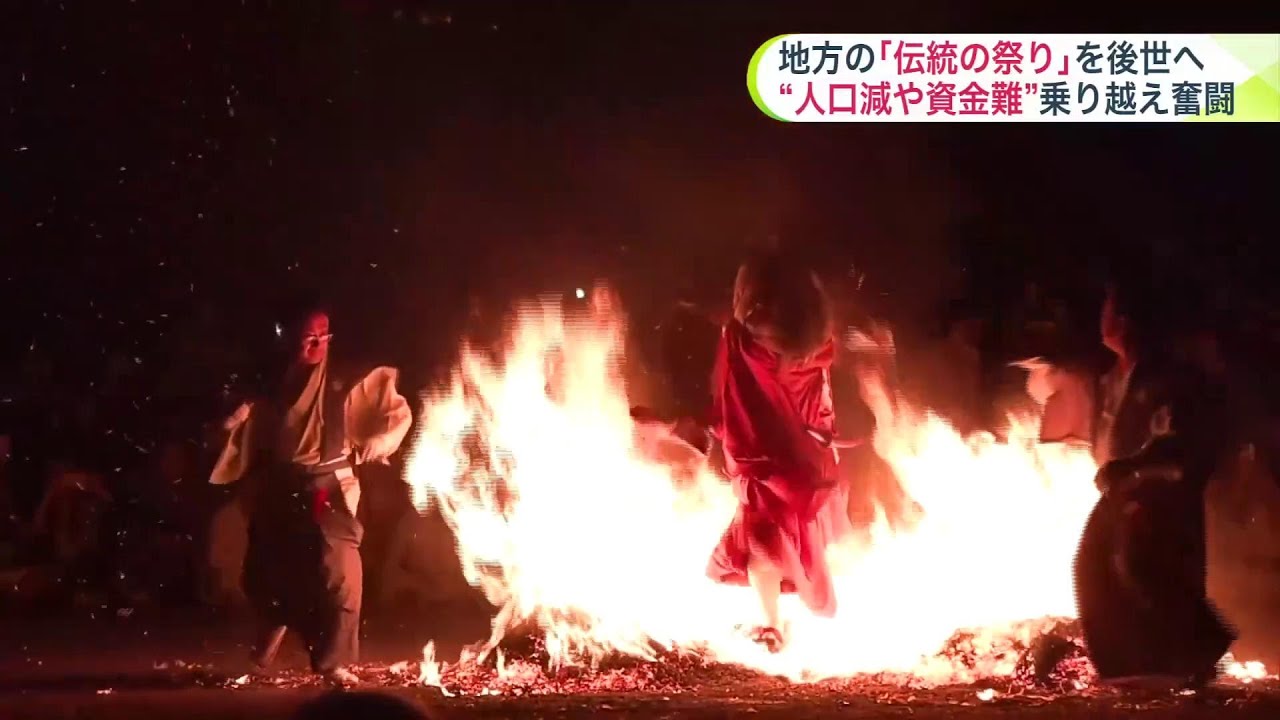
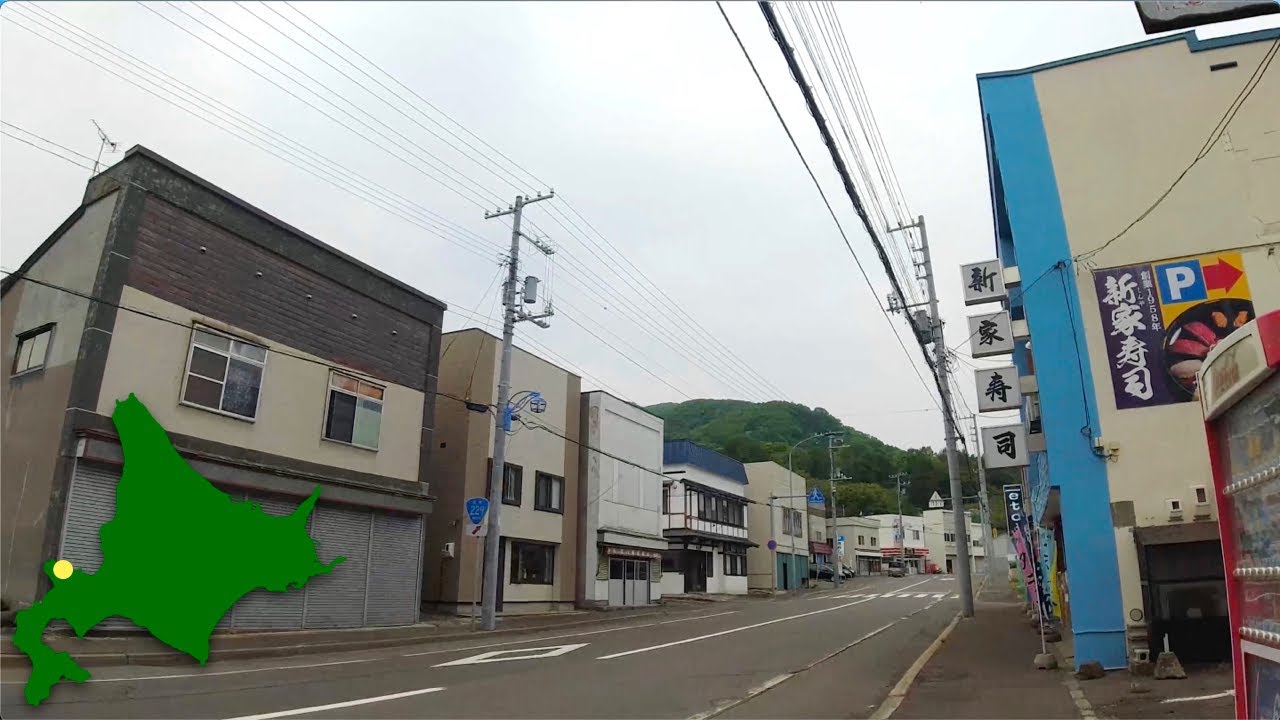
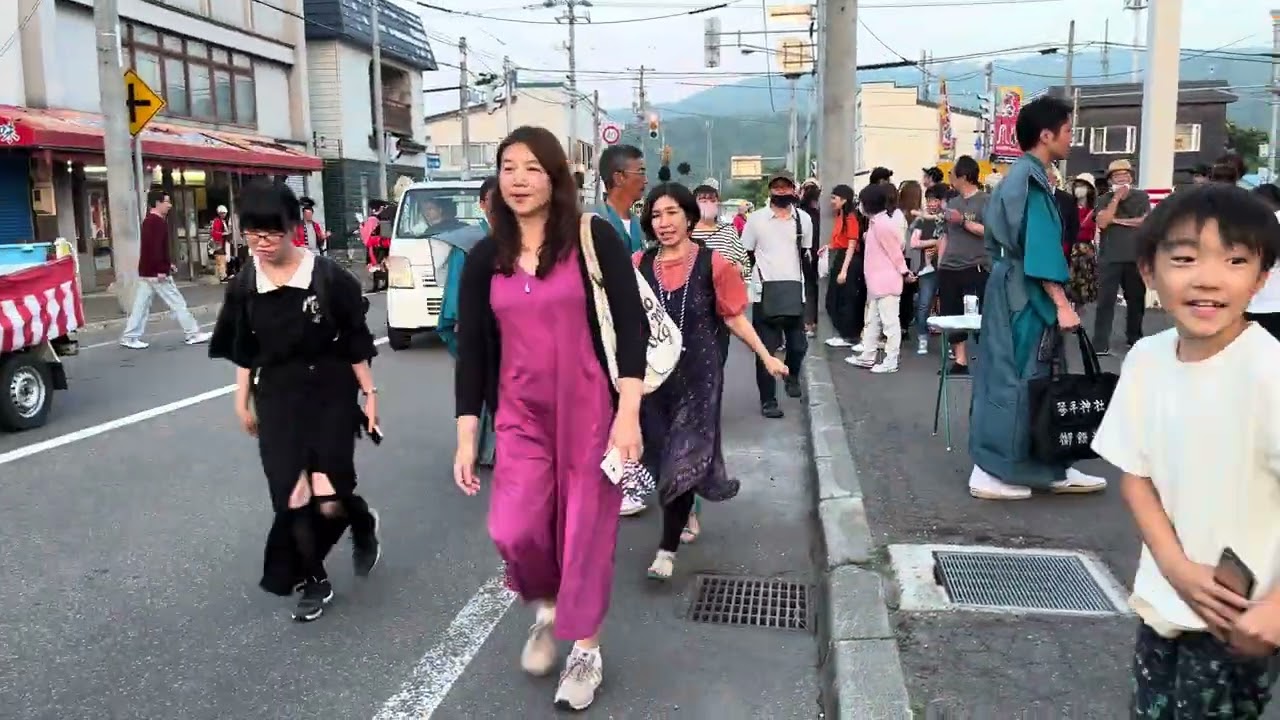
2323年:令和五年琴平神社例大祭 古平武道館での浜四(銀座)町内会の献酒
猿田彦神は一本歯の足駄を履いて歩きます。
Sarutahiko-God walks wearing single-toothed ASHIDA.
사루타 히코신은 한 치아의 소용돌이를 신고 걷습니다.
日本では古くからの履き物として、草鞋、足駄や下駄、草履があります。
Traditional Japanese footwear includes straw sandals, footwear, geta, and zori.
일본에서는 옛부터의 신발로서 쿠사나리, 아시다나 나막신, 쿠사이가 있습니다.
足駄と下駄の材料は木です。足に触れる部分の素材は軽量で抗菌性のある「桐」、地面に触れる「歯」の材料は、軽軟、耐久性は低いが均一で狂いが少ない「朴」です。
Footwear and clogs are made of wood. The material for the part that touches the foot is lightweight and antibacterial "paulownia", and the material for the "teeth" that touches the ground is "paulownia", which is light, soft, and has low durability, but is uniform and has little deviation.
아스카와 나막신의 재료는 나무입니다. 다리에 닿는 부분의 소재는 경량으로 항균성이 있는 「오동나무」, 지면에 접하는 「치아」의 재료는, 경연, 내구성은 낮지만 균일하고 미치지만 적은 「박」입니다.
足駄と下駄そして草履は、足の第1指と第2指の間に、麻紐、綿、布でできた「鼻緒」を挟んで歩きます。
Footwear, geta, and zori are worn with a "hanao" made of linen, cotton, and cloth sandwiched between the first and second toes.
아다낭과 나막신 그리고 초신은 다리의 제 1 손가락과 제 2 손가락 사이에 마끈, 면, 천으로 만든 "하나오"를 사이에 두고 걸어갑니다.
足に触れる部分の素材は軽量で抗菌性のある「桐」、地面に触れる「歯」の素材は柔らかく歪みの少ない素材「朴」です。
The material of the part that touches the foot is lightweight and antibacterial "paulownia", and the material of the "teeth" that touches the ground is hard and hard to scrape "Magnolia".
다리에 닿는 부분의 소재는 경량으로 항균성이 있는 「오동나무」, 지면에 접하는 「치아」의 소재는 딱딱하고 깎기 어려운 소재 「호오노키」입니다.
韓国で日本人のことを「チョッパリ」と言うのは、「鼻緒」に合わせて、つま先が第1指と第2〜5指で分離された「足袋」を履くからです。
한국에서 일본인을 「초파리」라고 하는 것은, 「하나오」에 맞추어, 발가락이 제1 손가락과 제2~5손가락으로 나뉘어진 「타비」를 신기 때문입니다.
In Korea, Japanese people are called ``choppari'' because they wear ``tabi'', which is divided into 1st and 2nd to 5rd toes to match ``hanao''.
第1指と第2指で足駄を保持して歩くので、接地時に前足部が水平に固定されます。
Since the first and second toes hold the ASHIDA while walking, the forefoot is horizontally fixed when the foot touches the ground.
제 1 손가락과 제 2 손가락으로 다리를 잡고 걷기 때문에 접지시 앞발 부분이 수평으로 고정됩니다.
「鼻緒」が緩く伸びるた時には足から外れるので、第1指と第2指で強く鼻緒と足駄を掴みながら歩くので、足と足指の筋肉が鍛えられるので、外反母趾の予防になると考えます。
When the "hanao" is loosely stretched, it comes off the foot, so the first and second toes grip the hanao and the ASHIDA while walking, which strengthens the muscles of the feet and toes, and is thought to prevent bunions.
「하나오」가 느슨하게 늘어났을 때에는 다리로부터 벗어나므로, 제1 손가락과 제2 손가락으로 강하게 하나오와 소용돌이를 잡으면서 걷기 때문에, 다리와 발가락의 근육이 단련되기 때문에, 외반 모지의 예방이 된다고 생각합니다.
Информация по комментариям в разработке