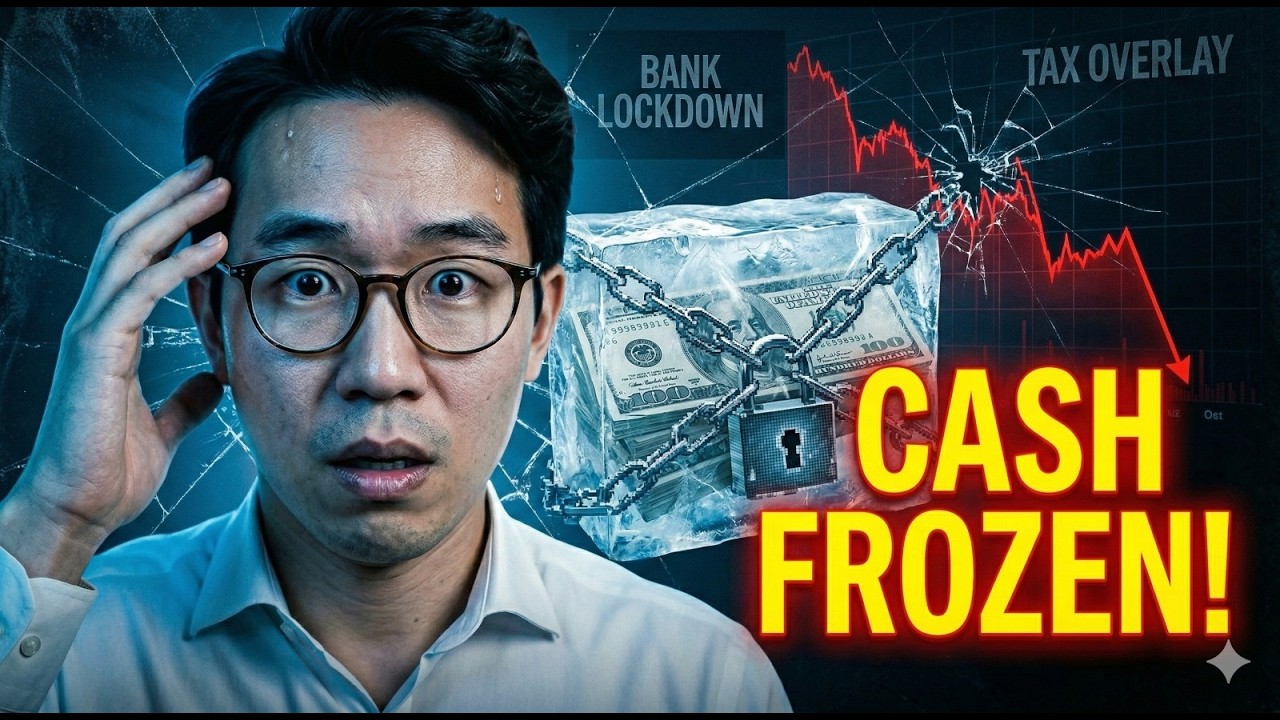
In this episode of Market & History, examines a major shift happening in the U.S. financial system in 2026 — the growing use of transaction freezes, expanded reporting rules, and new tax policies that are changing how Americans access their own money.
Across multiple states, updated Safe Harbor laws now allow banks to temporarily freeze certain transactions when they suspect potential financial exploitation. At the same time, new federal tax rules and reporting thresholds are reshaping international transfers, payment apps, and small business income reporting. Individually, each policy was introduced to prevent fraud, improve compliance, and reduce financial crime. But together, they are creating unexpected friction for ordinary customers.
This video does not promote fear or distrust. Instead, it provides a structured, research-based breakdown of how these rules work in practice and how they may affect seniors, immigrants, small business owners, and middle-class households.
📊 In this analysis, you will learn:
• What Safe Harbor laws are and how transaction freezes operate
• How behavioral pattern monitoring and AI fraud detection work
• Why certain transfers trigger automated reviews
• The impact of account freezes on fixed-income households
• How IRS levy authority functions under federal law
• What the new international cash transfer excise tax covers
• How digital transfers differ from cash-funded transfers
• Why Form 1099-K reporting thresholds are changing
• The risks of joint accounts and garnishment exposure
• How dormant account rules and escheatment operate
The discussion connects state-level banking immunity laws, federal anti-money laundering regulations, IRS enforcement authority, and digital reporting systems into one broader picture. It also explains why banks are increasingly prioritizing regulatory compliance and liability protection over transaction speed.
This is not a claim of system failure or collapse. It is a structural analysis of how digital finance, fraud prevention, and tax enforcement are converging. The shift toward AI-based monitoring has improved fraud detection in many cases, but it has also increased the number of temporary freezes and false positives.
The goal of this video is clarity — understanding how legal frameworks like the Bank Secrecy Act, IRS levy powers, Safe Harbor statutes, and payment-app reporting rules intersect with everyday banking activity.
⚠️ IMPORTANT EDUCATIONAL DISCLAIMER
This video is provided strictly for educational and informational purposes only.
Nothing in this content constitutes legal advice, financial advice, tax advice, or a recommendation regarding any banking decision, transaction method, or asset. Abdul Kabir is not acting as a licensed attorney, financial advisor, tax professional, or regulatory authority.
All information discussed is based on publicly available legislation, regulatory guidance, and reported enforcement data available at the time of production. Laws and enforcement practices may change, and individual circumstances vary.
Viewers should conduct independent research and consult qualified professionals before making financial, legal, or tax decisions.
This video does not encourage avoidance of taxes, circumvention of financial regulations, or non-compliance with applicable laws.
🔍 Why this topic matters
As banking becomes increasingly digital, financial access is becoming more conditional. Understanding how monitoring systems, reporting thresholds, and compliance frameworks function helps individuals better navigate the system without panic or misinformation.
Market & History focuses on analyzing economic systems through law, data, and institutional structure — not speculation.
🔔 Stay informed
If you value structured, research-driven analysis of markets, policy, and financial systems, consider subscribing for future breakdowns.






Информация по комментариям в разработке