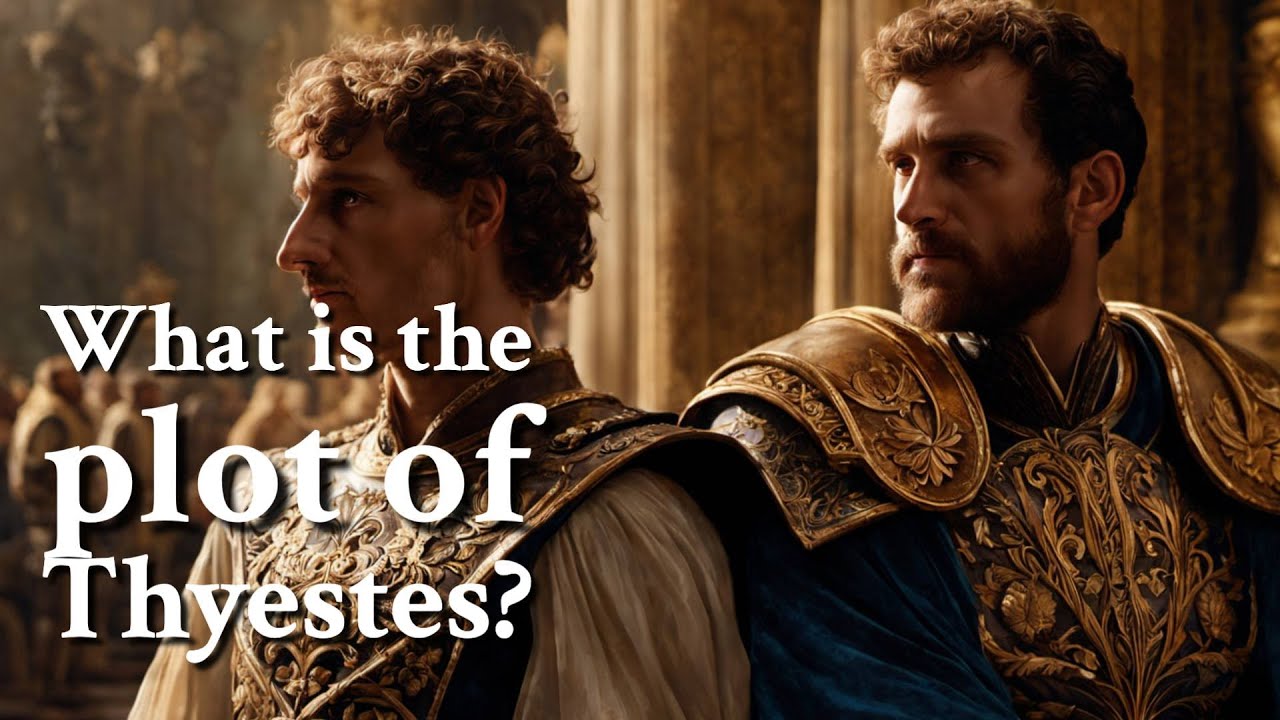
The plot of Thyestes revolves around the intense rivalry between the brothers Thyestes and Atreus, both of whom are vying for the throne of Argos. The play opens with Thyestes having been banished by his brother Atreus, who has seized power and exiled his sibling. Thyestes seeks revenge for his mistreatment and calls upon the gods to aid him in his quest. The gods answer his prayers, and the stage is set for a dramatic and tragic confrontation between the two brothers.
Atreus, now in control of Argos, is determined to exact revenge on his brother for seducing his wife Aerope. He devises a cruel and twisted plan to punish Thyestes, seeking to make him pay for the betrayal and regain his own power and prestige. Atreus pretends to reconcile with Thyestes and invites him back to the kingdom, offering him a lavish feast as a gesture of goodwill.
Unbeknownst to Thyestes, Atreus has a dark and sinister motive behind the feast. He has secretly murdered Thyestes's own children and plans to serve them to him as a cruel and bitter form of revenge. As Thyestes feasts at the table, he is unaware of the horrifying truth of what he is eating, believing that he is being welcomed back into the fold by his brother.
The tension and suspense build as Thyestes unknowingly consumes the flesh of his own offspring, while Atreus watches with a twisted sense of satisfaction. The tragic irony of the situation is palpable, as Thyestes is being unwittingly punished for his own past wrongdoing. The play delves into themes of vengeance, betrayal, and the destructive power of familial rivalries.
As Thyestes begins to suspect that something is amiss, the truth is revealed to him in a shocking and devastating manner. Horrified and distraught, Thyestes realizes the extent of his brother's cruelty and the depth of his own suffering. The play reaches a climax as Thyestes grapples with the unimaginable horror of what has transpired, and Atreus revels in his twisted triumph over his brother.
The tragic conclusion of the play sees Thyestes left broken and bereft, consumed by grief and guilt over the loss of his children. Atreus, on the other hand, emerges as the victorious but morally bankrupt ruler of Argos, having achieved his revenge at a devastating cost.
The plot of Thyestes is a harrowing and chilling tale of betrayal, vengeance, and the dark depths of human depravity. It delves into the darkest aspects of human nature, portraying the destructive consequences of unchecked ambition and the devastating impact of familial strife.
The play serves as a cautionary tale, warning of the dire consequences of allowing jealousy and resentment to fester and grow. It offers a stark and sobering commentary on the destructive power of revenge, demonstrating the tragic toll it can take on those who seek it and those who become its unwitting victims.
Thyestes stands as a powerful and haunting exploration of the human capacity for cruelty and the devastating consequences of unchecked ambition and unchecked power. It serves as a timeless and poignant reminder of the enduring impact of betrayal, vengeance, and the destructive power of familial rivalries.
Thank you for watching!
Subscribe to the channel, comment, like!
#myth #vis 1d04

Информация по комментариям в разработке