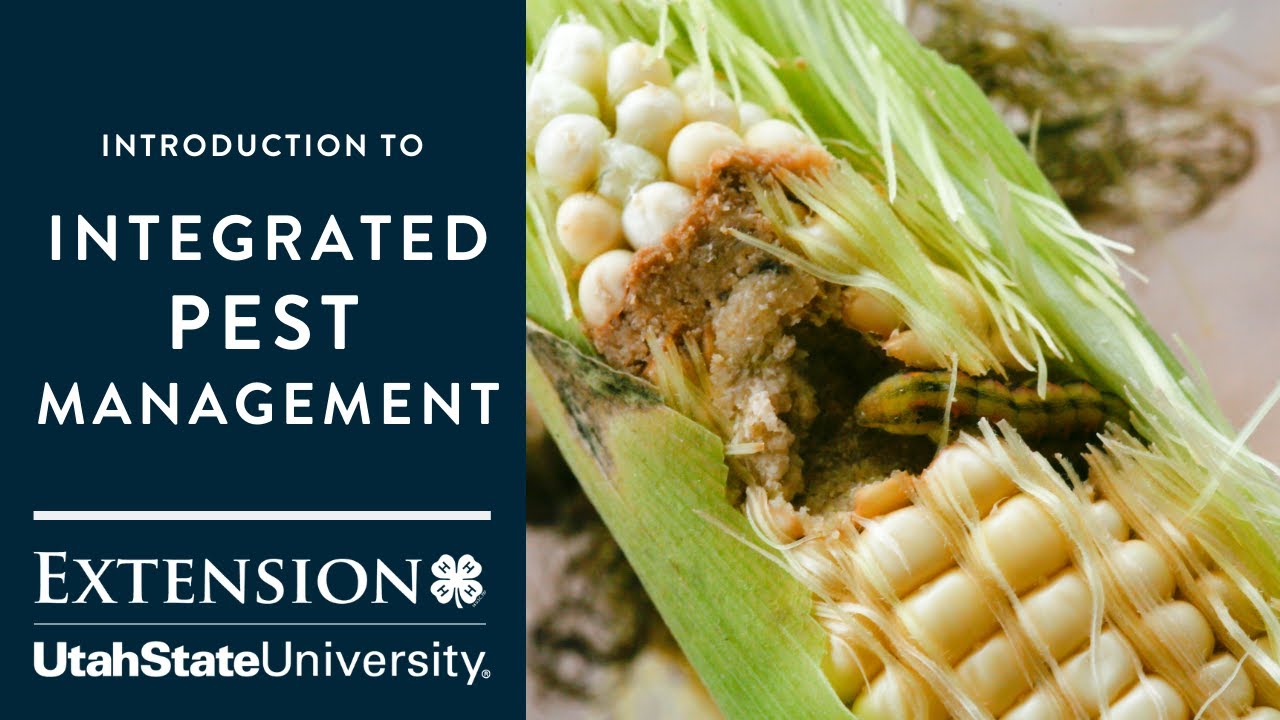
IPM(Integrated Pest Management) is an Ecosystem-Based strategy that focuses on long-term prevention of Pests or their damage through a combination of techniques such as Biological Control, Habitat Manipulation, Modification of Cultural practices, and use of resistant varieties.
Integrated Pest Management(IPM) is a Holistic approach to Sustainable Agriculture that focuses on managing Insects, Weeds and Diseases through a combination of Cultural, Biological and Habitat Manipulation measures that are Cost Effective, Environmentally Sound and Socially Acceptable. This includes the responsible use of Crop Protection and Plant Biotech Products.
WHAT IS A PEST??
Pests are organisms that damage or interfere with desirable plants in our fields and orchards, landscapes, or wildlands, or damage homes or other structures. Pests also include organisms that impact human or animal health. Pests may transmit disease or may be just a nuisance. A pest can be a plant(weed), vertebrate(bird, rodent, or other mammal), invertebrate(insect, tick, mite, or snail), nematode, pathogen(bacteria, virus, or fungus) that causes disease, or other unwanted organism that may harm water quality, animal life, or other parts of the ecosystem.
IPM programs combine management approaches for greater effectiveness:
The most effective, long-term way to manage pests is by using a combination of methods that work better together than separately. Approaches for managing pests are often grouped in the following categories:
Biological Control;
Biological control is the use of Natural Enemies—predators, parasites, pathogens, and competitors—to control pests and their damage. Invertebrates, plant pathogens, nematodes, weeds, and vertebrates have many natural enemies.
Cultural Controls;
Cultural controls are practices that reduce pest establishment, reproduction, dispersal, and survival. For example, changing irrigation practices can reduce pest problems, since too much water can increase root disease and weeds.
Mechanical and Physical Controls;
Mechanical and physical controls kill a pest directly, block pests out, or make the environment unsuitable for it. Traps for rodents are examples of mechanical control. Physical controls include mulches for weed management, steam sterilization of the soil for disease management, or barriers such as screens to keep birds or insects out.
ENJOY THIS EPISODE!!
#IntegratedPestManagement #IPM #BackToNature #BackToNatureOrganicFarms #BackToNatureAfrica
Connect With Us On our Social Media Platforms;
Instagram; / backtonatureafrika
-----------------------------------
FaceBook #1; / unpluggedjourney
FaceBook #2; / destiny.mastermind
------------------------------------
Twitter; / backtonatureaf
LIKE, COMMENT, SHARE, SUBSCRIBE....GRATITUDE!!!













Информация по комментариям в разработке