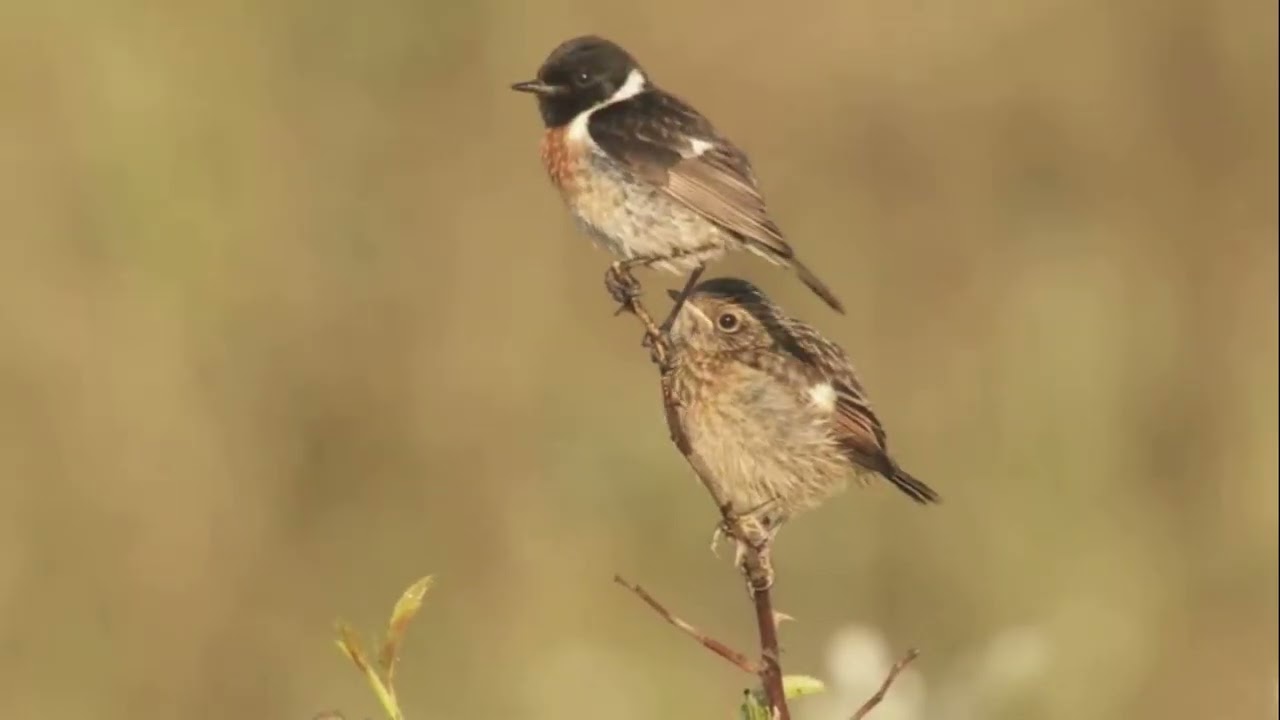
Muscicapidae is a family of birds commonly known as Old World flycatchers or chats. They are part of the order Passeriformes, which includes perching birds. Muscicapidae is a diverse family with over 300 species found primarily in Africa, Europe, Asia, and Australia. These birds are known for their insect-catching behavior, melodious songs, and a wide range of plumage patterns.
Old World flycatchers have a compact body with a slender bill and relatively long wings. Their plumage varies greatly among species, with colors ranging from earth tones such as brown and gray to vibrant shades of blue, red, and yellow. Some species exhibit distinct patterns, spots, or wing bars, adding to their visual appeal.
Muscicapidae species are insectivorous, and their diet consists mainly of insects, spiders, and other small invertebrates. They have excellent aerial agility and are skilled at catching flying insects in mid-air. These birds perch on exposed branches or fly out from a perch to snatch their prey and then return to the same or a nearby spot.
The family Muscicapidae includes various subgroups, such as true flycatchers, chats, and thrushes. Each subgroup has its unique characteristics and behaviors. True flycatchers, for example, are known for their aerial acrobatics, while chats often have a habit of perching on the ground or low vegetation.
Muscicapidae species are known for their melodious songs, which are used for communication, mate attraction, and territory defense. Male birds often sing from elevated perches, producing a variety of melodious and complex tunes. Some species have particularly elaborate and beautiful songs, adding to their appeal for bird enthusiasts and birdwatchers.
These birds construct cup-shaped nests, typically made of twigs, grass, and other plant materials. Nesting habits can vary among species, with some building their nests in trees, while others prefer crevices, rock ledges, or even holes in the ground. Both males and females participate in nest building and care for the eggs and young.
Conservation status within the Muscicapidae family varies among species and geographic regions. Some species face threats such as habitat loss, deforestation, and climate change. Efforts are being made to conserve their habitats and raise awareness about their ecological importance as insect controllers and songbirds.
In summary, Muscicapidae, or Old World flycatchers, are a diverse and captivating family of birds found across Africa, Europe, Asia, and Australia. With their insect-catching prowess, melodious songs, and a wide range of plumage patterns, they add vibrancy and beauty to the natural world. Whether seen flitting through the trees or heard serenading from a perch, these charming birds are a delight for bird enthusiasts and nature lovers.

Информация по комментариям в разработке