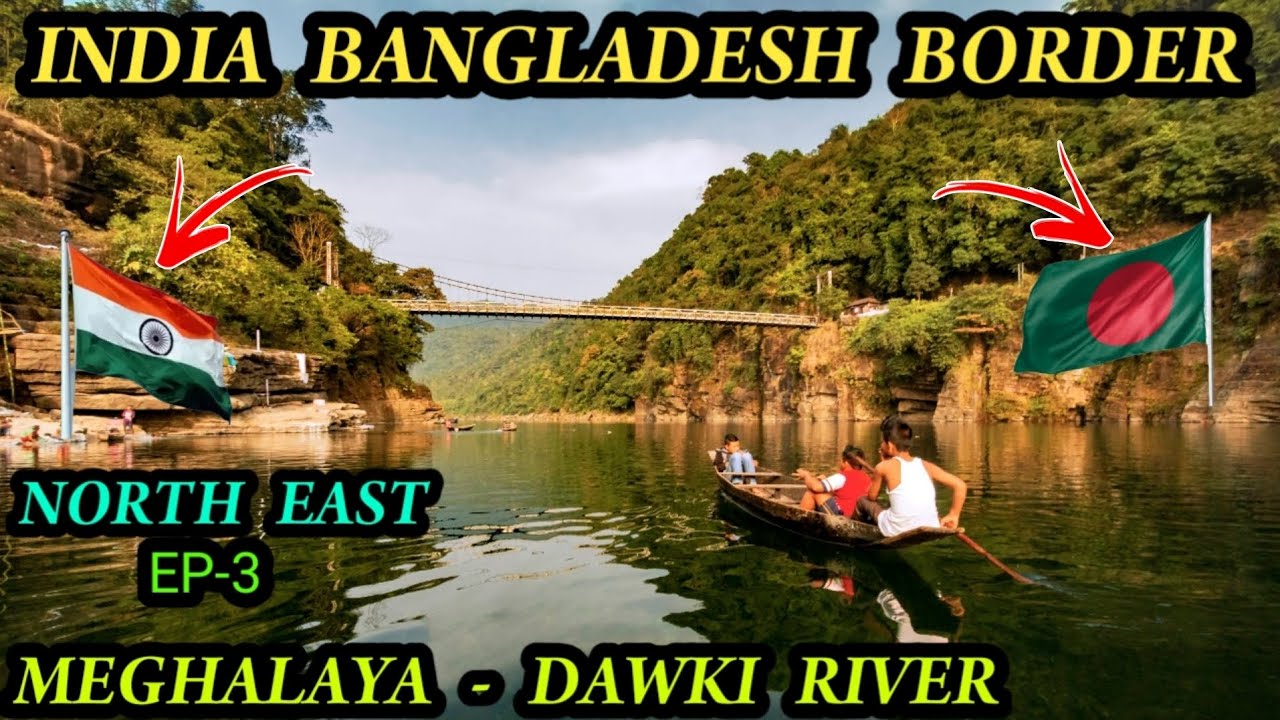
india bangladesh border, dawki river, meghalaya.
#indiabangladeshborder #dawkiriver #umngotriver #tamabil #meghalaya #jaintiahills #jaintia #dawki #shillong
Tribal life in meghalaya 👇🔗
• மேகாலயாவின் நிலச்சரிவு பகுதியில் வாழும் கா...
The Dawki River refers to the Umngot River, located near the town of Dawki in the West Jaintia Hills district of Meghalaya, India. It's one of the most scenic and pristine rivers in the country.
Key Features of Dawki River (Umngot River):
The river is famous for its incredibly transparent water. Boats floating on the river appear to be suspended in air because the water is so clear.
Lies close to the India-Bangladesh border.
The Dawki-Tamabil border crossing is nearby.
Boating is the most popular activity here. The river flows between lush green hills and large rock formations.
November to April is ideal, especially post-monsoon when the water is calm and clear.
Fishermen from nearby Khasi villages can often be seen using traditional wooden boats.
The Dawki border, officially the Dawki Integrated Check Post (ICP) on the Indian side and Tamabil Land Port on the Bangladesh side, is one of the few road crossings between India (Meghalaya) and Bangladesh (Sylhet region). It lies near the scenic Umngot River at Dawki in West Jaintia Hills district.
The border is marked by a small concrete pillar numbered 1275, not gates or fences. Onlookers often remark that boats on the crystal-clear Umngot River appear to float in mid-air because the water is so transparent .
It’s a peaceful, open crossing point with welcoming interactions—tourists, locals, and even vendors sometimes casually cross to sell goods and exchange selfies across the line .
Separate immigration and customs offices on both sides.
Operational since roughly 2018 as an ICP, the port spans around 23 acres and facilitates significant trade including limestone, coal, vegetables, dry fruits and more .
In recent fiscal 2023–24, it managed over 158,000 cargo movements and nearly 87,000 passengers .
At peak times, about 500 trucks may cross daily, often causing congestion on the single access road .
However, fencing or advanced border surveillance remains minimal, and locals describe the atmosphere as relatively informal—no gates, just the concrete milestone and traveling people on both sides .
Respect the border—never attempt to physically cross over the pillar for photos; BSF personnel enforce the line strictly.
The route from Shillong to Dawki is winding and may be rough; hire a reliable vehicle and driver .
Location Dawki (India) ↔ Tamabil (Bangladesh)
Border Marker Concrete pillar numbered 1275
Border Type Integrated Check Post (ICP)
Operating Hours ~ 9 AM to 5 PM daily (subject to disruption)
Processing Times Pedestrians: 1–2 hrs; Vehicles: 3–5 hrs
Trade Volume ~158,800 cargo movements in 2023–24
Primary Exports Coal, limestone, vegetables, dry fruits
Infrastructure Basic immigration, customs, limited amenities
Visitor Interaction Friendly, open vibe but no trespassing allowed
Safety Notes BSF security present; small-scale smuggling happens
Best Visiting Season Post‑monsoon to winter (Novemindust
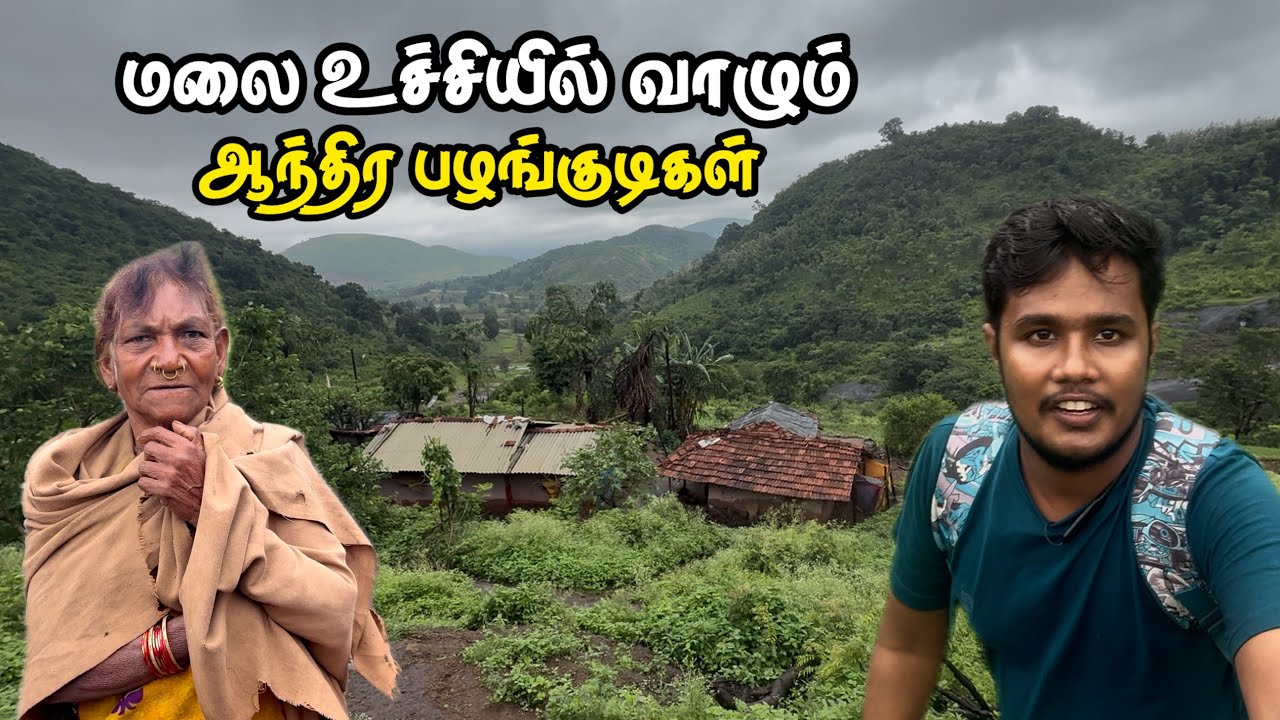
The Jaintia tribes (also spelled Pnar or Synteng) are one of the major indigenous communities in Meghalaya, India. They primarily inhabit the Jaintia Hills region in the eastern part of the state.
Region East & West Jaintia Hills, Meghalaya
Language Pnar (closely related to Khasi)
Religion Traditionally animistic; now includes Christianity
Ethnic Group Subgroup of the Khasi-Jaintia people
Society Type Matrilineal (lineage and inheritance through mother)
Traditional Headgear Bamboo hats and ornaments made of silver and beads
Matrilineal System: Property and clan identity pass through the female line. The youngest daughter inherits family property.
Clan-Based Society: Each person belongs to a clan (kur), with strict marriage rules (no intra-clan marriage).
Music & Dance: Rich in folk songs and dances like Laho dance (performed by both men and women).
Occupations & Economy
Mostly agriculture-based—grow rice, betel nuts, oranges, and turmeric.
Weaving, bamboo craft, and pottery are common cottage industries
Some are involved in limestone and coal mining, especially in areas like Dawki and Amlarem.
Asia's cleanest river, dawki river in meghalaya, india bangladesh border in dawki, umngot river in meghalaya, jaintia tribes in meghalaya, jaintia hills in meghalaya, India bangladesh border village in meghalaya, India's last village in meghalaya, dwki rivet boating in meghalaya, cleanest river in india, jaintia tribal village in meghalaya, dawki village in meghalaya, west jaintia hills in meghalaya, India's last village in meghalaya, border village in meghalaya, tribal village in meghalaya, jaintia tribe, tribal house, tribal, tribals.





Информация по комментариям в разработке