Picture this: the most isolated inhabited landmass on Earth, a triangular volcanic island where nearly 900 colossal moai sentinel figures stand guard amid craters, rocky shores, and ancient quarries—each carved by Polynesian artisans centuries ago and preserved within a living landscape managed by its indigenous heirs.
Rapa Nui National Park (Parque nacional Rapa Nui) was established by Chile in 1935 and inscribes much of Easter Island’s 163.6 km² landmass under protection. On 22 March 1996, UNESCO designated it a World Heritage Site for its “powerful, imaginative and original” monumental sculpture and architecture, meeting cultural criteria (i), (iii), and (v). Since 1 December 2017, the park has been administered by the Ma‘u Henua Indigenous Community, marking the first time its Rapa Nui custodians regained authority over ancestral lands—and today park revenues directly fund heritage conservation and local development.
Geographically, the island sits 3,700 km west of continental Chile and forms the eastern boundary of Polynesia. The park spans a 23 km ridge-to-ridge axis and reaches 11 km at its widest, with elevations from sea level to 300 m and features four extinct volcanoes, freshwater crater lakes, and a rugged coastline prone to erosion. The climate is warm subtropical: annual rainfall averages 1,250 mm, with temperatures ranging from 19 °C in winter to 24 °C in summer.
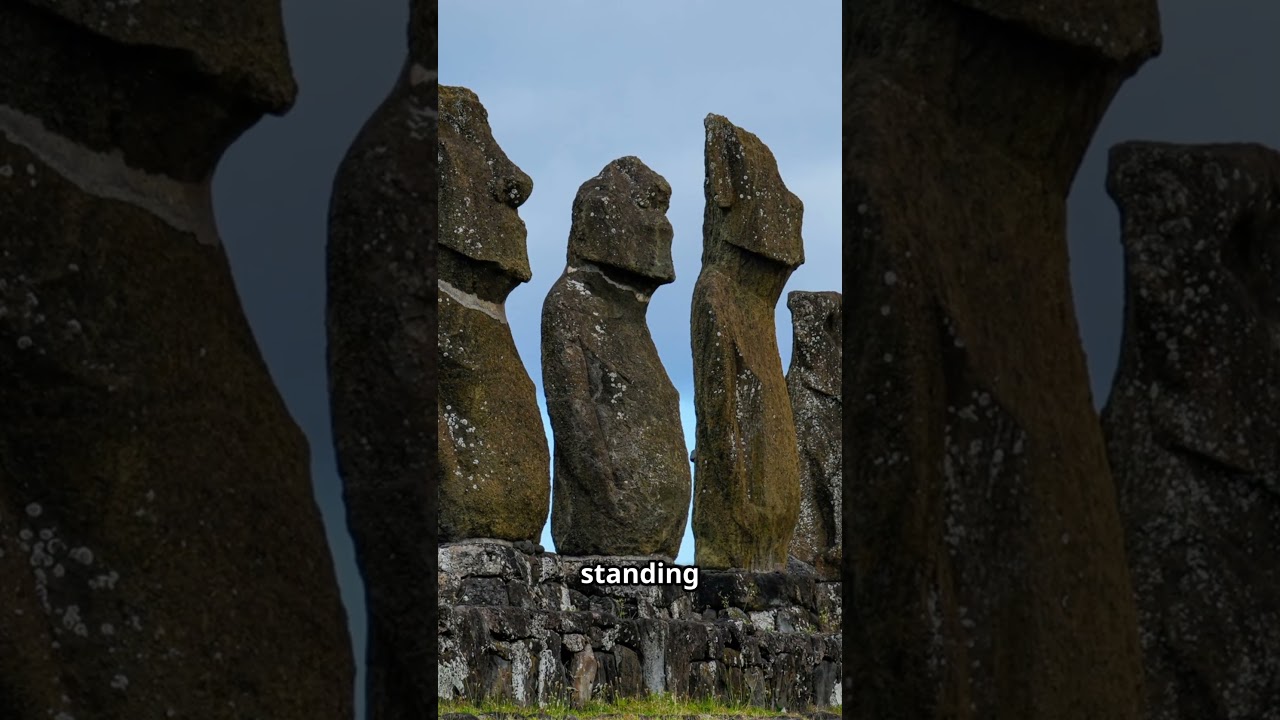
Archaeological treasures include 887 standing and fallen moai statues—some reaching 20 m tall—and over 300 stone platforms (ahu), ceremonial villages such as Orongo, and quarry fields at Rano Raraku where unfinished moai remain in situ. The moai embody clan ancestors believed to bestow spiritual “mana” upon the living, and their transportation and erection rank among preindustrial engineering marvels.
Ecologically, Easter Island supports 150 plant species with 45 endemics, though original palm forests vanished following human settlement. Fauna comprises three marine turtles, two endemic lizards, and four native bird species. Conservation challenges include invasive flora, wildfire risk, erosion, and visitor impacts, prompting integrated management plans that balance heritage preservation with sustainable tourism under Indigenous co-governance.
Why does Rapa Nui National Park outshine other cultural landscapes? Because here, on the planet’s loneliest shores, a society of seafaring islanders engineered an unparalleled megalithic gallery, sustained fragile ecosystems, and—millennia later—reclaimed stewardship to safeguard their legacy for future generations.

Информация по комментариям в разработке