This video, "Noah’s Flood Part 2 - The Ark and The Waters," continues a discussion about Noah's flood, focusing on the construction of the ark and the spiritual context surrounding the event. The speaker reads directly from the "Book of Remembrance of Our Ancient Grandmothers," Chapter 11 (1:08-1:10).
Key points from the video include:
Noah's Encounters and Compassion Noah frequently encounters "Mosa the lamb" and is burdened by the evil in the valleys of Hela (1:40-1:53). He finds two orphaned children, Dalah and Gdal, whose mother was killed trying to escape Hela, and takes them into his home (2:41-4:07).
The Spreading Wickedness The masters of Seku and Hela become increasingly wicked, engaging in violence, cruelty, and shedding blood, even against animals and birds (6:17-6:40). Noah, despite his tender heart, is urged by the spirit to call forth the flood but hesitates, hoping for more righteous people to escape Hela (6:43-7:08).
Noah's Visit to Hela Noah fasts and seeks the Lord's guidance (9:03-9:06). He is instructed to travel through the valleys of Hela, where he witnesses extreme wickedness, including practices of the Decodi and Nephilim. He realizes the people are beyond repentance and that evil is spreading across the earth (10:16-11:22).
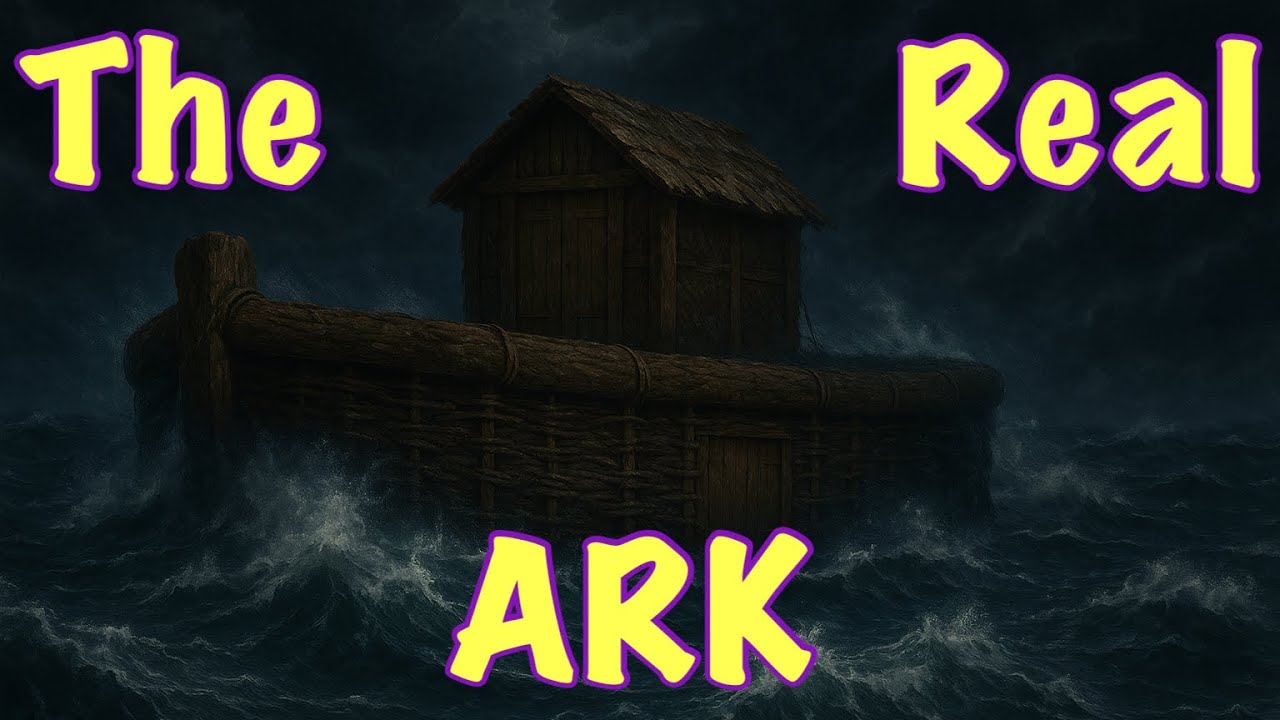
Building the Ark The Lord instructs Noah to build an ark as a means of safety for any righteous people remaining in Hela (12:49-13:15). Despite initial resistance from his kindred, 40 men (20 from his people and 20 Ionians) help Noah build the ark on a hill in the western part of the valley of Hela (13:30-14:19). The ark is described as a large raft with a small dwelling in the middle, looking like a box (15:39-16:39).
The Nature of Wickedness and Nephilim The video describes the stark contrast between Noah's righteous people and the wicked in Hela. The Nephilim are portrayed as spirits that became examples for people's actions, leading to the blending of human spirits with those of animals and water creatures through evil practices, corrupting creation (18:01-20:06).
Noah's Struggle and Ozen's Guidance Noah is deeply troubled by the wickedness and the suffering of the earth and "Mosa the lamb." He prepares to use a "water tablet" to call forth the flood but struggles with how to proceed (21:16-22:10). An elder named Ozen, sent by "Mosa the lamb," visits Noah. Ozen, a "listener" from a lineage of listeners, explains the concept of "languages of the Kadeshi" – the feelings that give life to creation (25:15-37:50). He instructs Noah that he must be present at the location of the flood to "call the water" to him, rather than sending it remotely, and to instruct the "Igadeshi" (elements of creation) in their own languages, which are based on feelings of loving-kindness (35:18-38:14).
The Role of Righteous Forebears The video emphasizes the role of Noah's female ancestors (Zara, Bin, Iona, Adah) in establishing virtue and righteousness, which laid the foundation for Noah's success (39:28-40:20). It explains how the ancient Edenic righteousness was passed down through generations, culminating in Ozen teaching Noah how to fulfill his task (40:20-42:26).
Languages of the Elements Ozen details the "languages" of various elements:
Clouds: Watching, traveling, observing (42:51-43:21).
Fire: Humility, growth, introspection (43:22-43:53).
Hills: Remembering, comprehension of one's place in mankind's flow (43:54-44:32).
Grass: Joining, cleanness, worthiness (44:33-45:05).
Rain: Cycles of life, roundness, diligence, shedding self-interest (45:06-46:08).
Thunder: Prophetic insight, readiness, diligence, maturity (46:09-46:44).
Trees: Friendship, blessings, mutual understanding (46:45-47:15).
Wind: Feelings, celebrating life, sorrow over corruption, praise, thankfulness (47:16-47:51).
Rocks: Remembering, witness, awareness of creation before Eden and sin (47:56-48:53).
Sun: Present moment, enjoying special moments, eternal truth (48:54-49:22).
Rivers: Happiness, serenity, peace of mind, purification (49:23-50:04).
Mountains: Holiness (50:05-50:07).

Информация по комментариям в разработке