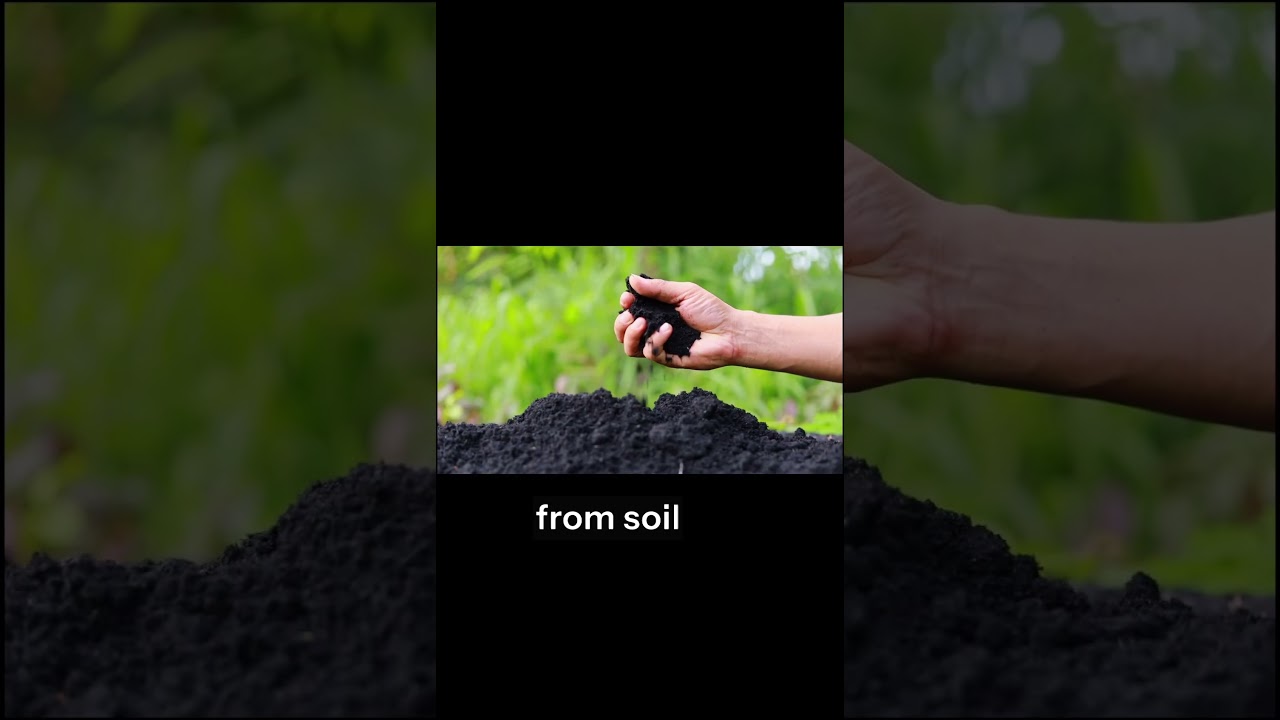
Geosmin, a compound produced by certain bacteria like Streptomyces, is the primary culprit behind the earthy smell of rain, also known as petrichor. When rain falls after a dry period, it hits the ground, releasing geosmin and other compounds from the soil into the air, creating the distinct scent. Human noses are sensitive to geosmin, detecting it at incredibly low concentrations.
Here's a more detailed explanation:
Geosmin Production:
Actinomycetes, a type of bacteria found in soil, produce geosmin as a byproduct of their metabolism.
Raindrop Interaction:
When rain falls, raindrops release air bubbles and aerosolized droplets, which carry geosmin and other scent compounds into the air.
Petrichor Formation:
The combination of geosmin, plant oils, and ozone (sometimes present after thunderstorms) creates the characteristic "rain smell" known as petrichor.
Sensitivity of Humans:
The human nose can detect geosmin at concentrations as low as 5 parts per trillion, making it a highly noticeable scent.
🌟 Welcome to SimpleScience Classes! 🌟 Dive into the world of science with fascinating facts, mind-blowing discoveries, and daily life mysteries explained. Whether you love physics, chemistry, biology, astronomy, space, nature, or simple science experiments, you’ll find something here to spark your curiosity. 🚀🔬 New science shorts, fun facts, amazing animals, crazy phenomena, and epic myths busted every week! Perfect for students, science enthusiasts, and anyone who loves learning. Subscribe for more wonders of the universe, simple explanations, and eye-opening knowledge! #Science #Learning #Facts #Shorts #facts #biology #memes #wonderful #amazingfacts #amazefacts #wow #ididntknow #didyouknow
Информация по комментариям в разработке