Logo video2dn
  • Сохранить видео с ютуба
  • Категории
    • Музыка
    • Кино и Анимация
    • Автомобили
    • Животные
    • Спорт
    • Путешествия
    • Игры
    • Люди и Блоги
    • Юмор
    • Развлечения
    • Новости и Политика
    • Howto и Стиль
    • Diy своими руками
    • Образование
    • Наука и Технологии
    • Некоммерческие Организации
  • О сайте

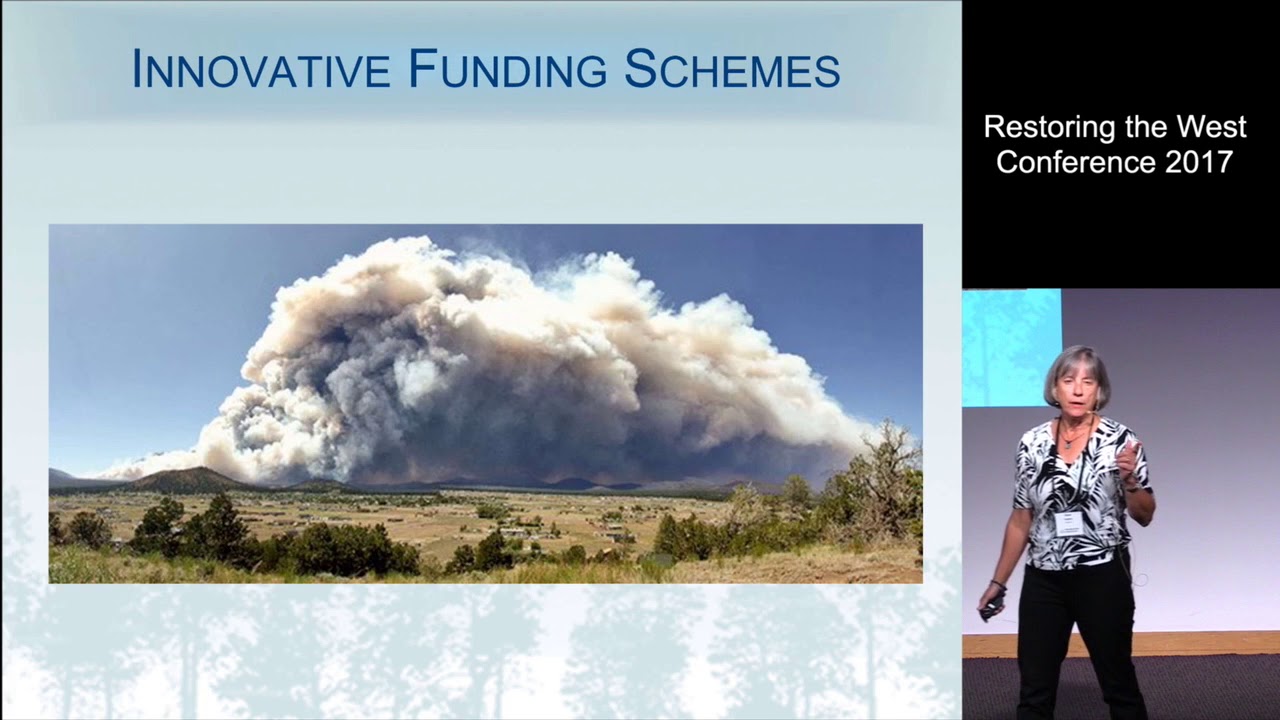
Скачать или смотреть If the Trees Don’t Pay for Restoration, What Will? (RTW 2017)

  • USU Extension Forestry
  • 2017-11-02
  • 78
If the Trees Don’t Pay for Restoration, What Will? (RTW 2017)
forest restorationwood harvestingrestoring the westforestryclimate change
  • ok logo

Скачать If the Trees Don’t Pay for Restoration, What Will? (RTW 2017) бесплатно в качестве 4к (2к / 1080p)

У нас вы можете скачать бесплатно If the Trees Don’t Pay for Restoration, What Will? (RTW 2017) или посмотреть видео с ютуба в максимальном доступном качестве.

Для скачивания выберите вариант из формы ниже:

  • Информация по загрузке:

Cкачать музыку If the Trees Don’t Pay for Restoration, What Will? (RTW 2017) бесплатно в формате MP3:

Если иконки загрузки не отобразились, ПОЖАЛУЙСТА, НАЖМИТЕ ЗДЕСЬ или обновите страницу
Если у вас возникли трудности с загрузкой, пожалуйста, свяжитесь с нами по контактам, указанным в нижней части страницы.
Спасибо за использование сервиса video2dn.com

Описание к видео If the Trees Don’t Pay for Restoration, What Will? (RTW 2017)

Diane Vosick, Director of Policy and Partnerships, Ecological Restoration Institute, Northern Arizona University, [email protected]

In the late 1990s, proposals to mechanically thin and restore public land forests generated intense conflict and litigation. Yet today, there are over 500,000 acres of restoration-based mechanical thinning treatments approved by NEPA in northern Arizona. This accomplishment is evidence for the level of support that exists for restoration. Having lowered much of the social conflict associated with restoration thinning the next barrier to success is economic.
When the Four Forest Restoration Initiative (4FRI) began in 2009 the stakeholders and Forest Service believed that wood harvested during forest restoration would pay-for, or at a minimum, substantially offset some of the cost of treatments. At the time, the 4FRI set an ambitious goal of accomplishing 50,000 acres of mechanical treatments annually. Unfortunately, the number of acres completed annually during the intervening time has never exceeded 16,000 acres. Why?
The trees removed from forest restoration treatments in the Southwest are a combination of small, mostly unmerchantable logs and huge volumes of biomass. The low value of the wood is a function of both quality and size. Without significant investment in value-added processing making a profit is difficult. Entrepreneurs are reticent to invest in expensive value-added infrastructure without guaranteed large volumes of wood, risk-sharing and contracts that exceed 10 years. This presentation will examine different approaches for improving the economics of restoration and explore whether or not it is time to create a different economic model to achieve restoration goals.

Diane Vosick is the Director of Policy and Partnerships for the Ecological Restoration Institute at Northern Arizona University. In that capacity she works with policy makers, environmental stakeholders, business interests and land managers to achieve the goal of ecological restoration of frequent fire forests. Her work includes translating and communicating the biophysical and social science that support restoration to key audiences. She has spent her entire career in the field of conservation and ecological restoration. She has a MA in Geography from the University of Minnesota and a BA from the Evergreen State College.

Комментарии

Информация по комментариям в разработке

Похожие видео

  • О нас
  • Контакты
  • Отказ от ответственности - Disclaimer
  • Условия использования сайта - TOS
  • Политика конфиденциальности

video2dn Copyright © 2023 - 2025

Контакты для правообладателей [email protected]