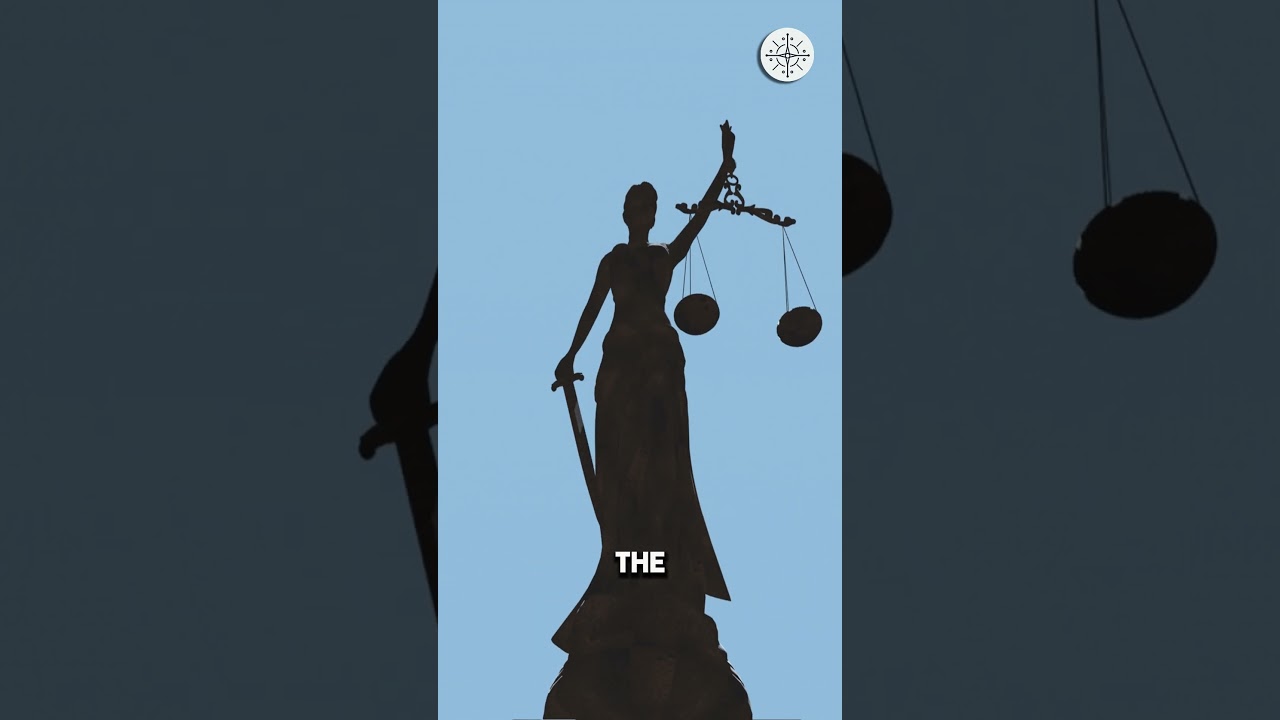
The figure of a woman as a symbol of justice, often depicted as Lady Justice, is rich with historical and cultural significance. Lady Justice is an allegorical personification that embodies the moral force in judicial systems. Here are some key elements and their meanings:
Historical Background
1. **Ancient Roots**:
**Themis**: In Greek mythology, Themis was a Titaness who embodied divine order, law, and custom. She was often depicted holding scales and was a symbol of fairness and justice.
**Iustitia**: In Roman mythology, Iustitia (or Justitia) was the goddess of justice. The modern depiction of Lady Justice is largely derived from Iustitia.
2. **Evolution in Symbolism**:
Over time, the representation of justice evolved to incorporate elements from various cultural and historical contexts, merging into the iconic figure we recognize today.
Key Symbols and Their Meanings
1. **Blindfold**:
**Impartiality**: The blindfold represents impartiality, indicating that justice should be administered without bias or prejudice, considering only the facts and evidence.
2. **Scales**:
**Balance and Fairness**: The scales symbolize the weighing of evidence and arguments. They represent the objective evaluation necessary to deliver fair and balanced justice.
3. **Sword**:
**Authority and Enforcement**: The sword signifies the power and authority of the law. It also represents the capacity of justice to enforce rulings and the potential for punishment.
4. **Book or Scroll**:
**Law and Knowledge**: Sometimes, Lady Justice is depicted with a book or scroll, symbolizing the written laws and legal knowledge essential for administering justice.
5. **Serpent and Dove**:
**Discernment and Purity**: Occasionally, a serpent and dove are included, representing discernment and purity, respectively. The serpent can also symbolize wisdom or, conversely, deceit that justice must discern.
Cultural Significance
1. **Universality**:
Lady Justice is a universal symbol found in many legal systems around the world. Her image is used to remind us of the fundamental principles that should guide the administration of justice.
2. **Gender and Symbolism**:
The use of a woman to symbolize justice may be rooted in ancient associations of women with wisdom, fairness, and nurturing qualities. In many cultures, women were seen as embodying the moral virtues necessary for just rulings.
3. **Modern Interpretations**:
In contemporary times, Lady Justice continues to be a powerful symbol. Her image is often seen in courtrooms, legal documents, and public spaces to signify the ongoing pursuit of justice and equality under the law.
Representations in Art and Architecture
1. **Statues and Paintings**:
Lady Justice is a popular subject in statues and paintings, often placed in front of courthouses and legal institutions to serve as a reminder of the principles of justice.
2. **Modern Adaptations**:
Artists and architects sometimes adapt the traditional imagery of Lady Justice to reflect contemporary values, such as diversity and inclusivity in the pursuit of justice.
Conclusion
The figure of a woman as a symbol of justice encapsulates the ideals of fairness, impartiality, and the rule of law. Lady Justice's enduring presence in legal symbolism reflects humanity's commitment to these principles across different cultures and historical periods. Her attributes—blindfold, scales, sword, and more—each play a crucial role in conveying the multifaceted nature of justice, emphasizing that it must be balanced, unbiased, and authoritative.
#shorts #shortvideo












Информация по комментариям в разработке