(6 Feb 2026)
RESTRICTION SUMMARY:
ASSOCIATED PRESS
Havana, Cuba - 6 February 2026
1. Wide of bus stop, man waving for a taxi
2. People getting into a taxi
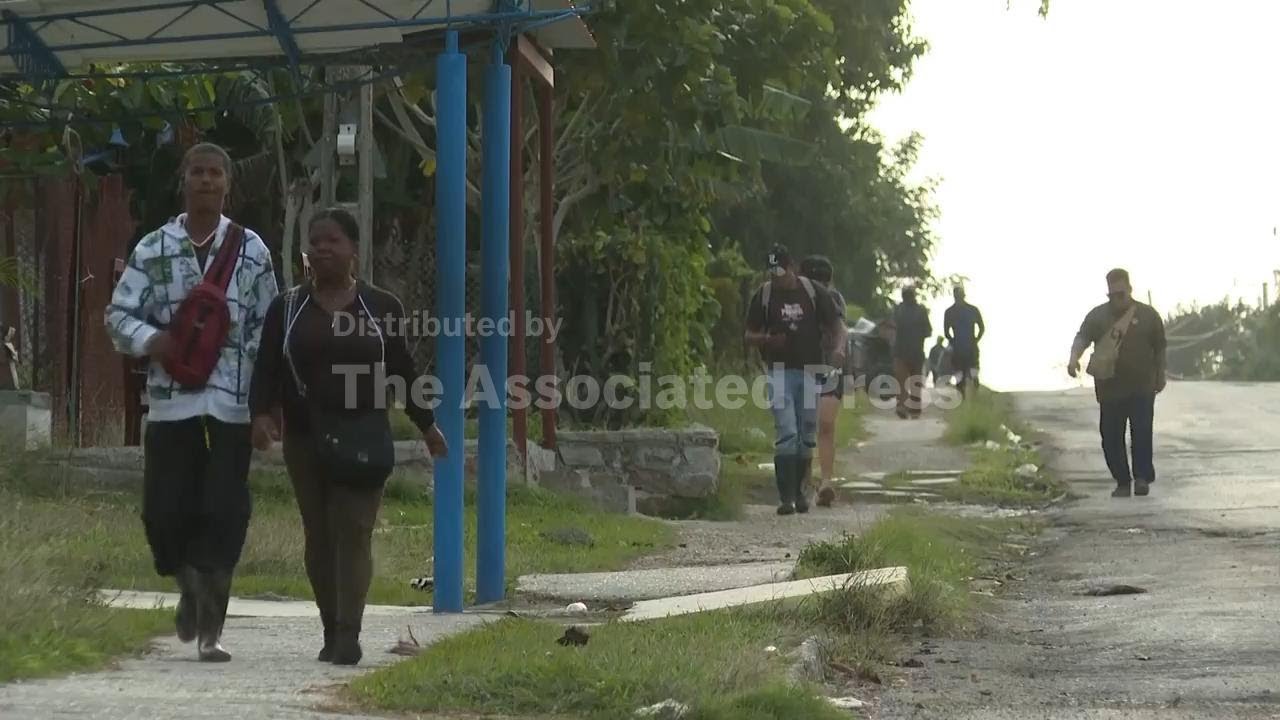
3. Various of people walking on street
4. People getting into a three-wheeler taxi
5. Car driving past full of people
6. Transport inspector trying to stop cars to take people
7. People at the bus stop, student Emilio Padrón looking at his phone
8. SOUNDBITE (Spanish) Emilio Padrón, 21, student:
"Sacrifice? More sacrifice, really? Of what? There is nothing else to sacrifice. Next, I am in the army reserve until I am 61. Maybe they will call me at 60, what for? To be cannon fodder? To stand in front of an American soldier?"
9. People on the street
10. SOUNDBITE (Spanish) Solanda Oña, 64, bookseller:
"We managed to stay overnight at a place with one person from Alamar, another from Cotorro, and me because there were no buses to take us home. Every now and then we have problems getting home, but there was always at least one bus. Now there isn't any."
11. Various of buses parked in garage
12. Travelling shot of cars lining up at gas station
STORYLINE:
One day after Cuban President Miguel Díaz-Canel acknowledged the impact of a U.S. executive order that prevents the island from obtaining oil, some consequences have already been felt in the capital.
People in Havana woke up Friday with even fewer transportation options for getting to work.
The notoriously inefficient public transportation system on the island is now deeply affected by a fuel shortage that has forced buses to stay in the garage.
Those who could afford it crowded into taxis, but many faced long walks, reminiscent of the so-called Special Period when the country’s economy collapsed after the fall of the Soviet Union.
Last week, President Donald Trump signed an executive order imposing tariffs on goods from countries that supply fuel to the island, the latest tightening of sanctions aimed at stifling the island's economy by pressuring it to change its political model, which has been in place for more than six decades.
During a rare news conference on Thursday, Cuban President Miguel Diaz-Canel acknowledged the impact of the dramatic measure against the island, which he described as an “energy blockade.”
In his speech, Díaz-Canel urged the population to move forward and assured them that the government has plans.
“People will say: Sacrifice again? Well, if we don't sacrifice and if we don't resist, what are we going to do, give up?” said the island's leader, who added that special fuel-saving measures would be announced in the next few days.
As most of the population already endures hours without electricity, food shortages, and medicine shortages, they worry about what else will be asked of them.
“More sacrifice, really? Of what? There's nothing left to sacrifice,” said Emilio Padrón, a 21-year-old culinary student.
As people rushed to hitchhike to their destinations or wave down one of the electric minivans, they expressed concern about the difficult times they were experiencing, which could worsen due to a lack of transportation and other basic services, as well as the country's functioning.
“I'm very worried,” said Solanda Oña, a 64-year-old bookseller. She had to spend the night in a restaurant because there was no way to get home. “Last night, two people from Alamar, another from Cotorro, and I, who am from Lawton, had to stay, there aren't any buses,” said Oña.
===========================================================
Find out more about AP Archive: http://www.aparchive.com/HowWeWork
Twitter: / ap_archive
Facebook: / aparchives
Instagram: / apnews
You can license this story through AP Archive: http://www.aparchive.com/metadata/you...

Информация по комментариям в разработке