(21 Jan 2026)
RESTRICTION SUMMARY: MUST CREDIT NASA
++EDIT BEGINS AND ENDS ON SOUNDBITE++
++BLACK FRAMES BETWEEN SOUNDBITES++
++CAMERA CUTS FROM SOURCE++
NASA - MUST CREDIT NASA
Houston - 21 January 2026
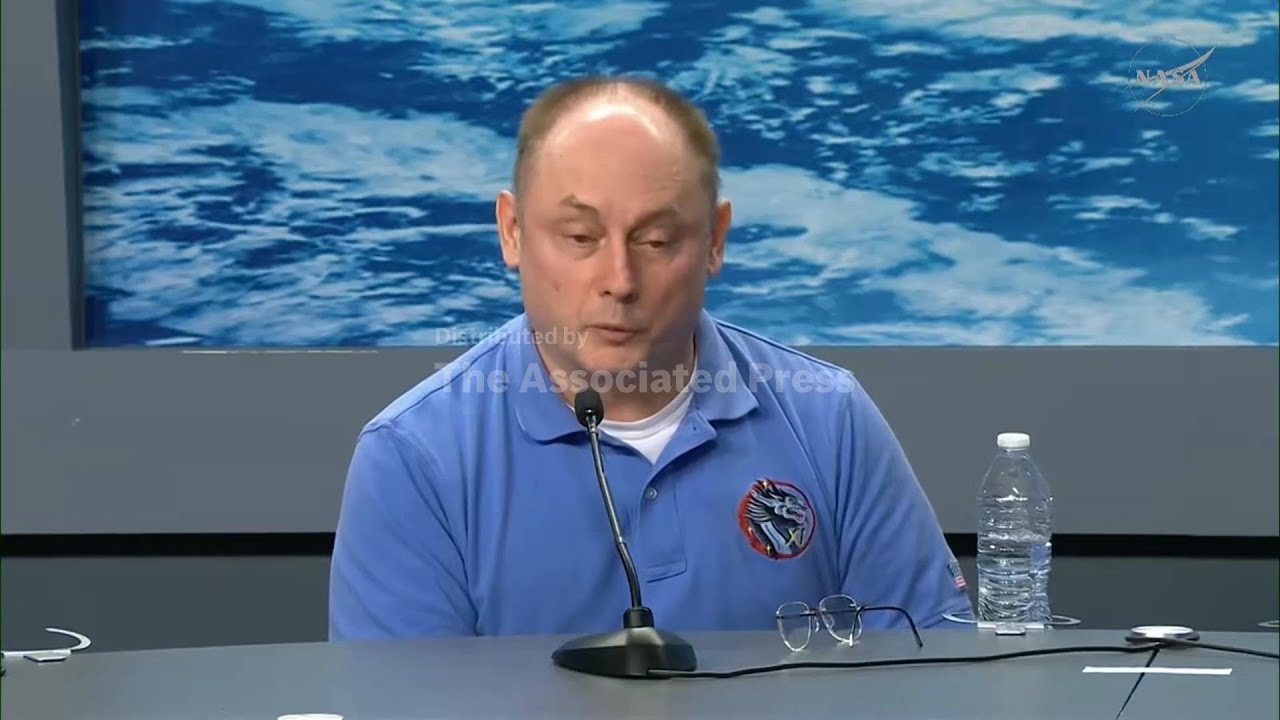
1. SOUNDBITE (English) Mike Fincke, NASA astronaut:
"The ultrasound technology has gotten better on planet Earth, and we've taken that into space and having a portable ultrasound machine helped us in this situation. We were able to take a look at things that we had and didn't have, but and all of my crewmates, we, we got so much experience with ultrasound in looking at human bodies as we change over time as part of science and medicine. So when we had this emergency, the ultrasound machine came in super handy. So I'd recommend a portable ultrasound machine in the future for sure for all space flights. It really helped."
++BLACK FRAMES++
2. SOUNDBITE (English) Mike Fincke, NASA astronaut:
"Now of course we didn't have other big machines that we have here on planet Earth and maybe some of those can't be in space. And we do try to make sure that everybody before we fly are really, really not prone to surprises. But sometimes things happen and surprises happen and the team was ready and that was like Zena said, preparation was super important."
++BLACK FRAMES++
3. SOUNDBITE (English) Zena Cardman, NASA astronaut:
"NASA made all the right decisions. In my opinion, this is a really excellent example of risk analysis and decision making, and I'm very proud of the decision they made."
++BLACK FRAMES++
4. SOUNDBITE (English) Kimiya Yui, JAXA (Japan Aerospace Exploration Agency) astronaut:
"We can handle any kind of difficult situation, I thought. So, of course, we came back early, but including this kind of decision, this is actually very, very good, experience for the future of human spaceflight."
++EDIT ENDS ON SOUNDBITE++
STORYLINE:
The astronauts evacuated last week from the International Space Station say a portable ultrasound machine came in “super handy” during the medical crisis.
During their first public appearance since returning to Earth, the four astronauts refused Wednesday to say which one of them needed medical attention and for what reason. It was NASA's first medical evacuation in 65 years of human spaceflight.
NASA’s Mike Fincke said the crew used the onboard ultrasound machine once the medical problem arose Jan. 7, the day before a planned spacewalk that was abruptly canceled. The astronauts had already used the device a lot for routine checks of their body changes while living in weightlessness, “so when we had this emergency, the ultrasound machine came in super handy.”
It was so useful that Fincke said there should be one on all future spaceflights. “It really helped,” he said.
“Of course, we didn't have other big machines that we have here on planet Earth,” he added. “We do try to make sure that everybody before we fly are really, really not prone to surprises. But sometimes things happen and surprises happen, and the team was ready ... preparation was super important."
The space station is set up as well as it can be for medical emergencies, said NASA's Zena Cardman, who commanded the crew's early return flight with SpaceX. She said NASA “made all the right decisions” in canceling the spacewalk, which would have been her first, and prioritizing the crew's well-being.
Japanese astronaut Kimiya Yui said he was surprised how well all the preflight training paid off in dealing with the health concerns.
“We were hoping to give them hugs in space, but we gave them hugs on Earth,” Fincke said.
Find out more about AP Archive: http://www.aparchive.com/HowWeWork
Twitter: / ap_archive
Facebook: / aparchives
Instagram: / apnews
You can license this story through AP Archive: http://www.aparchive.com/metadata/you...

Информация по комментариям в разработке