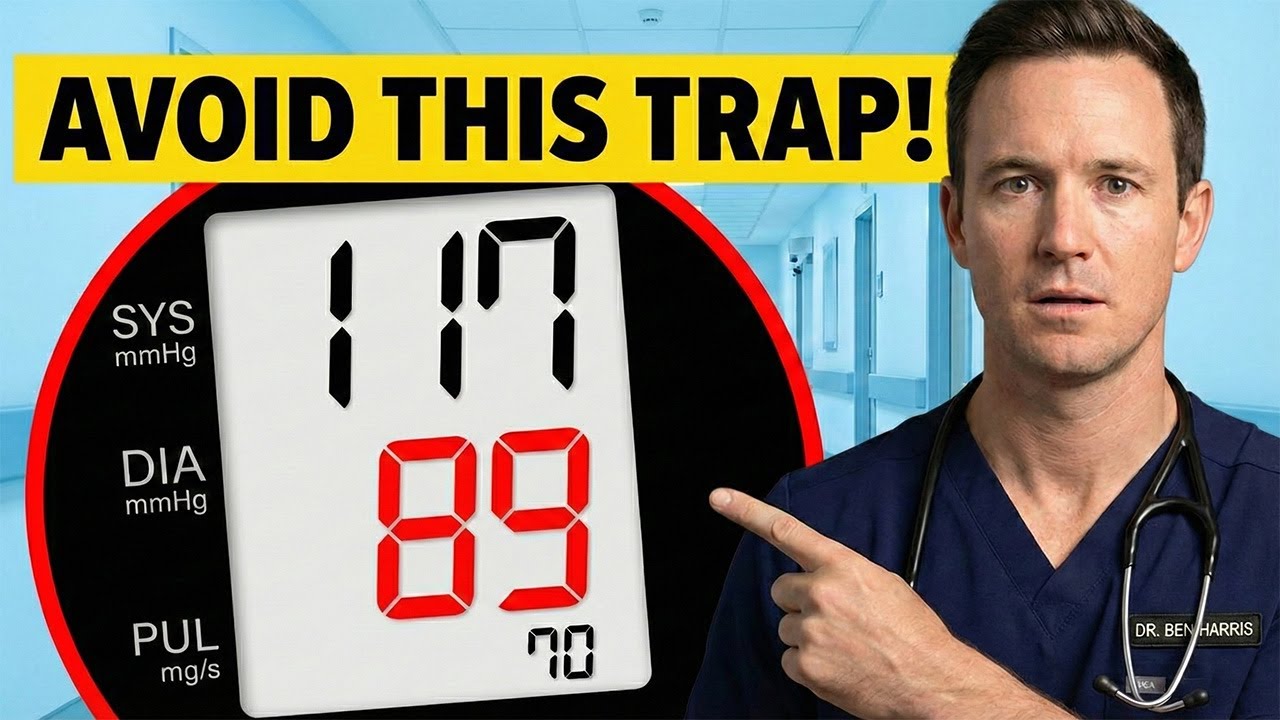
You've been checking your blood pressure for years, but no doctor has explained which of those two numbers—the top (systolic) or bottom (diastolic)—actually matters more for predicting your risk of heart attack, stroke, and death after age 60. Research from the Framingham Heart Study and guidelines from the American Heart Association reveal that for older adults, systolic pressure (the top number) is by far the strongest predictor of cardiovascular events, while diastolic pressure becomes less important—and in some cases, dangerously low diastolic readings can signal serious health problems even when systolic is controlled.
In this video, we explain why systolic blood pressure rises continuously with age as your arteries stiffen, why diastolic pressure actually peaks around age 60 and then declines, and how the widening gap between the two numbers (called pulse pressure) is one of the most important cardiovascular risk markers in seniors. You will also discover why isolated systolic hypertension (high top number with normal or low bottom number) is the most common form of high blood pressure after 60, why it's far more dangerous than most people realize, and why treating blood pressure in older adults requires individualized targets—not the rigid "120/80" rule that applies to younger people.
Why Systolic Pressure Dominates After 60
Systolic blood pressure becomes the dominant predictor of cardiovascular mortality in older adults because it reflects arterial stiffness—the inability of your blood vessels to expand and contract with each heartbeat. Studies show that systolic pressure is the best single predictor of heart disease, stroke, and death in people over 60, independent of diastolic pressure.
The Pulse Pressure Warning
Pulse pressure (the difference between systolic and diastolic) is a powerful marker of arterial stiffness and vascular damage. A pulse pressure greater than 60 mmHg signals dangerously stiff arteries and predicts cardiovascular death more accurately than either number alone. The deadliest blood pressure pattern in elderly patients is high systolic combined with low diastolic (for example, 160/60), which carries a 90% higher death rate than normal blood pressure.
Isolated Systolic Hypertension
Isolated systolic hypertension (systolic ≥130 with diastolic 80) is the most common form of high blood pressure in older adults, caused by age-related stiffening of major arteries. It dramatically increases the risk of stroke, heart attack, heart failure, and kidney disease—yet it's often undertreated because the diastolic number looks "normal".
When Low Diastolic Becomes Dangerous
While most people worry about high blood pressure, very low diastolic pressure (below 70 mmHg) in the elderly is independently associated with a 38% increase in cardiovascular death risk. Low diastolic can signal frailty, over-medication, or poor vascular compliance, and may reduce blood flow to the heart muscle during the relaxation phase, increasing heart attack risk.
Treatment Implications for Seniors
Aggressive blood pressure lowering that drops diastolic too low can be harmful in seniors, causing dizziness, falls, confusion, and reduced blood flow to vital organs. Individualized blood pressure targets based on age, frailty, comorbidities, and fall risk are far more important than rigid guidelines—which is why blood pressure management after 60 requires shared decision-making with your doctor.
Scientific References
Framingham Heart Study: Systolic Dominance in the Elderly
Data from the Framingham Heart Study showed that systolic blood pressure increases continuously with age, while diastolic pressure increases until age 60 and then declines steadily. In elderly populations, systolic pressure is the strongest predictor of cardiovascular mortality, and the correlation between systolic and diastolic drops from approximately 0.80 in middle age to approximately 0.50 in seniors.
Medical Disclaimer: The content in this video is for educational purposes only and is not intended to be a substitute for professional medical advice, diagnosis, or treatment. Always seek the advice of your physician or other qualified health provider regarding your blood pressure and cardiovascular health. If you are over 60 and have isolated systolic hypertension, wide pulse pressure, or very low diastolic pressure, do not adjust your medications or treatment plan without consulting your doctor, as these patterns require individualized evaluation and management. Blood pressure targets must be personalized based on your overall health, frailty status, comorbid conditions, and risk of falls or organ damage. Never discontinue or change blood pressure medications on your own; all treatment decisions must be made in partnership with your healthcare provider.

Информация по комментариям в разработке