Click the link for a scoliosis consultation:
https://www.scoliosisreductioncenter....
Visit the blog post:
https://www.scoliosisreductioncenter....
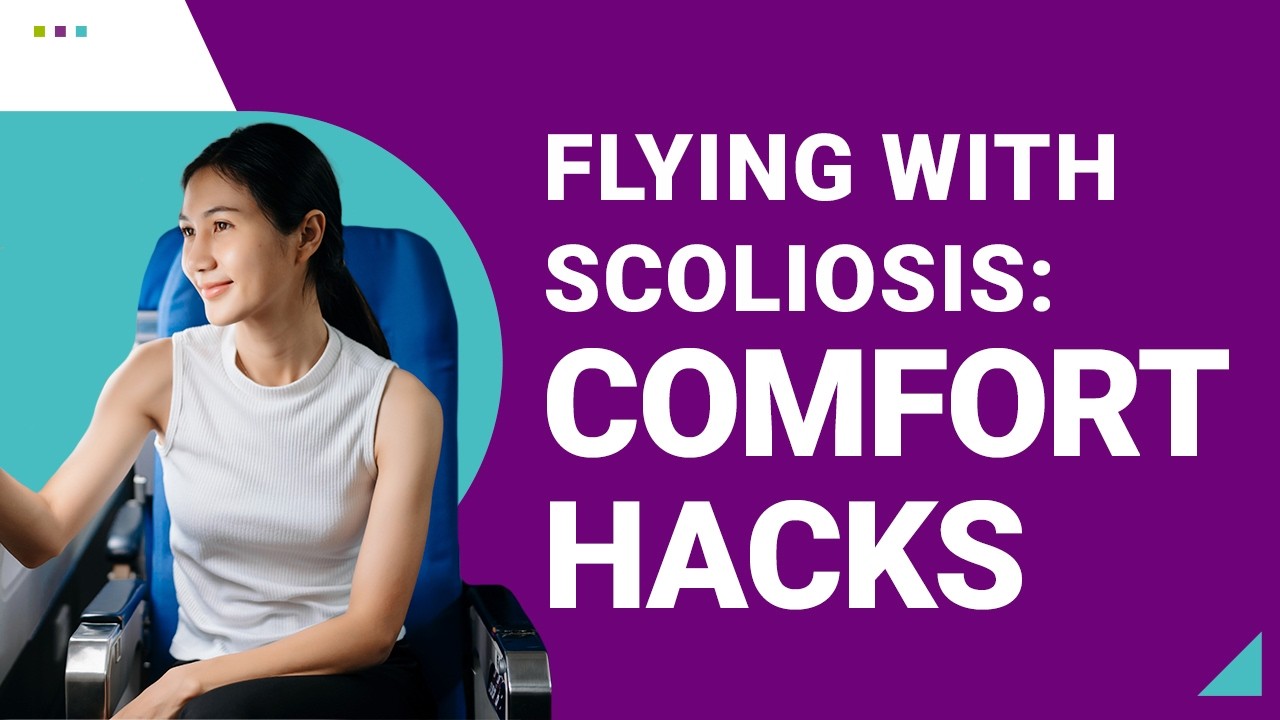
Long flights can be difficult for anyone, but for patients with scoliosis, they can be especially challenging. Extended sitting, limited movement, and poor airplane seat ergonomics combine to increase spinal tension, uneven pressure, and muscle fatigue. Because scoliosis creates an asymmetrical spinal curve that often shifts the body to one side, being locked in one position for hours can amplify stiffness and discomfort.
When you sit for long periods, your spine is compressed under your body weight. Sitting creates more compression than standing, and for someone with scoliosis, that compression is rarely evenly distributed. Airplane seats are narrow, minimally adjustable, and often encourage slouching. Over time, this can increase lower back and neck discomfort and make post-flight stiffness more noticeable. The key is maintaining alignment, engaging your core, and moving whenever possible—even in small ways.
Preparation before boarding can make a major difference. Gentle spinal mobility exercises for the low back, hips, shoulders, and neck help prepare the body for extended sitting. If you wear a corrective brace, bringing it for travel may provide additional support, depending on comfort and seat space. If not using a brace, a small lumbar pillow or rolled towel can help maintain natural spinal curvature. Wear comfortable clothing that allows free movement and avoids additional restriction.
During the flight, sit with your hips fully back in the seat and your shoulders relaxed against the backrest. Keep your feet flat on the floor and use small pelvic movements to avoid prolonged flexed posture. Perform light shoulder rolls, neck stretches, and posture resets periodically. If possible, choose an aisle seat so you can stand and walk briefly during the flight. Avoid leaning heavily to one side, especially toward the direction of your curve.
Hydration is also important. Many travelers limit water intake to avoid restroom trips, but dehydration can increase stiffness and pain, especially for those with spinal conditions. After landing, walk before collecting luggage and perform gentle stretches or corrective exercises prescribed by your provider to restore alignment and mobility.
For longer travel, consider breaking flights into shorter segments when possible. Although direct flights are efficient, extended sitting can worsen symptoms. Continue any home exercise program while traveling to maintain progress and reduce flare-ups.
Scoliosis does not prevent you from traveling. With posture awareness, movement strategies, and proper support, flying can become far more manageable and comfortable.
0:00 – Why Flying Can Trigger Scoliosis Pain
0:48 – How Airplane Seats Increase Spinal Compression
1:52 – Pre-Flight Preparation to Protect Your Spine
3:05 – How to Sit Properly During the Flight
3:48 – What to Avoid (Leaning, Slouching & Dehydration)
4:16 – What to Do Immediately After Landing
4:56 – Long-Flight Travel Tips for Scoliosis
5:45 – How to Travel Comfortably With Scoliosis
Click the link for a scoliosis consultation:
https://www.scoliosisreductioncenter....
Artlist.io 847544
















Информация по комментариям в разработке