#empowerment #psychology #new_york_city
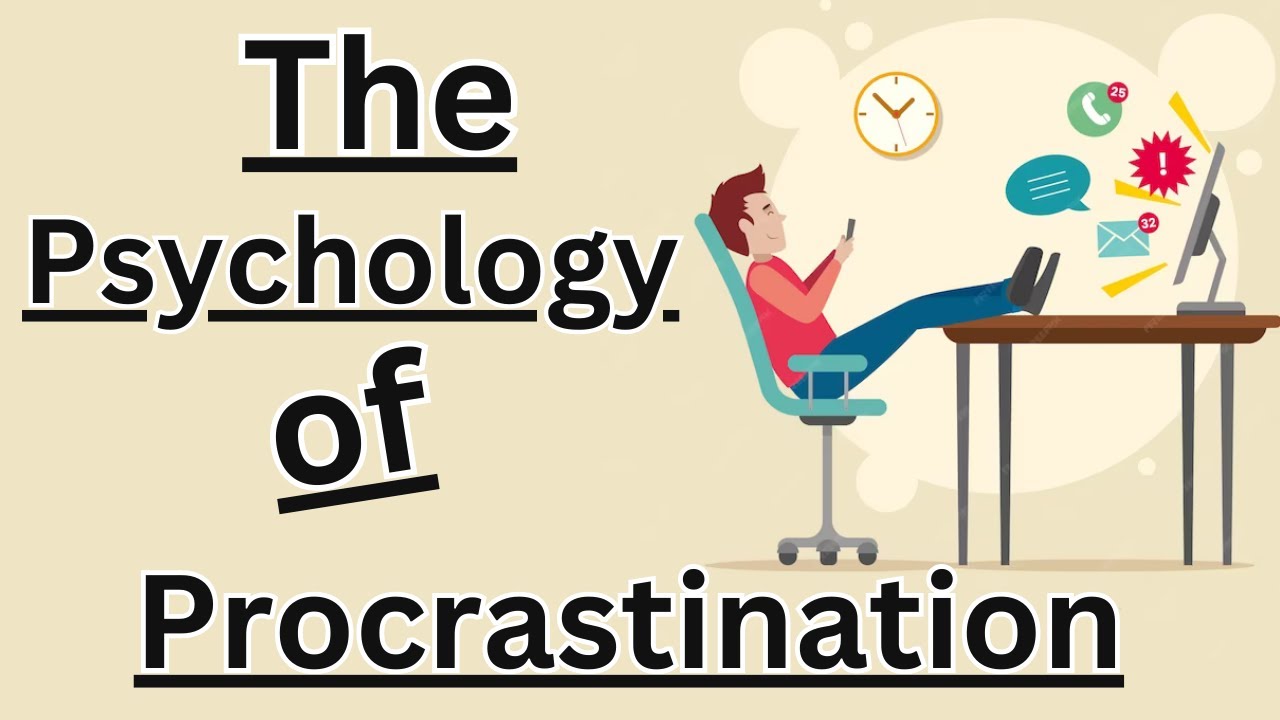
The Psychology of Procrastination: explained
The Psychology of Procrastination is a complex interplay of psychological, emotional, and behavioral factors that contribute to the delay of tasks despite knowing the negative consequences. Understanding this phenomenon involves exploring the underlying mechanisms and motivations behind procrastination:
1. Definition of Procrastination
Procrastination refers to the act of delaying or postponing tasks, often to the detriment of one's well-being or productivity. It involves a voluntary delay despite being aware of the negative consequences associated with the delay.
2. Psychological Roots
Psychologically, procrastination is linked to various factors, including fear of failure, fear of success, perfectionism, low self-esteem, and a desire for instant gratification. Identifying these root causes is crucial in addressing procrastination.
3. Time Discounting and Present Bias
Procrastination is often influenced by time discounting, where individuals place a higher value on immediate rewards over delayed but larger rewards. This present bias can lead to favoring short-term pleasure, contributing to procrastination.
4. Fear of Failure and Perfectionism
Fear of failure is a significant driver of procrastination. Perfectionism, the desire to achieve unattainable standards, can also paralyze individuals, as the fear of not meeting these standards becomes a barrier to starting or completing tasks.
5. Executive Function and Self-Regulation
Procrastination is associated with challenges in executive functions, including self-regulation, impulse control, and time management. Individuals who struggle with these functions may find it harder to initiate and sustain goal-directed behavior.
6. Task Aversion and Emotional Regulation
Certain tasks may be aversive due to their perceived difficulty or unpleasantness, leading to procrastination. Difficult emotions associated with tasks, such as anxiety or boredom, may result in avoidance as a form of emotional regulation.
7. Lack of Clear Goals and Prioritization
Procrastination can occur when individuals lack clear goals or struggle with prioritization. Without a clear roadmap, tasks may seem overwhelming, making it easier to delay taking action.
8. Perceived Lack of Autonomy
A perceived lack of autonomy or choice in performing a task can contribute to procrastination. Feeling compelled or forced to do something may trigger resistance, leading to avoidance.
9. Delay Discounting and Hyperbolic Discounting
Delay discounting, the tendency to undervalue future rewards, and hyperbolic discounting, the preference for smaller, more immediate rewards over larger delayed rewards, are cognitive biases that contribute to procrastination.
10. Lack of Motivation and Goal Alignment
Procrastination can result from a lack of motivation, particularly when tasks do not align with personal values or long-term goals. Individuals may struggle to find intrinsic motivation to initiate or complete tasks.
11. Self-Handicapping Strategies
Some individuals engage in self-handicapping strategies, creating external factors or excuses that can be blamed for failure. This serves as a defense mechanism to protect self-esteem in the face of potential failure.
12. Overcoming Procrastination
Overcoming procrastination involves a combination of self-awareness, goal setting, breaking tasks into smaller steps, and addressing underlying psychological barriers. Developing effective time management skills and seeking support can also contribute to overcoming procrastination.
13. In conclusion, the psychology of procrastination is multifaceted, involving cognitive, emotional, and behavioral elements. Recognizing and addressing these factors can empower individuals to break free from the cycle of procrastination and cultivate a more proactive and fulfilling approach to tasks and goals.
https: //youtube. com/channel/UCMUWMNFQhJspmvCLaPUFz_w

Информация по комментариям в разработке