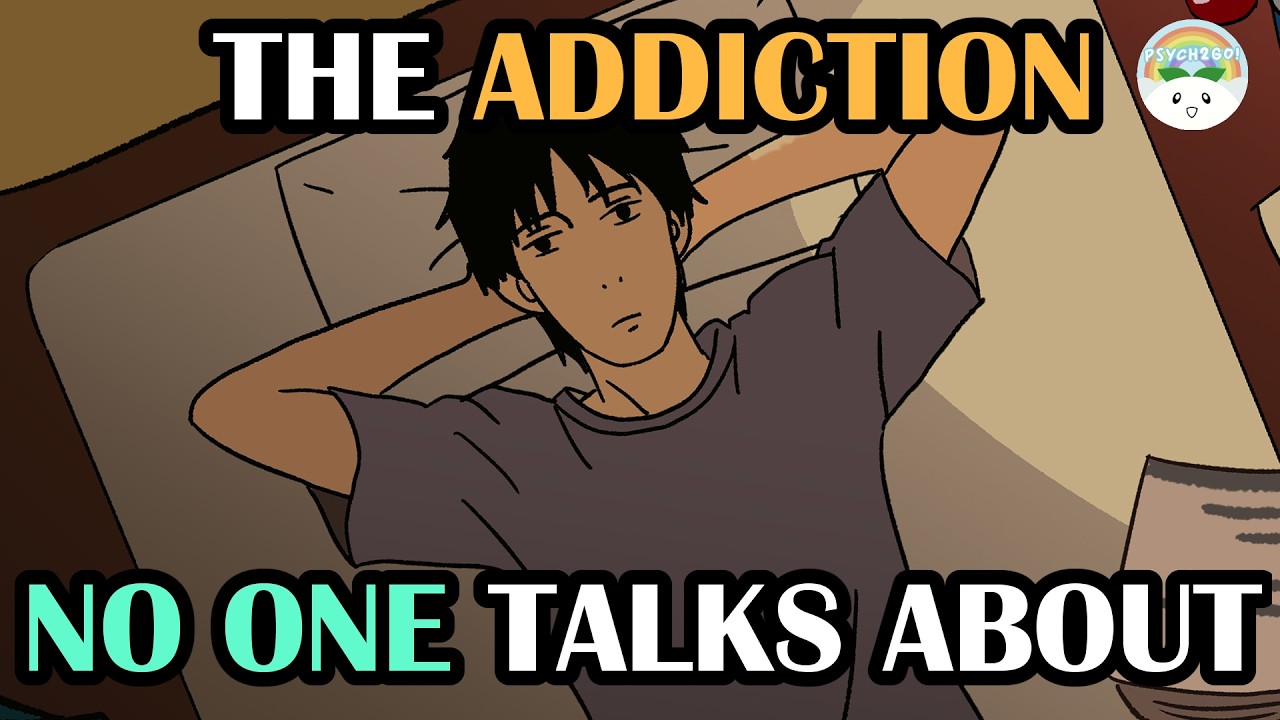
Alone time can be healing — it helps you recharge, think clearly, and feel at peace. But sometimes, “me time” slowly turns into something else: avoidance, emotional escape, and eventually social withdrawal.
In this video, we talk about the signs that alone time may be turning into a coping pattern that keeps you stuck — especially if isolation starts replacing things you actually need: support, connection, routines, and meaning. We’ll explore why being alone can feel safe, why it can become habit-forming, and how to gently rebuild comfort with people again.
We also touch on hikikomori (a form of extreme social withdrawal most closely associated with Japan) and how Japan has developed different ways to help people reintegrate into society — including community-based supports, step-by-step exposure back into daily life, and structured programs that focus on rebuilding confidence, routine, and social skills over time.
If you’ve been feeling “too comfortable” in isolation, you’re not broken — your brain may just be trying to protect you. The good news: connection is a skill, and skills can be relearned.
Further readings:
Kato, T. A., Kanba, S., & Teo, A. R. (2018). Hikikomori: Experience in Japan and international relevance. World Psychiatry, 17(1), 105–106.
Teo, A. R., & Gaw, A. C. (2010). Hikikomori, a Japanese culture-bound syndrome of social withdrawal? A proposal for DSM-5. The Journal of Nervous and Mental Disease, 198(6), 444–449.
Tajan, N. (2015). Social withdrawal and psychiatry: A comprehensive review of hikikomori. Neuropsychiatrie de l’Enfance et de l’Adolescence, 63(5), 324–331.
Suggested video from our channel:
How to Enjoy Being Alone: • How To Enjoy Being Alone
You can be alone but not lonely. But if you feel lonely, then it's time to change.
Информация по комментариям в разработке