Patron Saint of parish priests, all priests, and confessors
Canonized by Pope Pius XI in 1925
John Vianney was often referred to as the Curé d'Ars.
John Mary Baptiste Vianney was the fourth of six children born to devout Catholic parents in Dardilly, a village near Lyon in eastern France. John was born three years before the start of the French Revolution, during which the Church came under ferocious attack. The Vianney family hid priests and attended clandestine Masses at nearby farms. The witness of the priests who risked their lives to offer the Sacraments inspired young John and later motivated him to become a priest. Given the chaos of the time, John spent most of his childhood helping on the family farm and tending to the flocks, rather than attending school. He was functionally illiterate through his teenage years.
In 1801, Napoleon and Pope Pius VII signed the Concordat, recognizing Catholicism as the faith of the majority of French citizens and permitting state-regulated worship. In 1806, the parish priest of Écully, Father Balley, opened a school for prospective seminarians. At age twenty, John began his formal education there, but it was interrupted when he was drafted into Napoleon’s army. Illness and circumstance kept him out of service; he eventually returned to Écully to continue his education.
After John completed his studies, Father Balley convinced the diocese’s Vicar General to let John into the diocesan seminary. John struggled, and the diocesan authorities questioned his suitability when he came up for ordination. When the bishop asked about John’s piety, he was told that John prayed the rosary like an angel. That was enough. John was ordained a priest on August 12, 1815 and served as an assistant priest in Écully, under Father Balley’s supervision, until Father Balley’s death.
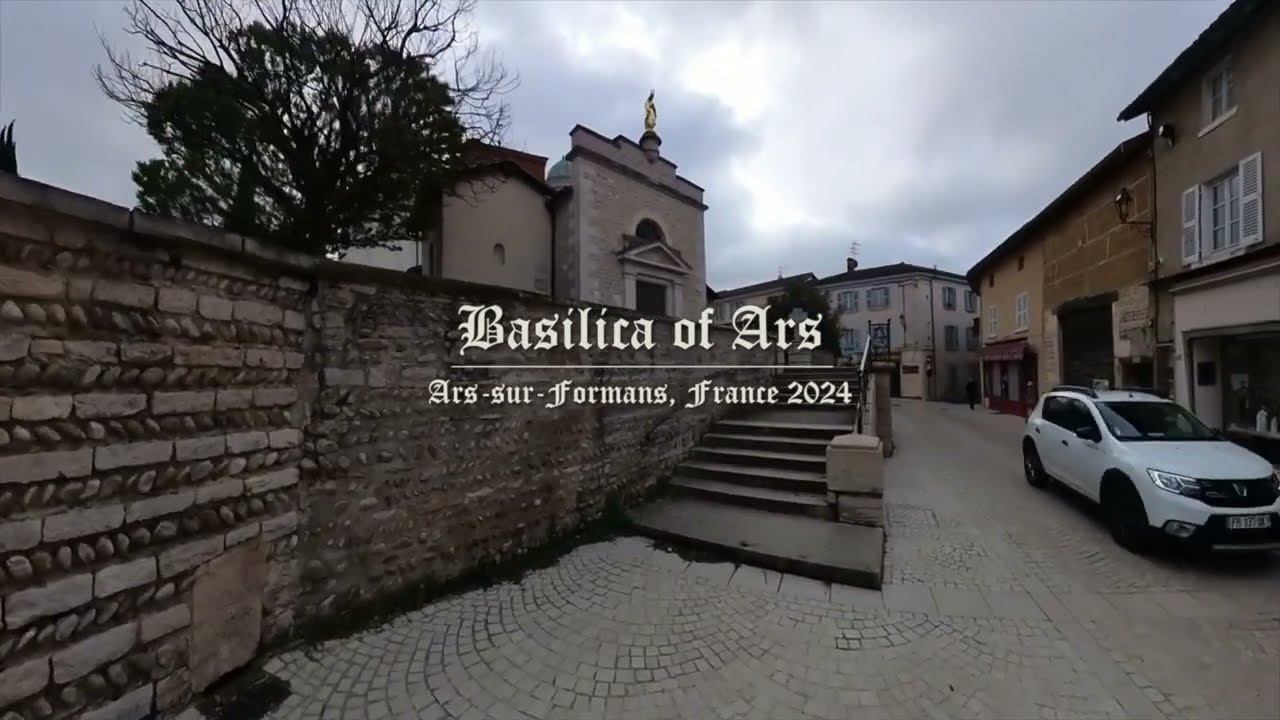
In 1817, Father Vianney became chaplain at the church of Saint Sixtus, in Ars, a small farming community where he would remain for the next forty-one years. Ars was known for its enjoyment of dancing, drunkenness, and swearing. People who stopped by the church saw Father Vianney kneeling in prayer before the Blessed Sacrament. Eventually, they started to attend Mass. Father Vianney’s homilies were simple. Sin must be avoided; those who remain in sin will go to hell. Those who turn to God will be saved and welcomed into Heaven. He preached on God’s love, prayer, the sacraments, and living a life of charity and virtue.
Within the first three years of Father Vianney’s priestly ministry, Ars was being transformed. He spent hours in prayer every day, endured severe penances and fasting, and restored the church building. He made home visits to his parishioners and even to the surrounding villages, drawing many to the church. In 1823, the bishop raised Saint Sixtus Church to the level of a parish, appointing Father Vianney as pastor. The people of Ars were flocking to confession and Mass, praying, overcoming sin, and turning to God’s love. Additionally, thousands of people traveled to Ars every year to attend his Masses and confess their sins. On many days, Father Vianney spent up to sixteen hours in the confessional. A new and larger church was built, and a new railroad line was laid to get people to the small village. The devil, who harassed and intimidated Father Vianney, once said, “If there were only three like you in France, I would not be able to set foot there.”

Информация по комментариям в разработке