*BESTCast News: Diplomatic Crossroads*
Good evening. This is BESTCast News.
All eyes are on potential peace talks between Ukraine and Russia as diplomatic maneuvers intensify, set against the grim reality of ongoing conflict. A flurry of activity has centered around the possibility of direct talks in Istanbul this week.
Russia, through President Vladimir Putin and his press secretary Dmitry Peskov, has proposed holding direct negotiations with Ukraine in Istanbul on Thursday, May 15th. Russia states it is ready for negotiations "without any preconditions". Peskov has stressed that the "language of ultimatums is unacceptable" to Russia. While Russia says a ceasefire might be agreed upon during negotiations, it has rejected the idea of an immediate truce that could allow Ukraine to rearm. The Kremlin has reiterated the call for Istanbul talks but has remained silent on whether Putin himself would meet Ukrainian President Volodymyr Zelensky in person.
This Russian offer comes after Ukraine and its European allies – including Germany, France, the U.K., and Poland – proposed an unconditional 30-day ceasefire to begin on Monday, May 12th. Russia reportedly ignored this proposal.
International partners hold differing views on the path forward. The European Union staunchly insists that a complete, unconditional ceasefire by Russia is a necessary condition for any negotiations to begin. EU spokeswoman Anitta Hipper emphasized the need to continue putting pressure on Russia, stating they are "playing games" and "you cannot trust Putin". Germany specifically issued a deadline for Russia to implement a ceasefire by midnight Monday or face new sanctions. The EU also plans to unveil a new sanctions package soon and continues to provide significant defense support to Ukraine, including funds from frozen Russian assets.
The United States' position, particularly under former President Donald Trump, has added another layer of complexity. After initially supporting a 30-day ceasefire proposal, Trump recently urged Ukraine to "immediately" accept Putin's offer for direct talks in Turkey without preconditions. This shift in focus from the European/Ukrainian demand for a ceasefire first has been perceived by some as undermining pressure on Russia and putting pressure back on Kyiv to agree to the meeting. Some commentary suggests that certain U.S. actions could undermine alliances and weaken Ukraine, with perceptions that the U.S. under Trump is pushing Ukraine towards capitulation. Conversely, other viewpoints suggest Trump's approach could be a strategic play to prevent Ukraine from joining NATO, offering alternative protection, and forcing a deal.
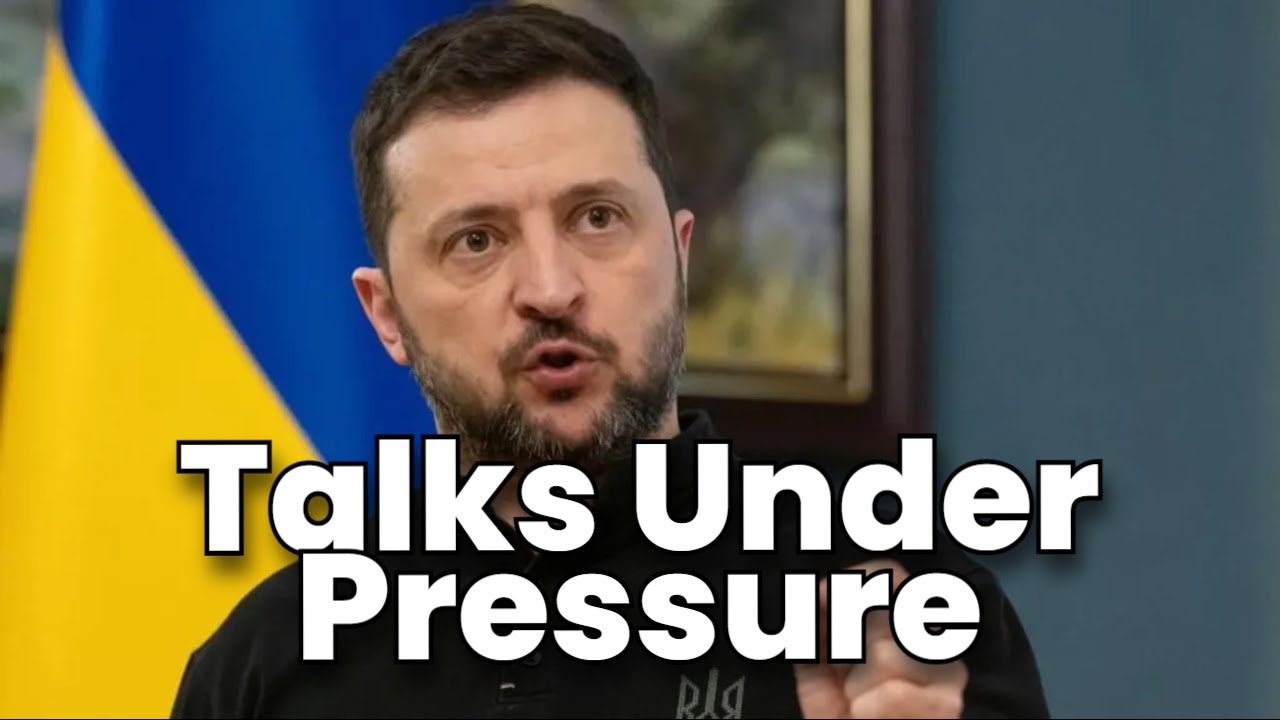
Ukrainian President Zelensky has indicated readiness for potential talks, stating Ukraine is "ready for all options" regarding a possible meeting in Istanbul. He said he is prepared to meet Putin "himself". This stance marks a potential shift in Ukraine's policy, as Zelensky had previously ruled out talks with Putin after Russia's annexations, demanding a full withdrawal and international guarantees first. While Zelensky mentioned that a ceasefire would provide the "necessary basis for diplomacy," he did not explicitly state it as a strict precondition for attending the proposed talks this time, particularly after the U.S. urging.
Turkey has offered to host the potential talks in Istanbul, with President Erdogan supporting the proposal and stating that a comprehensive ceasefire would create the necessary environment for peace talks. China has also voiced support for all efforts toward achieving peace.
However, significant obstacles remain for a lasting peace. Sources highlight deep political grievances, centuries of confrontational history, and a lack of trust between the sides. Russia's core objective is seen as securing long-term influence in Ukraine. The Kremlin's domestic framing of the war makes compromise difficult. Neither side appears poised for a decisive military victory, and the ongoing conflict includes an anticipated deadly Russian summer offensive.
The proposed Istanbul meeting presents a complex diplomatic moment, influenced by competing international pressures, but the fundamental disagreements and lack of a ceasefire mean a clear path to peace remains uncertain.

Информация по комментариям в разработке