The Curious Case of Null Island: Where Longitude Meets Latitude and Data Goes to Die
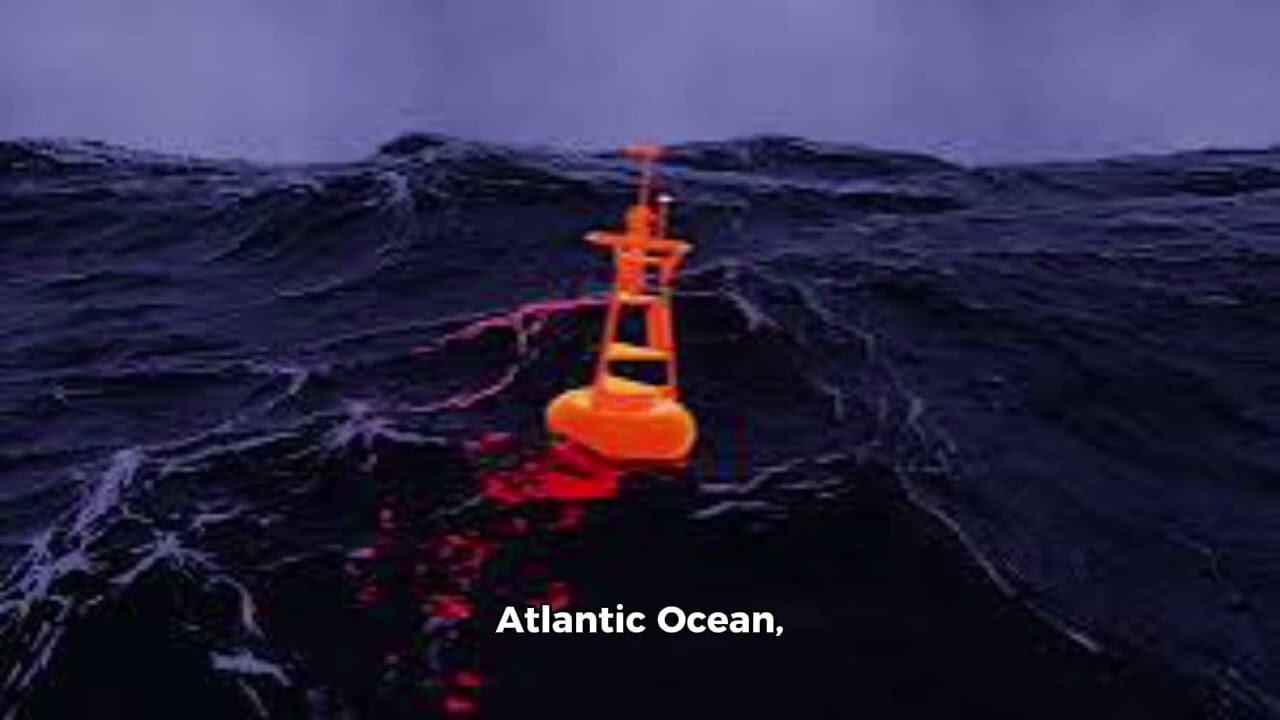
In the vast expanse of the Atlantic Ocean, roughly equidistant from Brazil and the coast of Africa, lies a point of profound cartographic significance, a place both real and unreal, a digital phantom with a tangible presence in the world of data: Null Island. Located at the precise intersection of the equator (0° latitude) and the prime meridian (0° longitude), Null Island isn't an actual landmass.1 It's a buoy, a weather station officially named "Soul Buoy," but it's more widely known for its role as the default location for geocoded data errors.2 It’s a place where digital ghosts congregate, a symbolic island in the sea of information.
The "history" of Null Island, therefore, isn't one of human settlement, exploration, or conquest. It's a history of data management, a reflection of the increasing reliance on digital information in our lives. Its story is interwoven with the development of GIS, GPS technology, the growing volume of location-based data, and the crucial scientific endeavors of organizations like NOAA and the OOI, through initiatives like PIRATA.11 As these technologies have advanced, so has the awareness of Null Island's role as a catch-all for geocoding mistakes.
The common uses of Null Island are almost entirely within the realm of data management and error detection. When large datasets containing geographical information are processed, it's common practice to check for an unusual concentration of data points at 0°N 0°E. A large number of points clustered there is a strong indicator of data quality issues, signaling the need for further investigation and correction. This makes Null Island a valuable tool for data cleansing and quality control in various fields, from urban planning and environmental science to logistics and social science research.
Who “visits” Null Island? Not tourists in the traditional sense. The Soul Buoy is visited by maintenance crews and researchers who service and collect data from the station, contributing to the vital work of PIRATA and the OOI. But in the digital realm, countless data points “visit” Null Island every day. These are the orphaned data points, the ones with missing or incorrect coordinates, temporarily residing at this cartographic limbo until their true locations can be determined. They are the digital inhabitants of this non-existent island, a testament to the challenges of managing vast quantities of data in an increasingly interconnected world.
The story of Null Island is more than just a technical anecdote. It's a reflection of our relationship with data and technology. It highlights the importance of data quality, the challenges of data management, and the unexpected consequences of digital systems. It's a reminder that even in the seemingly precise world of digital information, errors are inevitable, and sometimes, those errors lead to the creation of something unexpectedly fascinating. Null Island, the non-place at the center of the world, serves as a constant reminder of the human element in the digital landscape, a place where data goes to die, and where the very concept of location becomes a playful paradox.

Информация по комментариям в разработке