Logo video2dn
  • Сохранить видео с ютуба
  • Категории
    • Музыка
    • Кино и Анимация
    • Автомобили
    • Животные
    • Спорт
    • Путешествия
    • Игры
    • Люди и Блоги
    • Юмор
    • Развлечения
    • Новости и Политика
    • Howto и Стиль
    • Diy своими руками
    • Образование
    • Наука и Технологии
    • Некоммерческие Организации
  • О сайте

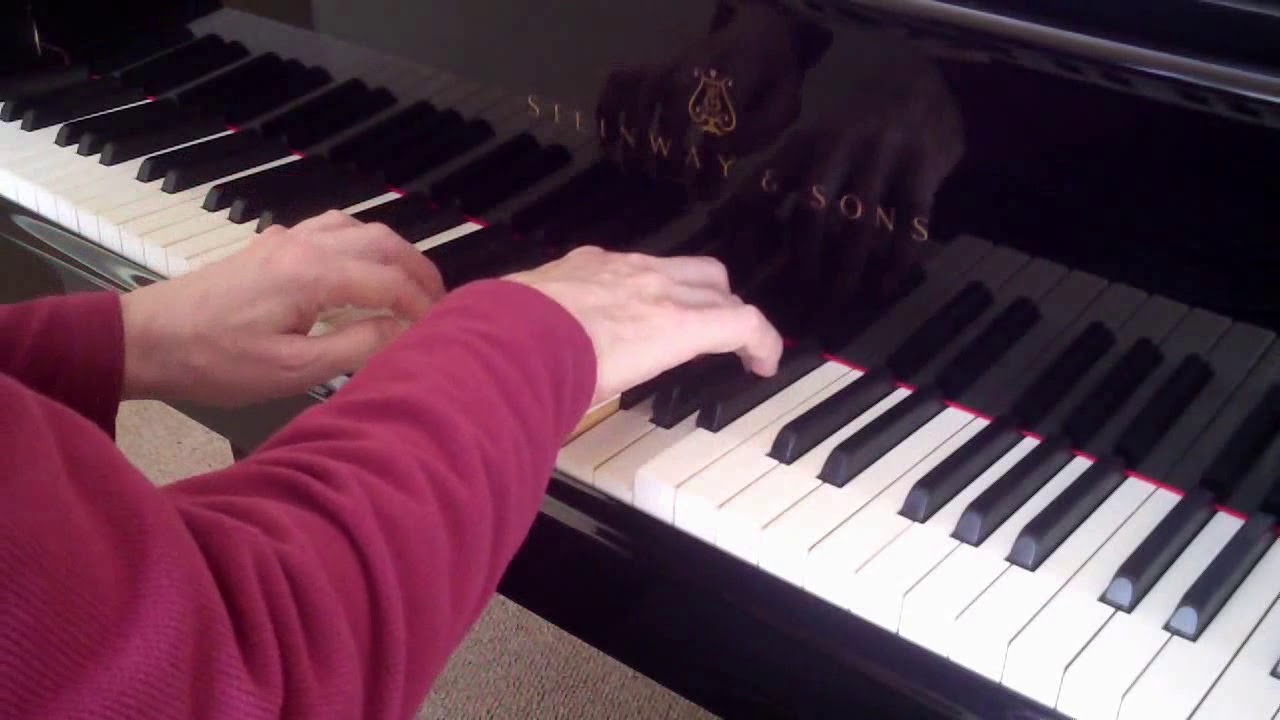
Скачать или смотреть Gerard Hengeveld: 'Melody and Rhythm' (complete) for piano

  • itchy2learn
  • 2020-11-02
  • 1040
Gerard Hengeveld: 'Melody and Rhythm' (complete) for piano
Gerard HengeveldpianoMelody and Rhythm
  • ok logo

Скачать Gerard Hengeveld: 'Melody and Rhythm' (complete) for piano бесплатно в качестве 4к (2к / 1080p)

У нас вы можете скачать бесплатно Gerard Hengeveld: 'Melody and Rhythm' (complete) for piano или посмотреть видео с ютуба в максимальном доступном качестве.

Для скачивания выберите вариант из формы ниже:

  • Информация по загрузке:

Cкачать музыку Gerard Hengeveld: 'Melody and Rhythm' (complete) for piano бесплатно в формате MP3:

Если иконки загрузки не отобразились, ПОЖАЛУЙСТА, НАЖМИТЕ ЗДЕСЬ или обновите страницу
Если у вас возникли трудности с загрузкой, пожалуйста, свяжитесь с нами по контактам, указанным в нижней части страницы.
Спасибо за использование сервиса video2dn.com

Описание к видео Gerard Hengeveld: 'Melody and Rhythm' (complete) for piano

'Melody and Rhythm' is a collection of ten piano pieces in popular styles.

Titles and timings are as follows: 1. Habanera (0:00) 2. Petite valse francaise (0:58) 3. Cha-cha-cha (1:30) 4. English Waltz (2:09) 5. Blues (3:26) 6. Argentijnse tango (4:41) 7. Slow-foxtrot (6:01) 8. Novelty-foxtrot (7:31) 9. Quick fox-trot (8:12) 10. Boogie-woogie (9:18).

Gerard Hengeveld (1910 -2001) was a Dutch composer, editor, teacher and pianist. This collection was published in 1961 at a time when there was very little 'popular' piano music for teaching purposes available, and by 'popular' I mean composed in a jazz, blues, latin or pop style. In fact the concept of 'pop' music didn't really come into existence until around about the time these pieces were published. You can find recordings by my wife of two other pieces by Hengeveld (Barcarolle and Partita Rhythmique) on our sister channel (itchy2345). The Partita mixes Bach's baroque dance forms with jazz elements, while the Barcarolle is in the manner of Faure. Hengeveld is a gifted imitator of different styles.

The model the composer has taken here is presumably Matyas Seiber's 'Easy Dances' and there are many similarities. But there are some significant differences too. Hengeveld's pieces are noticeably more challenging (grades 2+ to 6, with a gradual increase in difficulty), but perhaps more significantly they are linked together compositionally. The opening Habanera uses an arpeggio in the left hand and a rising and falling scalar figure in the right hand. You can find these shapes running through all the pieces. For example, they appear reversed (arpeggio in R.H., scale motif in L.H.) in the fifth piece (Blues). But actually you can find these two elements just about everywhere if you look closely. An additional element is a chromatically descending bass lines (prominent in the fourth and eighth pieces but prefigured in the second piece in the left hand).

Hengeveld is perhaps not quite so interested in playability and there are quite a few places where the piano writing feels a little awkward (compared with Seiber for example). A couple of examples: the left hand part of the 'Quick fox-trot' does not lie easily under the hand; and joining the right hand chords of the 'Slow foxtrot' requires very good pedal technique if you want to keep the walking bass staccato. I found some of his fingering recommendations impractical too, though this is more a matter of personal preference.

Overall, though, it is the quality of the pieces which shines through. They sound as fresh, as full of wit and humour as they did when they were first published sixty years ago. Some have appeared on exam syllabuses in recent years: the Cha-cha-cha was set for Trinity grade 3 a while ago, while the Blues has appeared as an ABRSM grade 5 piece (in 1978) and more recently was set for grade 4.

Комментарии

Информация по комментариям в разработке

Похожие видео

  • О нас
  • Контакты
  • Отказ от ответственности - Disclaimer
  • Условия использования сайта - TOS
  • Политика конфиденциальности

video2dn Copyright © 2023 - 2025

Контакты для правообладателей [email protected]