Here are ten common items that are often carried by bulk carrier ships:
Iron ore: This is one of the most common bulk commodities transported by bulk carrier ships. Iron ore is used to make steel, and large quantities are mined in countries like Australia, Brazil, and China.
Coal: Another common bulk commodity transported by bulk carrier ships, coal is used as a fuel source in power plants and other industrial applications.
Grain: Bulk carrier ships also transport large quantities of grain, including wheat, corn, and soybeans. Grain is an important agricultural commodity and is transported around the world to feed people and livestock.
Minerals: Bulk carrier ships can transport a variety of minerals, including bauxite, copper, nickel, and zinc. These minerals are used in a variety of industrial applications, such as producing aluminum, wiring, and batteries.
Cement: Bulk carrier ships can transport large quantities of cement, which is used in the construction industry to make concrete.
Steel: Finished steel products, such as coils, sheets, and plates, are also transported by bulk carrier ships. These products are used in a variety of industries, including construction, automotive manufacturing, and shipbuilding.
Fertilizers: Bulk carrier ships can transport a variety of fertilizers, including nitrogen, phosphorus, and potassium-based fertilizers. These fertilizers are used in agriculture to improve crop yields.
Salt: Bulk carrier ships can transport salt, which is used in a variety of applications, including food production, water treatment, and road de-icing.
Scrap metal: Scrap metal can be transported by bulk carrier ships for recycling purposes. This helps reduce the environmental impact of metal production by reusing existing materials.
Wood pellets: Bulk carrier ships can transport wood pellets, which are used as a renewable energy source in power plants. Wood pellets are made from compressed sawdust and other wood waste products.
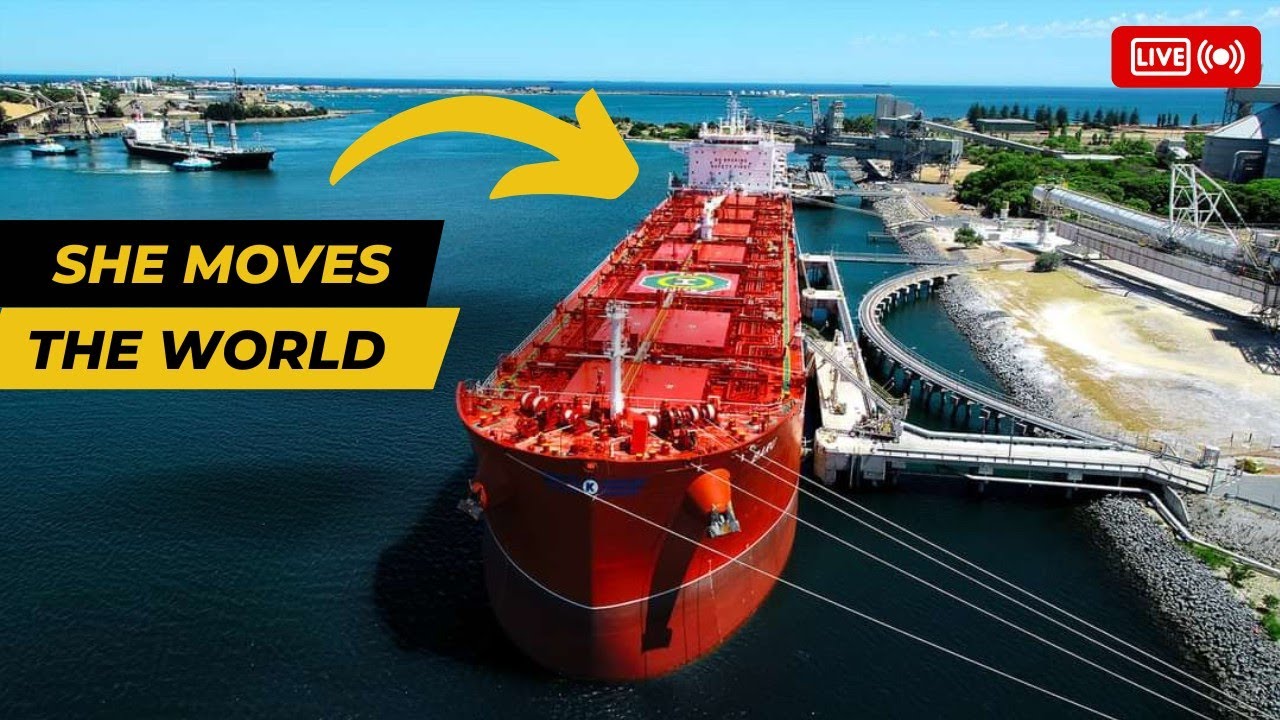
Bulk carrier ships are a vital part of the global shipping industry and are used to transport large quantities of dry bulk commodities around the world. These ships are designed to carry unpackaged cargo such as minerals, grains, and ores, which are loaded through large hatches on the top of the ship. The cargo is then transported in the ship's holds, which are divided into compartments by bulkheads. The cargo is unloaded using large cranes at the port of destination. The size and design of bulk carrier ships vary depending on the type of cargo they carry and the trade routes they serve.

Информация по комментариям в разработке