Logo video2dn
  • Сохранить видео с ютуба
  • Категории
    • Музыка
    • Кино и Анимация
    • Автомобили
    • Животные
    • Спорт
    • Путешествия
    • Игры
    • Люди и Блоги
    • Юмор
    • Развлечения
    • Новости и Политика
    • Howto и Стиль
    • Diy своими руками
    • Образование
    • Наука и Технологии
    • Некоммерческие Организации
  • О сайте

Скачать или смотреть Wildlife and toxic pollutants - Part 3 | Science in Action

  • Environment and Climate Change Canada
  • 2018-10-03
  • 1167
Wildlife and toxic pollutants - Part 3 | Science in Action
Mikisew Cree First NationAthabasca Chipewyan First NationPhil ThomasscienceEnvironment and Climate Change CanadawildlifeFort ChipewyanOil SandsAlbertaECCCIndigenous
  • ok logo

Скачать Wildlife and toxic pollutants - Part 3 | Science in Action бесплатно в качестве 4к (2к / 1080p)

У нас вы можете скачать бесплатно Wildlife and toxic pollutants - Part 3 | Science in Action или посмотреть видео с ютуба в максимальном доступном качестве.

Для скачивания выберите вариант из формы ниже:

  • Информация по загрузке:

Cкачать музыку Wildlife and toxic pollutants - Part 3 | Science in Action бесплатно в формате MP3:

Если иконки загрузки не отобразились, ПОЖАЛУЙСТА, НАЖМИТЕ ЗДЕСЬ или обновите страницу
Если у вас возникли трудности с загрузкой, пожалуйста, свяжитесь с нами по контактам, указанным в нижней части страницы.
Спасибо за использование сервиса video2dn.com

Описание к видео Wildlife and toxic pollutants - Part 3 | Science in Action

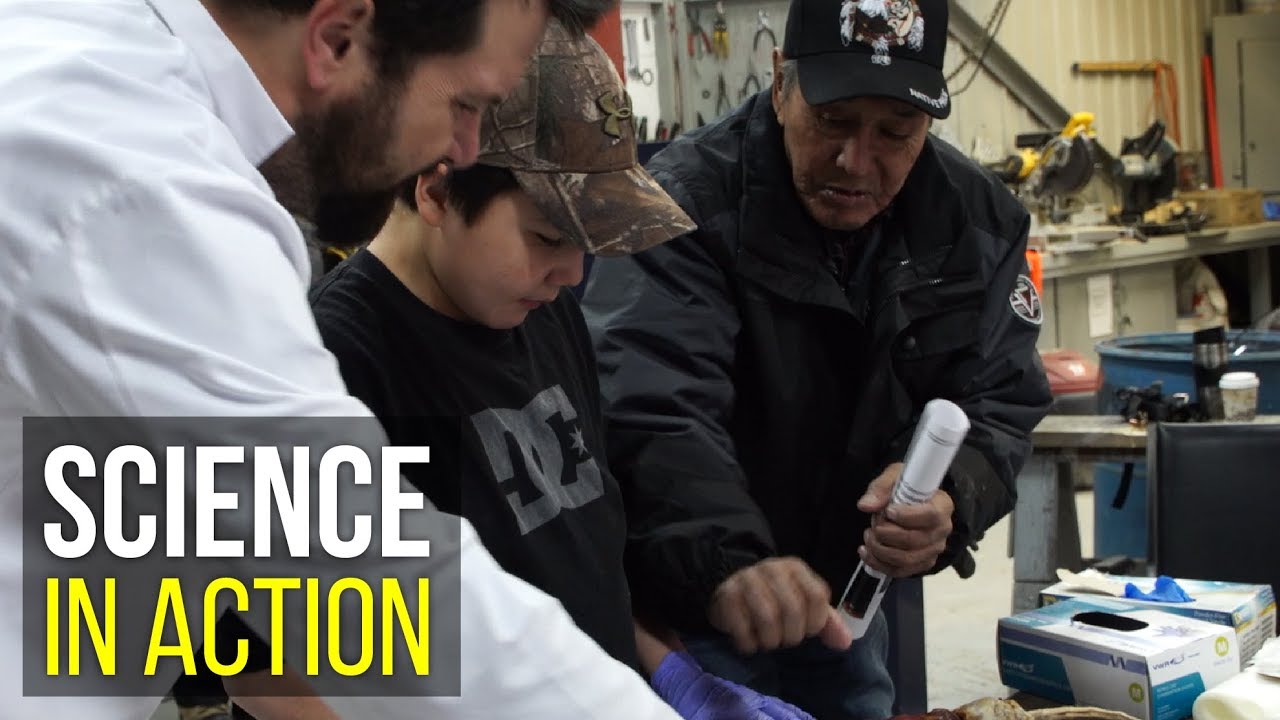
Sharing knowledge and involving youth in studying river otters as indicators of ecosystem health as part of the oil sands monitoring program. Part 3 of a 5 part series where wildlife toxicologist Phil Thomas works with the Mikisew Cree and Athabasca Chipewyan First Nations in northern Alberta as they bring together Indigenous knowledge and western science to study the health of local wildlife.

Watch the rest of this series:
Part 1:    • Wildlife and toxic pollutants - Part 1 | S...  
Part 2:    • Wildlife and toxic pollutants - Part 2 | S...  
Part 3:    • Wildlife and toxic pollutants - Part 3 | S...  
Part 4:    • Wildlife and toxic pollutants - Part 4 | S...  
Part 5:    • Wildlife and toxic pollutants - Part 5 | S...  


* * * * Transcript * * * * *

PHIL THOMAS (wildlife toxicologist): Today, we’re in Fort Chipewyan, Alberta. We’re working with the local communities and doing dissections of some of the samples that were collected on the land by traditional land-users.
So the work that we do is part of the oil sands monitoring program, and it feeds into Environment and Climate Canada’s mandate to protect Canadians and the environment from the threats of chemical pollution.
Today, we’ll be working on the river otters as river otters are good bio-indicators of ecosystem health, being closely related to the water, eating a lot of fish.
And at the same time, we’re bringing in the youth that will share the experience with us, get their hands dirty.
So you’ll hold it and you’ll take your scalpel . . .
Pull away without the casings but super gently. Hold it there and then start cutting away at it, carve it up . . .
Like this?
Yes, that’s perfect.
Sharing knowledge, both from an elder and a youth perspective, on some of the changes that they see and also sharing the Western science knowledge: what we do, why we do it, some of the skills that we have. We love training. A lot of these community-based monitors can carry out the work.
So why do we collect livers? Because whatever you eat is digested into your stomach, it’s sent to your small intestines, it’s mixed with acids at that point and then, from there, the little blood vessels in the intestinal wall, they come and absorb all of the good stuff out of the food, and then it’s sent to your liver, and the liver will basically filter out the bad stuff and keep only the good stuff. So we look at liver because it’s a filter organ. So it really filters the blood, takes all of the bad stuff out and this is where we find it.
It’s a win-win situation. There’s no one that’s better equipped at doing these collections and processing these samples than the people that live off the land. So by training them and giving them access to these skills, then we build these partnerships and these collaborations that are really successful in helping us ensure that the work we do is meaningful.
Learn more in part 4, as Phil Thomas heads back to his lab in Ottawa to process the samples collected for his research and see how the results are stacking up.
This video series was made possible through funding from the Oil Sands Monitoring Program and was produced in collaboration with the Mikisew Cree and Athabasca Chipewyan First Nations.

Комментарии

Информация по комментариям в разработке

Похожие видео

  • О нас
  • Контакты
  • Отказ от ответственности - Disclaimer
  • Условия использования сайта - TOS
  • Политика конфиденциальности

video2dn Copyright © 2023 - 2025

Контакты для правообладателей [email protected]