The current focus of discussion revolves around the numerous military coups in West and Central Africa. However, it is crucial to recognize that the issue isn't solely attributed to the concept of democracy or the type of government in place, as it has proven successful in Western nations. Let's delve deeper into the subject, particularly regarding military coups in Africa.
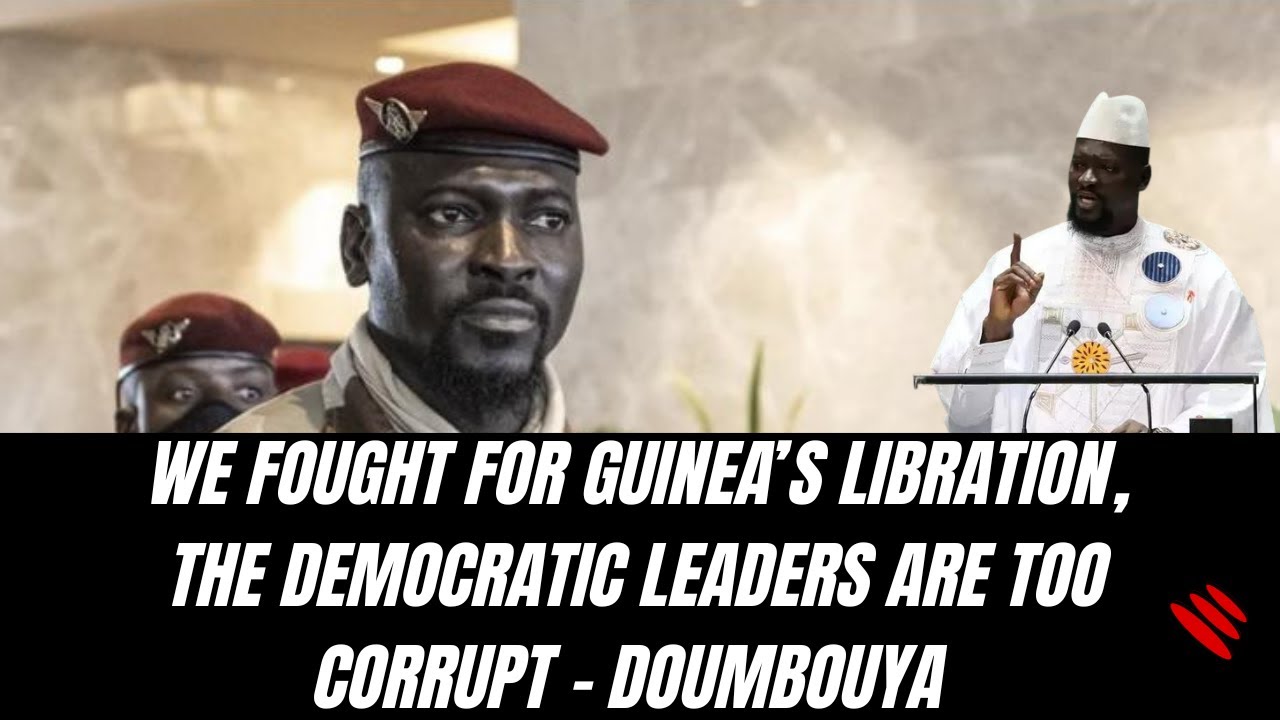
Doumbouya's observations hold merit. Many politicians engage in various misconducts, behaviors that would appall military personnel in a regime. These politicians do not don military attire, but rather, they function within a democratic or civil system, ostensibly elected by the people. In Western countries, these transgressions often go unsanctioned, regardless of their severity. This paradox underscores a significant problem.
In a democratic or civil system, established rules govern the entire process, outlining what is permissible and what is not. Each branch of government's powers are delineated to prevent overreach. However, in practice, politicians, especially those in executive roles, often act as if they were monarchs rather than adhering to democratic principles.
One of the critical issues in Africa is politicians amending laws to prolong their time in power. This tendency reflects a belief that power must revolve around them, that they alone possess the capabilities to benefit the nation. Most constitutions include term limits for executive positions because unchecked power can lead to corruption. Even if a country amends its constitution to accommodate longer terms, current officeholders, including governors and the President, should not benefit from this change. The law did not exist when they assumed power, and allowing them to benefit would likely perpetuate their rule at the expense of democratic principles.
This brings us to the case of Paul Kagame, the President of Rwanda, who recently declared his intention to seek a fourth term despite being in power since 2000. Regardless of the reforms and development he has brought to Rwanda, it should not qualify him for perpetual office. The focus should be on robust institutions that outlast individual leaders, similar to Western democracies where the longevity of democratic systems can be attributed to strong institutions.
African politicians often overtly prioritize personal gain over serving the public, which leads to desperate and often unethical behaviors during elections. For instance, the presidential election in Nigeria on February 25th, 2023, resulted in over 70 casualties, a number higher than the combined casualties from eight military coups in Africa since 2020. This underscores the extent to which politicians are driven by self-interest, which impedes progress.
In summary, the issue with democracy in Africa does not lie in the concept itself but rather in its implementation by lawless leaders. The root problem is that many African leaders are selfish and disregard national interests. Contrastingly, India, with a population exceeding 1.4 billion, has successfully conducted free and fair elections due to adherence to rules and principles. Africa's challenge lies in its lawless leadership.
To address this issue, countries with successful military takeovers should consider banning politicians who have held office for more than 20 years from future elections. Additionally, reducing the powers of political officeholders would make the positions less attractive, ensuring that only those genuinely dedicated to serving the people seek office. Salary adjustments, such as setting political officeholders' pay at the minimum wage, could reduce the incentives for financial gain through politics.
African countries have shown a willingness to take control of their destinies, as seen in the rejection of French influence in Francophone nations. Corruption fosters inequality, crime, and social instability, making it imperative to combat corruption to achieve progress. African countries must collaborate and prioritize the welfare of their citizens over personal gain to uplift their nations and ensure growth.

Информация по комментариям в разработке